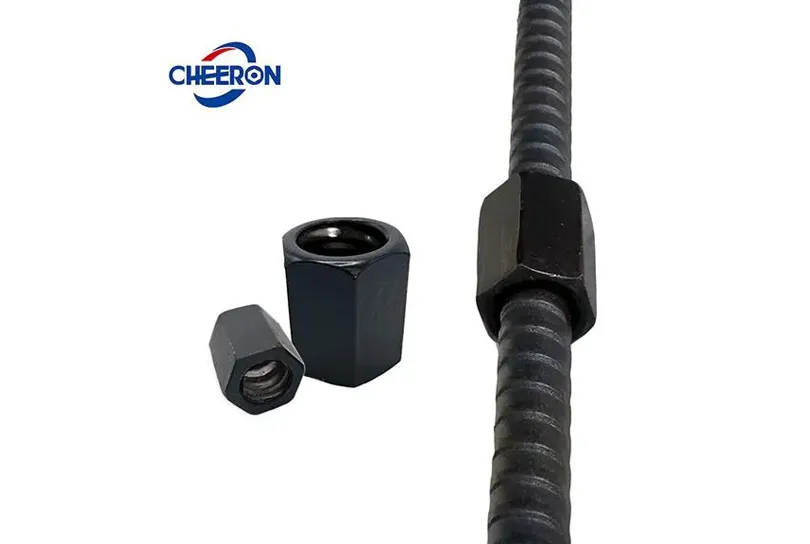
Among the many methods of rebar splices, mechanical connectors (rebar couplers) are widely used due to their high efficiency, reliability, and economy.
As one of the critical factors affecting structural safety, selecting the right rebar connector can create stronger structures, accelerate construction schedules, and reduce long-term costs — which is essential for the success of modern buildings.
In this article, we will explain in detail how to choose the appropriate rebar coupler.
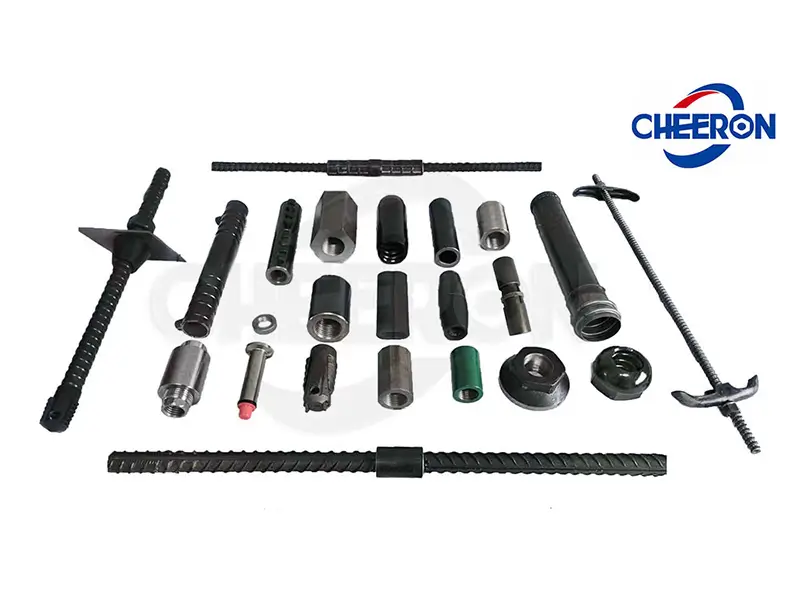
Different steelbar connection methods have their own advantages and disadvantages in terms of strength, ductility, seismic performance, construction speed, and economy. Therefore, selection and optimization need to be based on actual construction conditions.
Mechanical splices mainly include three types:
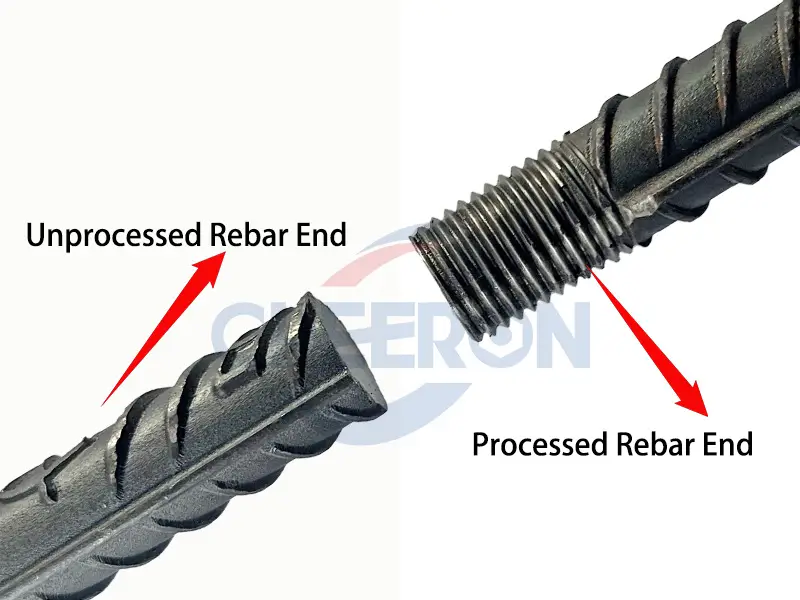
1.Unprocessed Rebar Ends
2.Processed Rebar Ends
3.Composite Rebar Joints
The characteristics and applications of these rebar splices methods will be discussed in detail below.
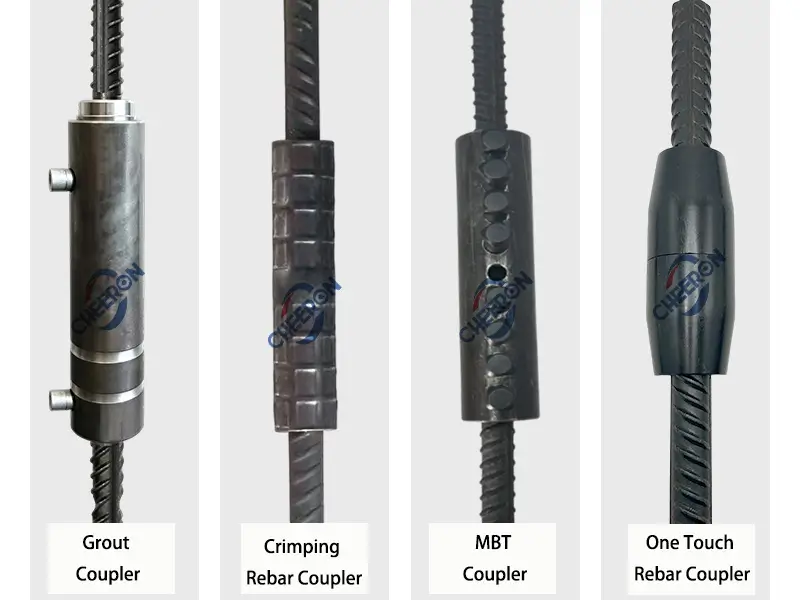
The shear bolt couplers use the preload of bolts to tightly connect the rebar to the rebar sleeve.
Ideal for fixed locations, confined spaces, or maintenance where rotation is not possible.
The rebar splices inject grout into the sleeve, creating an integrated connection between the rebar and the sleeve.
Best suited for precast concrete joints or connecting precast components to cast-in-place components.
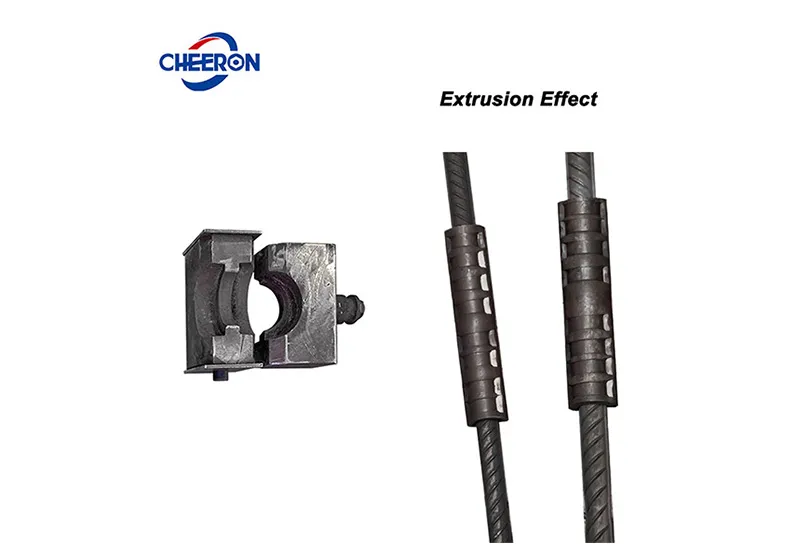
The rebar couplers use a hydraulic press to compress the rebar and sleeve, achieving a tight connection.
Suitable for heavy-duty or special seismic-resistant areas.
The 1 touch coupler use a self-locking device to secure the rebar, enabling quick end-to-end connection.
Suitable for projects with tight deadlines.
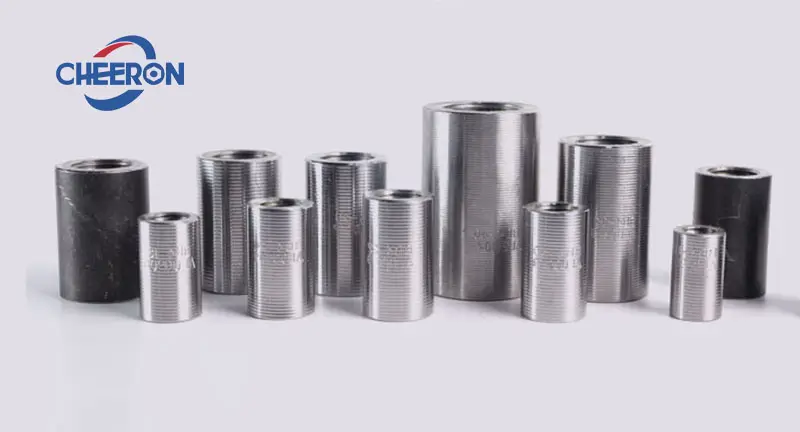
Taper thread coupler, forging coupler, and straight thread couplers.
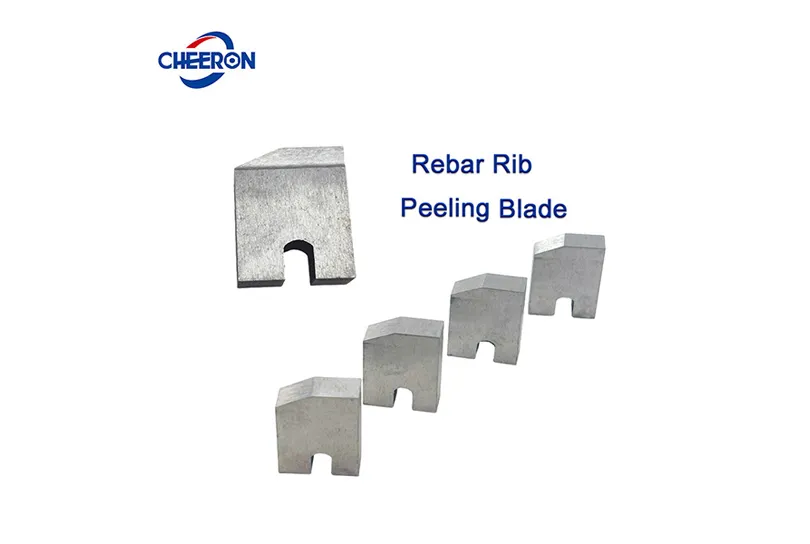
These connection methods require specific processing of the rebar ends, such as cutting, upsetting, and rolling, to form a specific connection structure.
achieve a screw-in connection of the rebars through a tapered thread structure.
achieve a screw-in connection with a sleeve by upsetting and cutting the rebar ends to form straight threads.
use a rolling process to form straight threads at the rebar ends.
These threaded couplers are ideally suited for columns, walls, and vertical rebar in mid- to high-rise buildings because pre-planning allows for pre-processing in the factory, balancing economy and safety, which makes them perform excellently in practical applications.
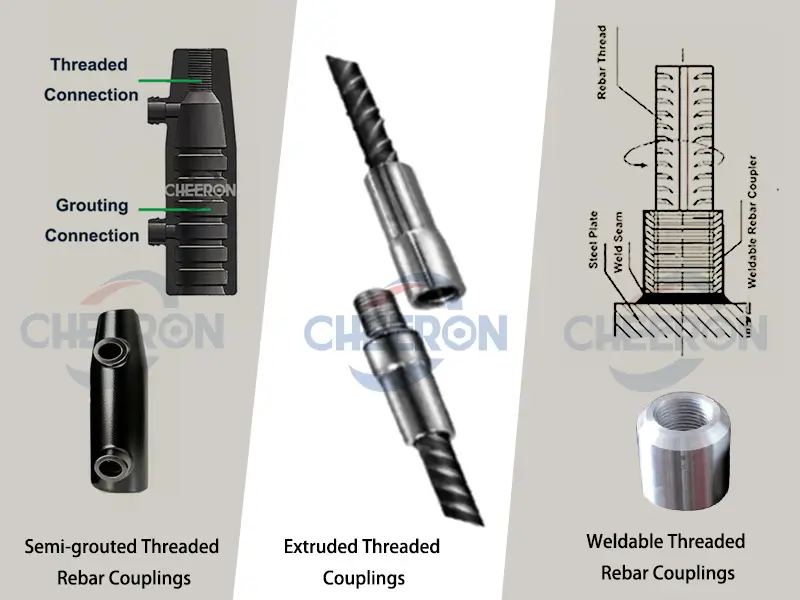
Composite couplers combine two or more connection methods to achieve better connection resultsCommon composite joints include semi-grouted threaded rebar couplings, semi-extruded threaded couplings, and semi-welded threaded couplings.
Combining the advantages of threaded and grouted connections. By injecting grout into the sleeve, the strength and reliability of the connection are improved.
They are often used in prefabricated housing projects.
Combining sleeve extrusion and threaded connections. Through the dual action of extrusion deformation and thread engagement, a tight connection of the rebar is achieved.
They are often used in the continuation of existing buildings.
Utilizing welding technology to weld the sleeve to a steel plate. The other end of the sleeve achieves a tight connection with the rebar through a threaded connection.
They are often used in steel structure projects.
Therefore, when selecting a mechanical connection method for rebar, it is necessary to comprehensively consider the specific project requirements, construction conditions, and material properties.
When rebar ends are pre-threaded at the fabrication yard, the unit price is lower. However, they require careful advance planning.
Shear-bolt couplers (MBT Couplers) have a higher unit price, typically 20-50% more than threaded types, due to their simple structure. Nevertheless, they can significantly save on labor and installation time since no bar-end preparation is needed.
Grouted sleeve couplers fall in the mid-price range. While they add the cost of high-strength grout material, they are highly effective in improving precast construction efficiency.
Extruded (cold-swaged) couplers require investment in hydraulic pressing equipment, but they deliver excellent performance and high efficiency.
Quick-connect couplers tend to have higher costs and weaker cost-effectiveness, but their extremely fast installation speed can noticeably reduce overall project construction time.
Composite couplers generally fall between different connection methods, combining the economy of threaded systems with additional cost factors from welding, grouting, extrusion, or bolting.
| Rebar Couplers Types | Installation Difficulty | Rebar Processing | Characteristics | Construction Speed | Economy | Usage |
Bolt Couplers | Medium | NO | Requires bolt tightening | Medium | Medium | Most |
Grout Coupler | Difficult | NO | Requires grouting material | Slow | Medium | Precast components |
| Crimping Coupler | Medium | NO | Requires extrusion machine | Medium | Good | Most |
One Touch Couplers | Very Easy | NO | Direct installation | Extremely Fast | Medium | Projects with high time sensitivity |
| Thread Coupler | Easy | YES | Threaded connection | Fast | Good | Most |
Composite Joints | Medium | YES | Requires welding/grouting/extrusion fitting threaded connection | Determined based on different types | Good | Applicable scenarios are relatively specific |
Selecting the right supplier is crucial when purchasing rebar connectors. Here are the key factors to consider:
Purchasing in bulk directly from the manufacturer can further reduce costs. Manufacturers typically offer project customization, fast delivery, and more competitive pricing compared to traders.
CHEERON, as a professional manufacturer of rebar connectors and seamless steel pipes, achieves full in-house production from raw steel pipes to finished couplers. This vertical integration allows us to minimize production costs while maintaining strict quality control from the source, delivering greater convenience and economy to our customers.
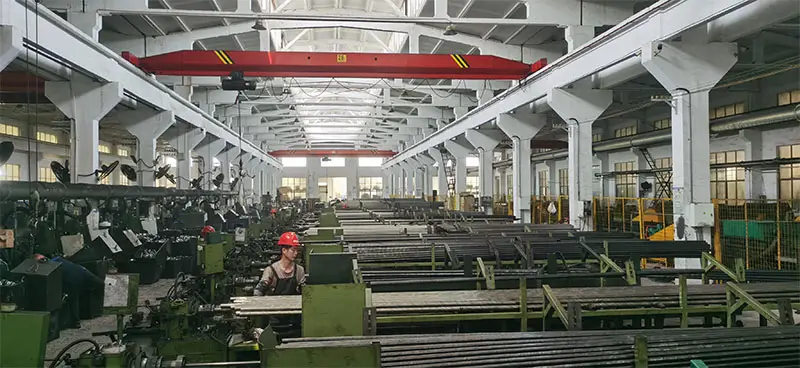
It is important to select a brand with a proven reputation and reliable delivery capability.
CHEERON has established a solid customer base across Southeast Asia, the Middle East, Central Asia, and South America, earning an excellent reputation in the industry. All our products come with a 1-year after-sales service. In case of any quality issues, we provide free replacement. We also offer detailed technical support for installation and usage of rebar connectors.
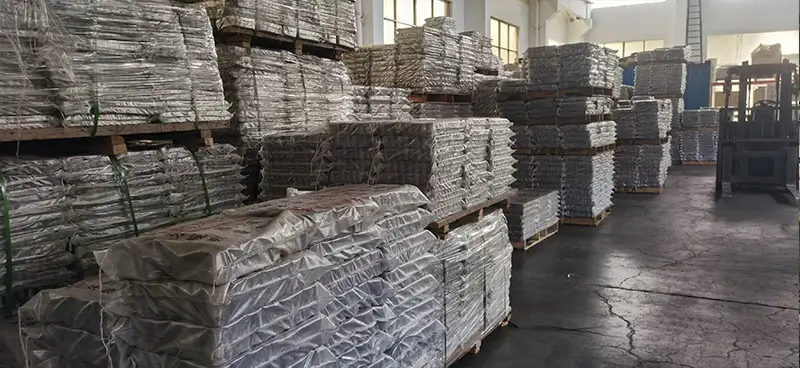
Compliant rebar connectors must be supported by reliable test data that meets the following standards:
- ACI 318 Compliance:
Type 1 couplers (125% of rebar yield strength) for general applications;
Type 2 couplers (full tensile strength of the rebar) for seismic or high-ductility zones.
Cheeron rebar couplers meet Type II standards, with connector strength reaching 100% of the rebar's ultimate tensile strength and 125% of its yield strength.
- ISO 9001 Certification and factory test reports confirming material quality and performance.
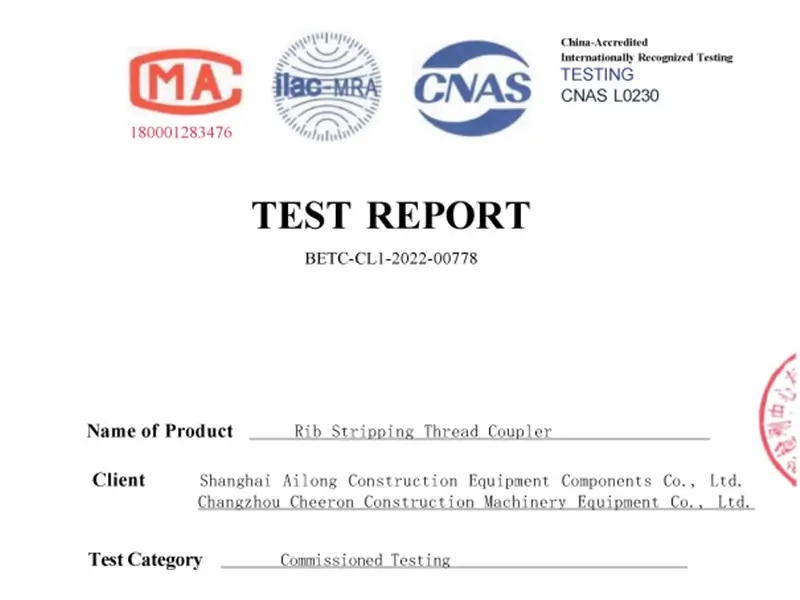
Independent tensile, fatigue, and cyclic loading test reports from accredited third-party laboratories are essential. Third-party verification ensures every splice meets or exceeds code requirements.
Cheeron provides complete, internationally recognized laboratory test reports for all rebar connectors currently offered for sale.
Click to learn about the top 10 rebar coupler manufacturers
Choosing the right rebar connector requires striking a balance between performance, cost, ease of installation,and Manufacturers
Still unsure how to choose the right rebar connector for your project? Contact CHEERON, and we'll provide you with an economical and efficient rebar connection solution.