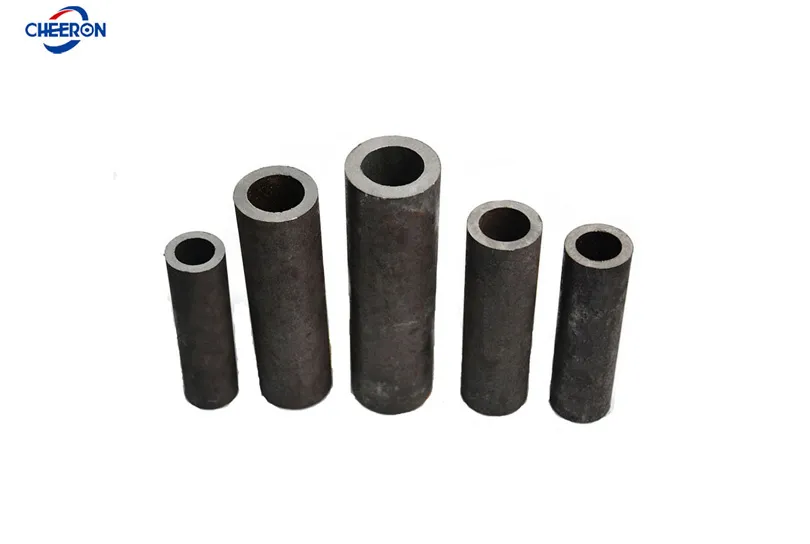
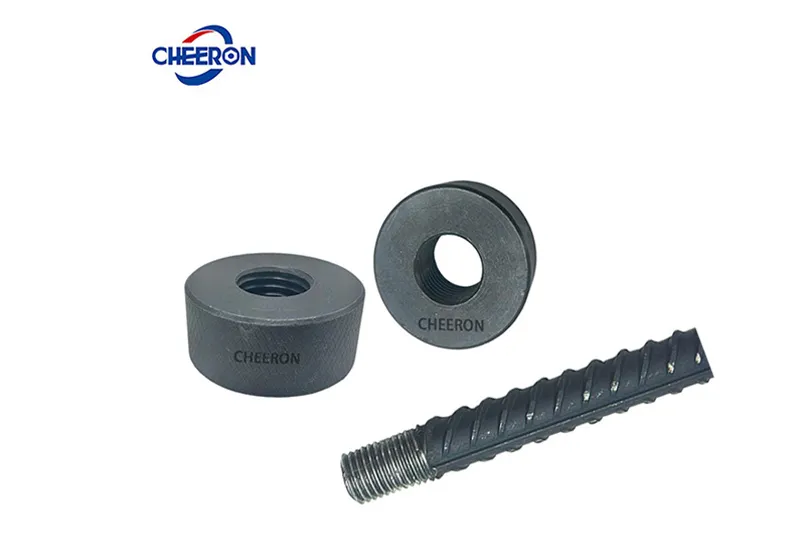
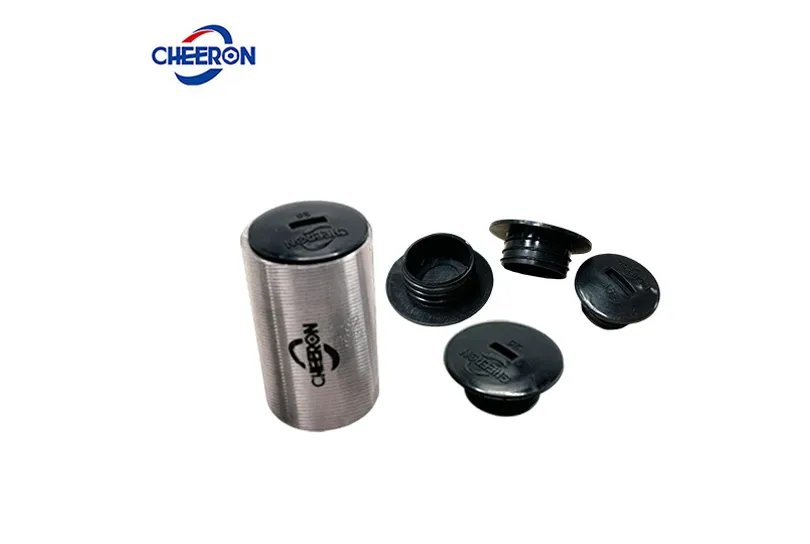
Rebar couplers are commonly used in construction projects, but various issues can arise during actual installation.
In this article, Cheeron's experts will discuss the location of rebar couplers, thread processing standards, the importance of torque, and concrete thickness to help you solve rebar couplings installation and usage challenges.
Choosing the optimal location for rebar connectors is crucial for structural integrity. The placement of rebar splices depends on the specific construction scenario and cannot be generalized.
It refers to the area centered on the beam-column joint (the intersection of the beam and column axes) and extending outward to the zone where stirrups are densely concentrated.
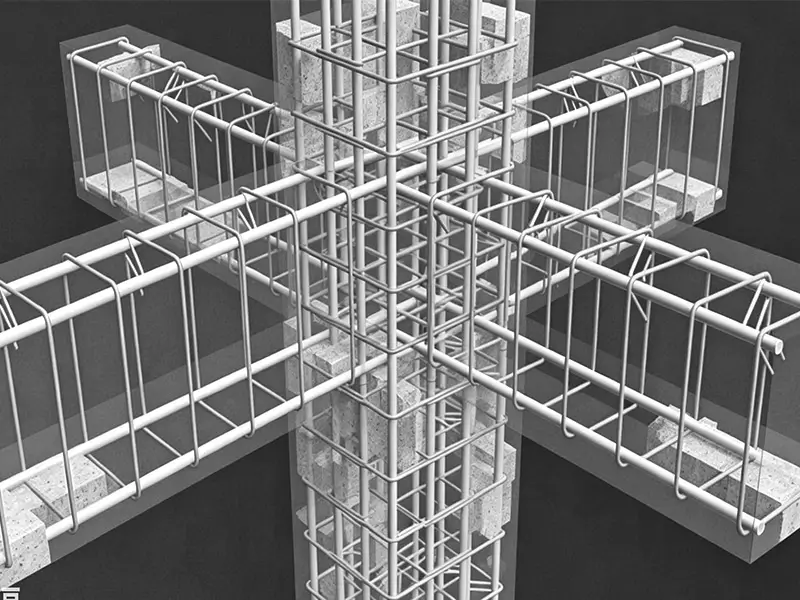
Most experts agree: Install couplers only in areas with low bending moments and away from high-stress zones such as beam-column joints or mid-span of slabs.
However, this is not absolute.
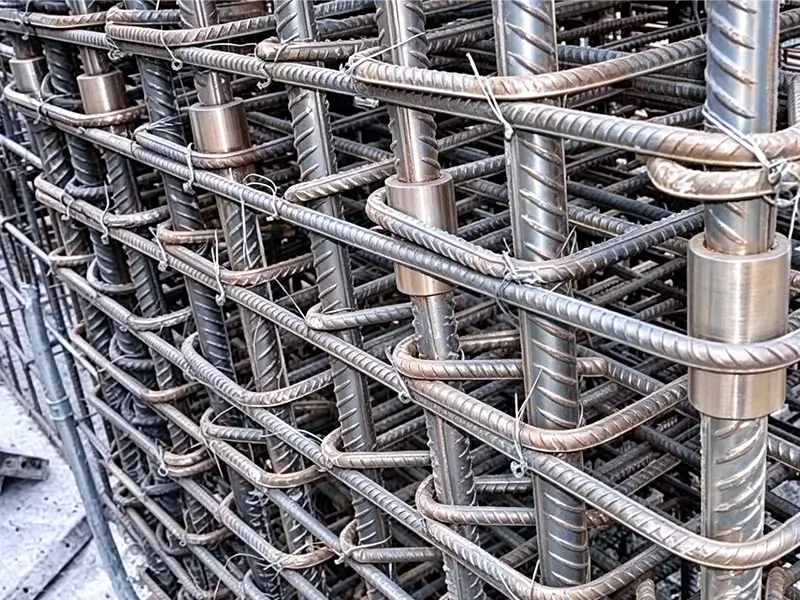
In construction projects, many large-scale projects feature columns with floor heights exceeding 10 meters and beams spanning tens of meters. The standard size for large-diameter steel reinforcement is 9-12 meters. Avoiding the densely reinforced zone according to the connection locations specified in the drawings is impossible.
Therefore, when avoiding the densely reinforced zone is unavoidable, steel splices can be used because this connection method is more reliable than lap splices and welding.
Of course, to minimize the impact on the project, a reliable type 2 rebar splice specification must be adopted, while limiting the splice area percentage to no more than 50%.
Ensure connectors are staggered by at least 50% of the bar diameter between adjacent bars to prevent congestion and maintain concrete flow.
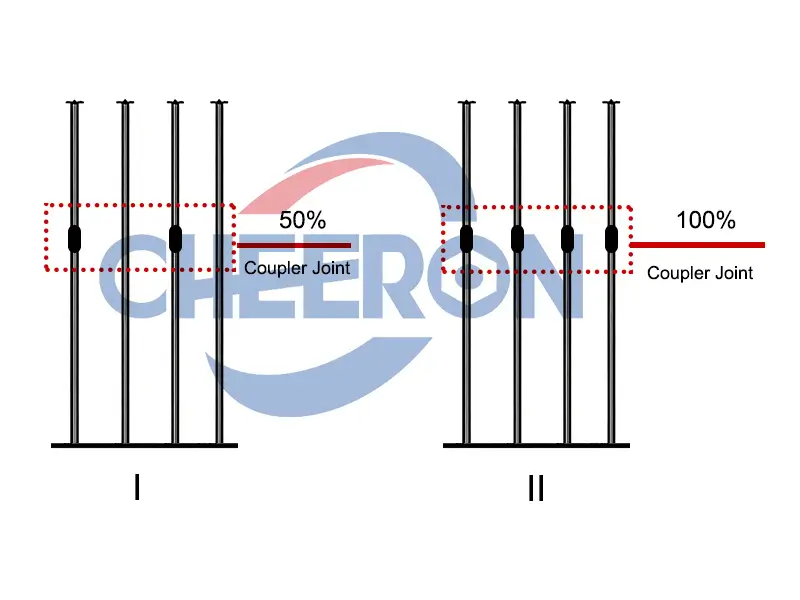
Therefore, choosing appropriate rebar connector locations, and whether splices can be used at any location, requires assessing whether avoiding the densely reinforced zone is impossible due to site conditions.
In short: Rebar couplers should ideally avoid the core reinforcement zone at beam and column ends. If avoiding the core zone is not possible, using Type 2 rebar couplers and coupler joints accounting for less than 50% of the total area is preferable.
Mechanical splices must always be installed according to the connection locations specified in the engineering drawings and local specifications (such as ACI 318).
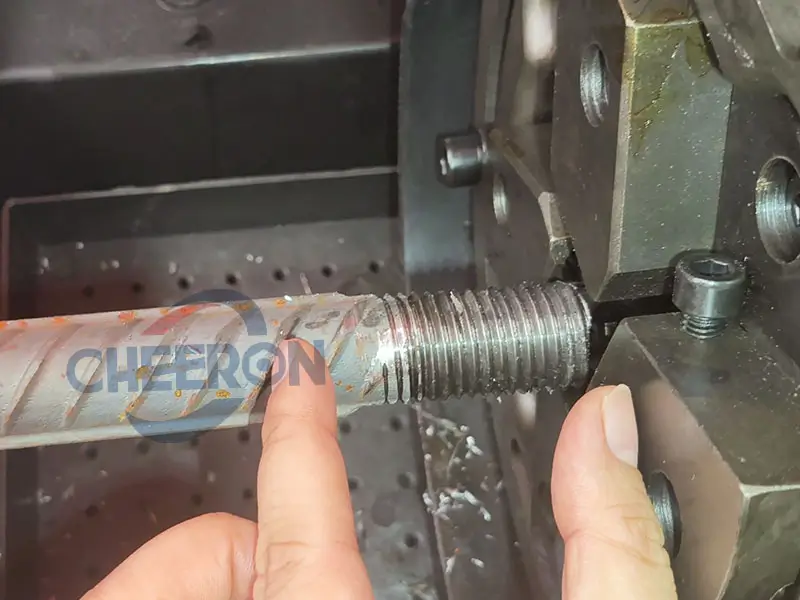
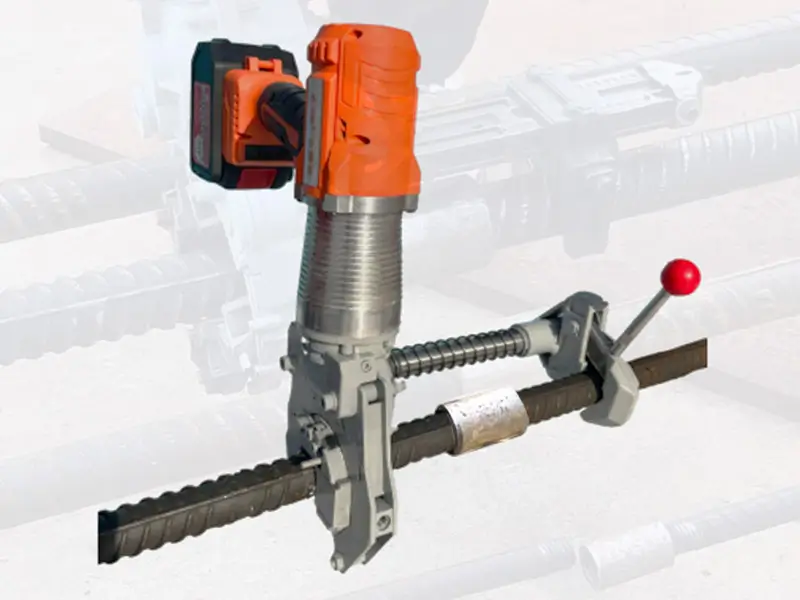
The threading of the rebar ends must be precise to ensure a secure mechanical splice.Use rebar thread rolling machine to produce clean, full-length threads that conform to connector specifications.
Before threading, the cutting end should be smooth and burr-free.
After clamping the rebar, operate the handle to remove the ribs and complete the threading; the rebar thread rolling machine will automatically stop and rotate back.
The thread length must conform to the manufacturer's specified tolerances—typically 1.5 to 2 times the rebar diameter. Threads that are too long or too short may result in insufficient connection strength or connector slippage.

The primary measuring tool for rebar threads is the go/no-go gauge.
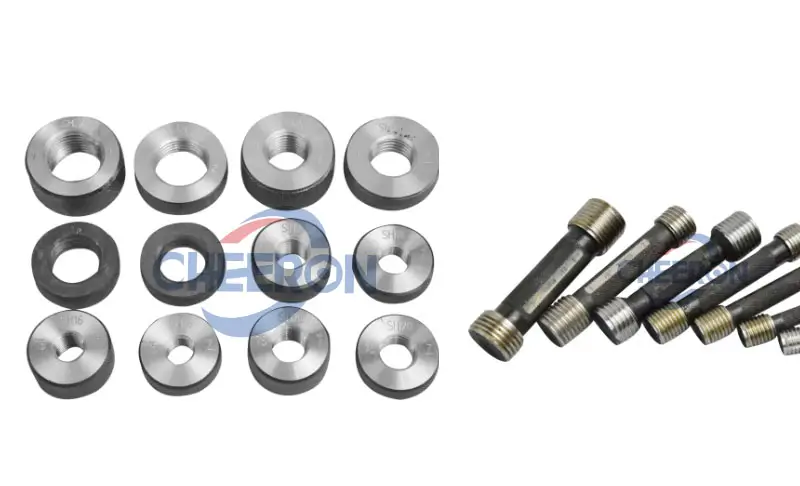
The go gauge should screw smoothly into the entire effective length, and the no-go gauge should not screw in more than three thread pitches.
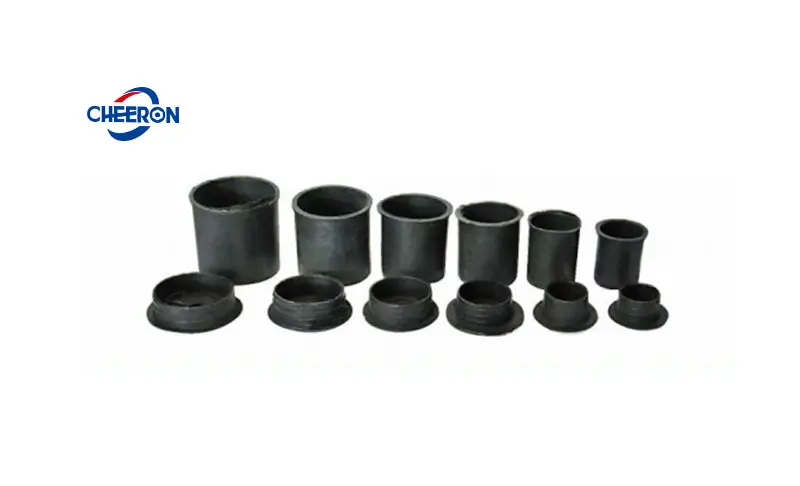
After passing inspection, place protective caps on the rebar thread and stack them according to their type.
Correct tightening/torque is crucial for load transfer.
The coupler's function is to transfer the full tension of the rebar joint to the other side; therefore, proper tightening is necessary to provide sufficient friction for force transmission.
Improper torque can lead to rebar connector failure and reduced performance.
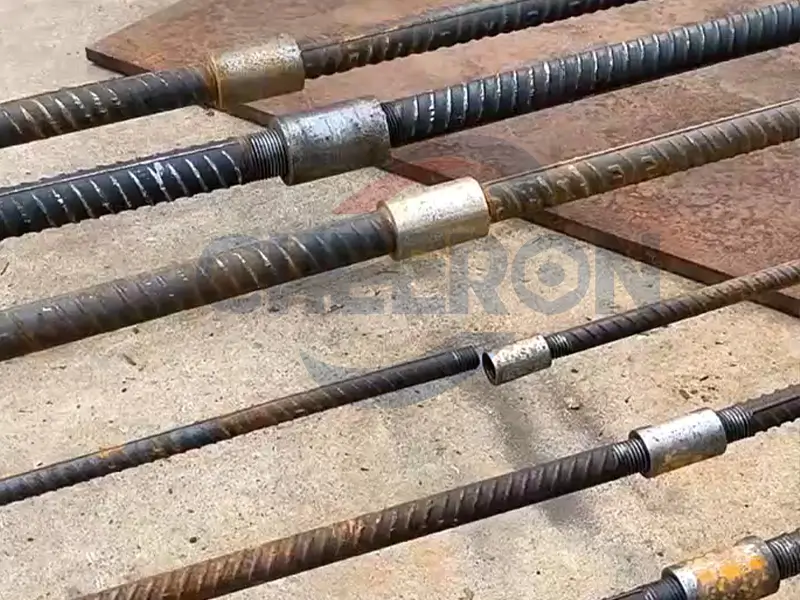
Many people experience thread stripping during practical application and conclude that the rebar coupler connection is not secure. This is due to over-tightening by not setting the correct torque.
Therefore, avoid over-tightening. Prevent excessive torque values from damaging the threads or rebar, causing thread stripping.
Many people believe that regardless of tightening, concrete will be poured later to fill the gaps between the rebar and the connector, making tightening unnecessary.
However, the fact is that although the rebar connector will be encased in concrete after pouring, it cannot compensate for insufficient torque, which will create safety hazards for the engineering structure. Therefore, avoiding insufficient torque is a crucial factor in strengthening reinforced concrete structures.
1. First, unscrew the protective caps on the rebar threads. When connecting, the connector must be horizontally aligned with the rebar, and initially tighten by hand.
2. Using a calibrated torque wrench or other suitable tools, firmly connect the rebar to the sleeve and tighten it completely.
Note that tightening must be performed according to the manufacturer's recommended torque value (typically 80–500 Nm, depending on the rebar size and connector type).
| Rebar Diameter/mm | 12-14 | 16 | 18-20 | 22-25 | 28-32 | 36-40 | 50 |
| Tightening Torque/(N m) | 80 | 100 | 200 | 260 | 320 | 360 | 460 |
3. Conduct a quality inspection of the tightening torque of the joint.
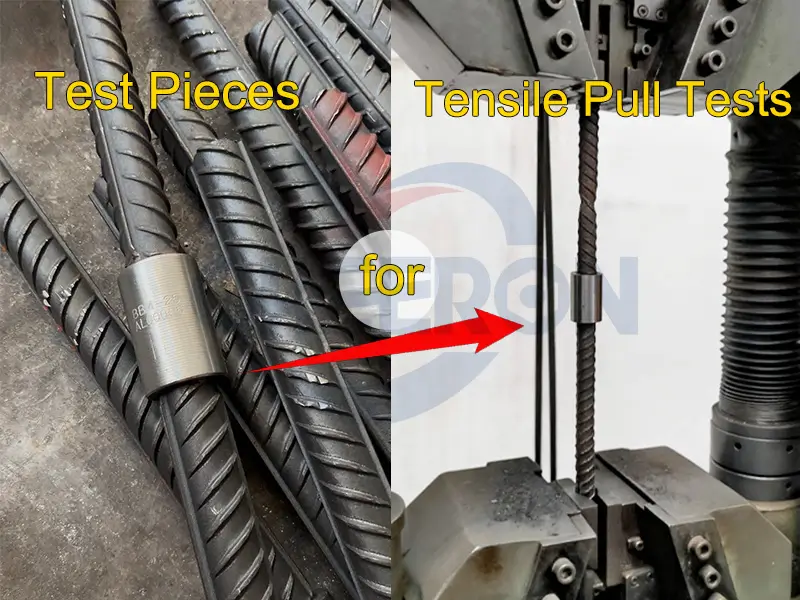
Mark the joints and conduct tensile pull tests on some joints (test pieces) to verify whether the strength exceeds 125% of the yield strength of the steel reinforcement.
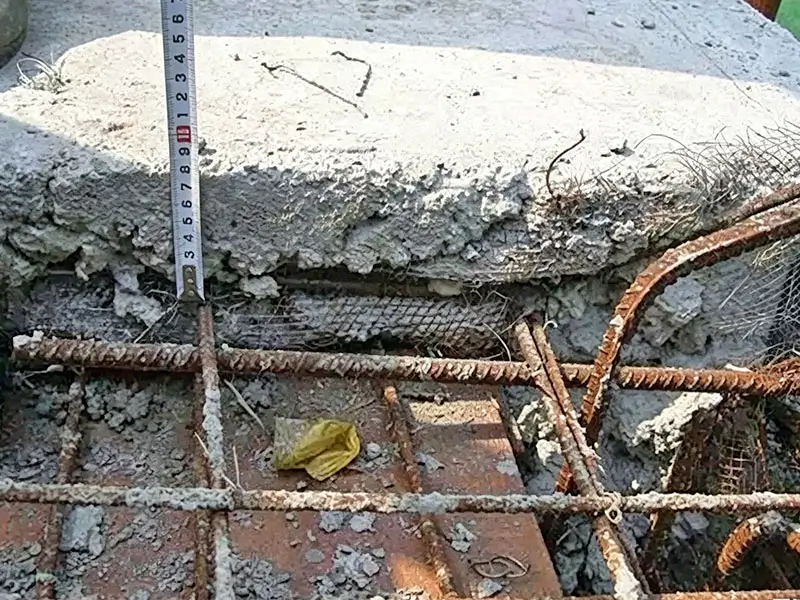
The concrete cover is the distance from the outermost edge of the outermost reinforcing steel bar to the concrete surface,which improves the durability of the structure.
In actual construction, reasonable adjustments need to be made based on specific engineering design requirements, environmental conditions, and local regulations.Simultaneously, vibration treatment is required around the rebar joint to eliminate voids.
Paying attention to these issues ensures that the rebar connector can play its vital role in protecting the rebar connection joint, minimizing the risk of structural failure, and ensuring compliance with international standards.