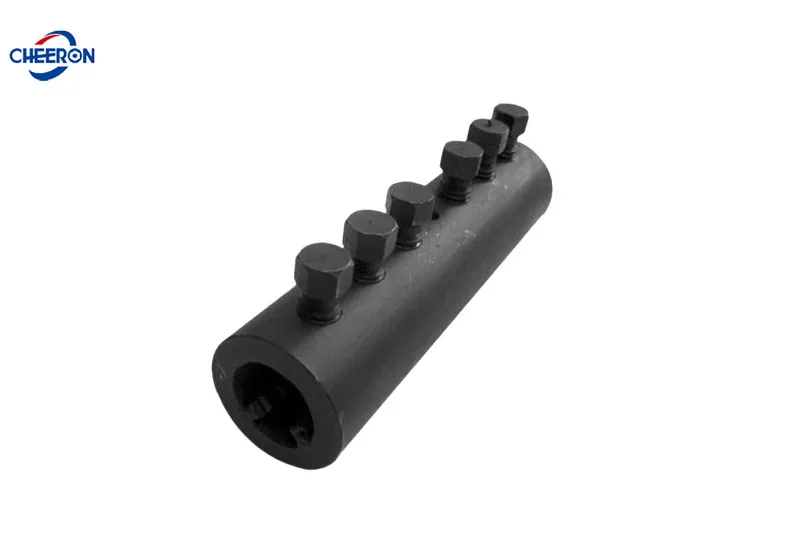
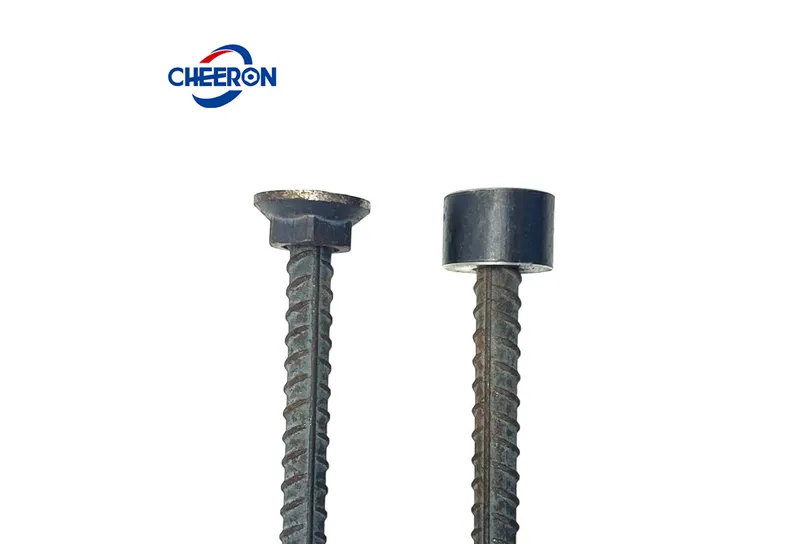
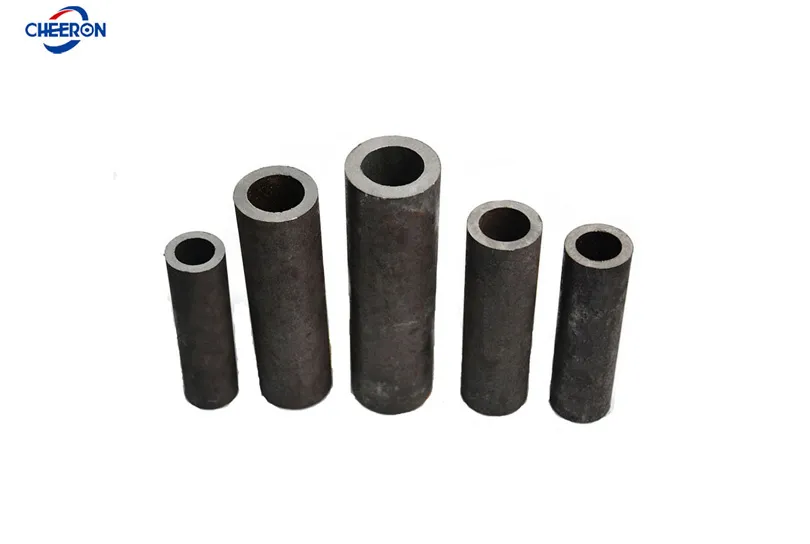
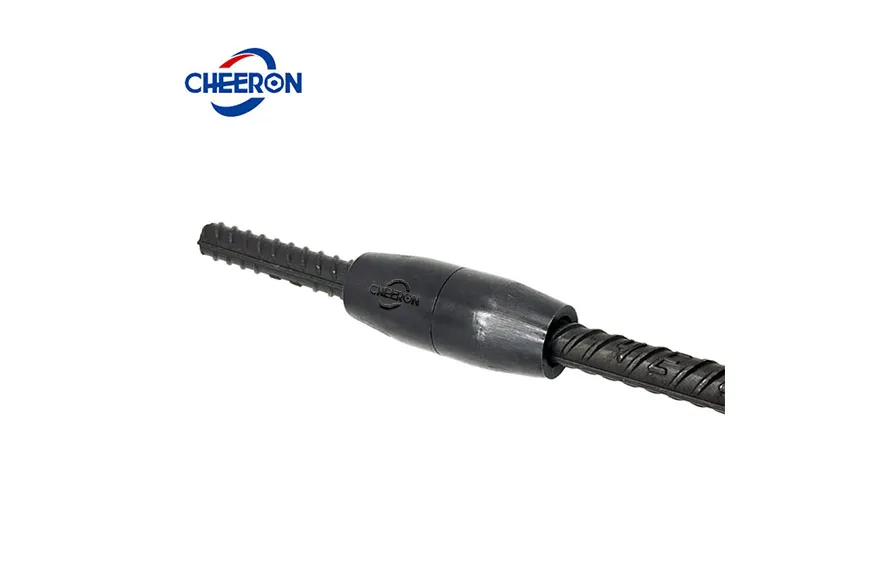
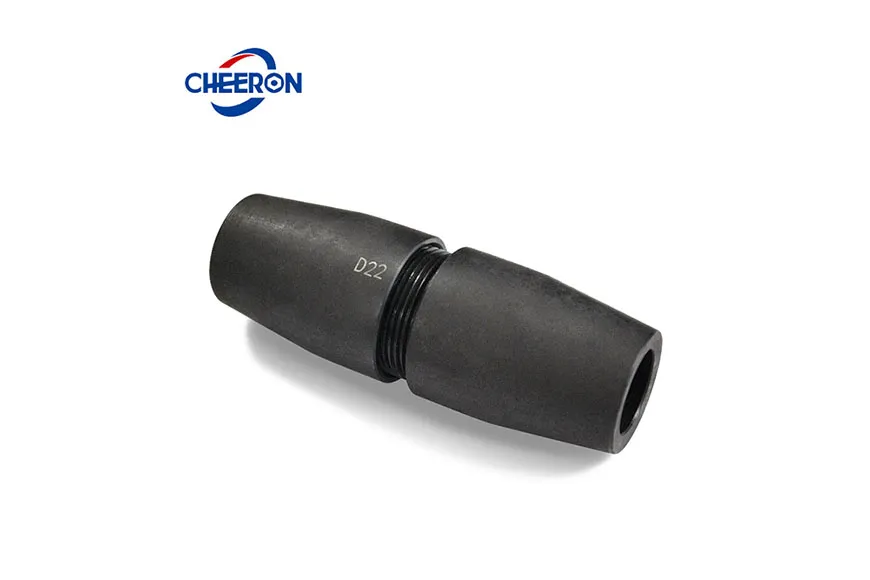
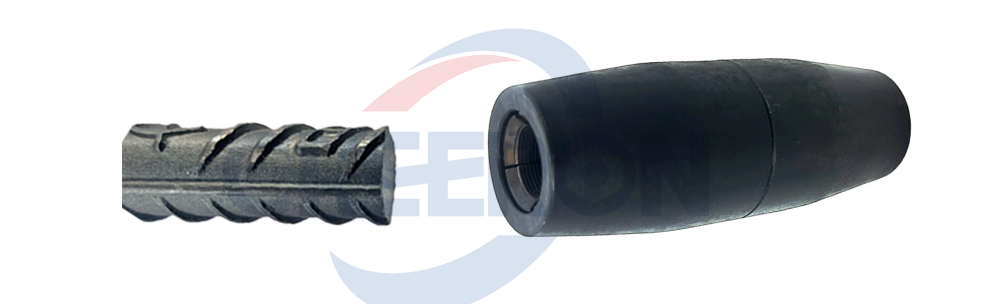
One touch rebar couplers, also known as self locking rebar coupler, one-touch joints. Plug and lock, the tighter you pull. Reinforcing bars do not require cutting threads or end upsetting, simply insert flat headed steel bars directly into the sleeve.
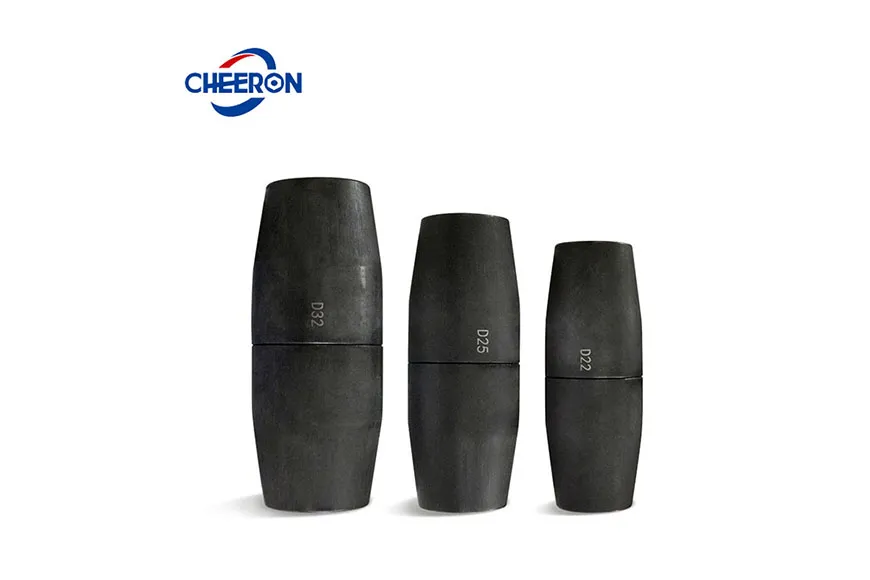
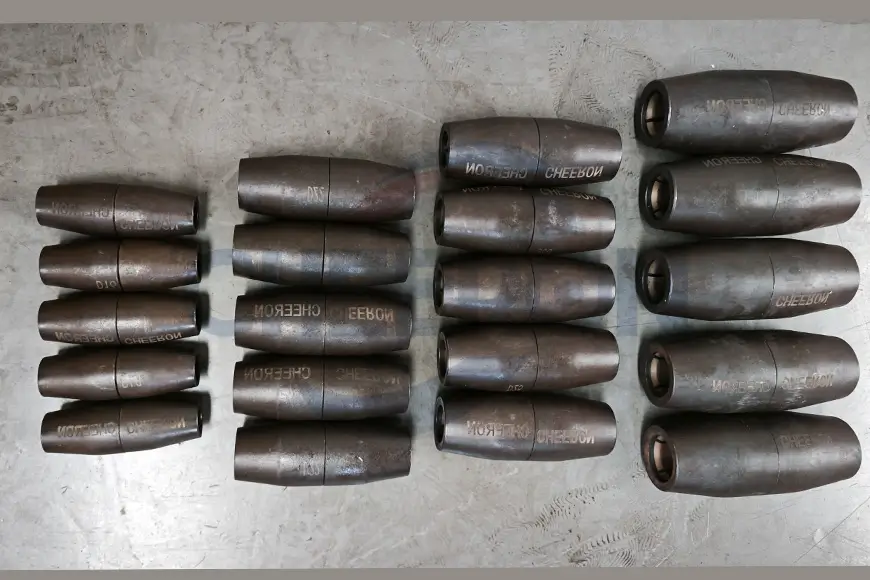
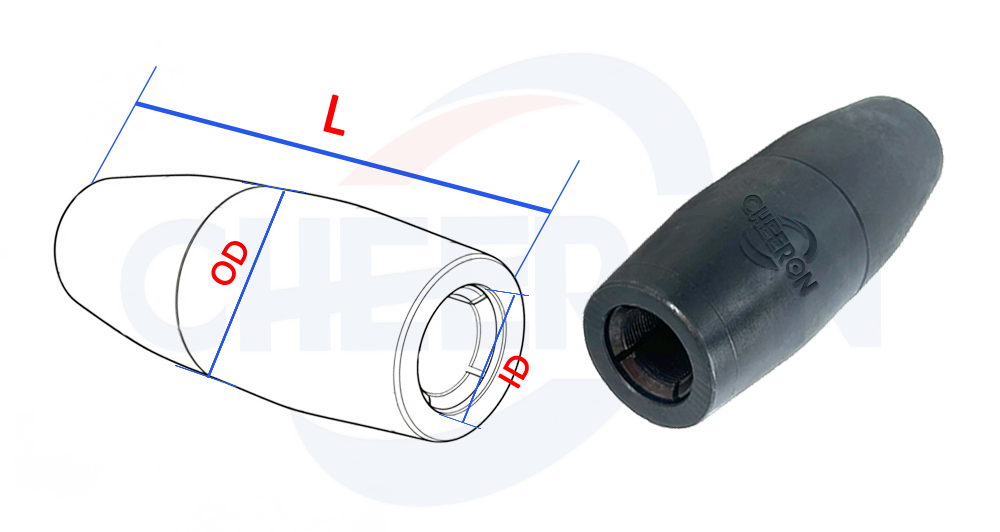
| Size | Out Diameter (mm) | Inner Diameter (mm) | Length (mm) | Weight (kg) | Tensile Strength (Mpa) |
| D12 | 32 | 12.25 | 93 | 0.28 | 800-1000 |
| D16 | 40.3 | 16.25 | 108 | 0.502 | 800-1000 |
| D20 | 46 | 20.11 | 123 | 0.824 | 800-1000 |
| D22 | 51 | 22.2 | 133 | 1.042 | 800-1000 |
| D25 | 56 | 25.2 | 143 | 1.423 | 800-1000 |
| D28 | 64.8 | 28.2 | 166 | 2.13 | 800-1000 |
| D32 | 70 | 32.3 | 170 | 2.578 | 800-1000 |
| D36 | 76.3 | 36.2 | 191 | 3.5 | 800-1000 |
| D40 | 82.8 | 40.4 | 199 | 4.7 | 800-1000 |
One touch couplers operate based on mechanical engagement rather than threaded connections.
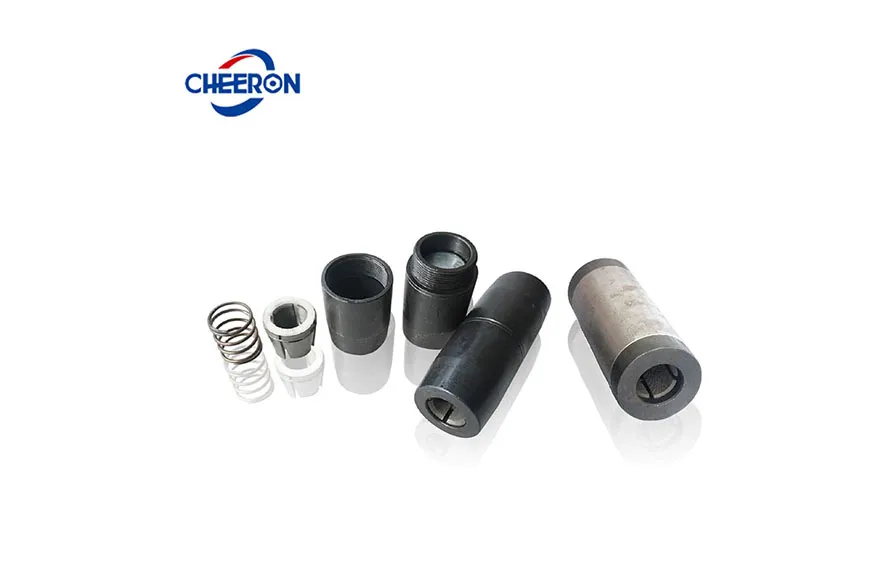
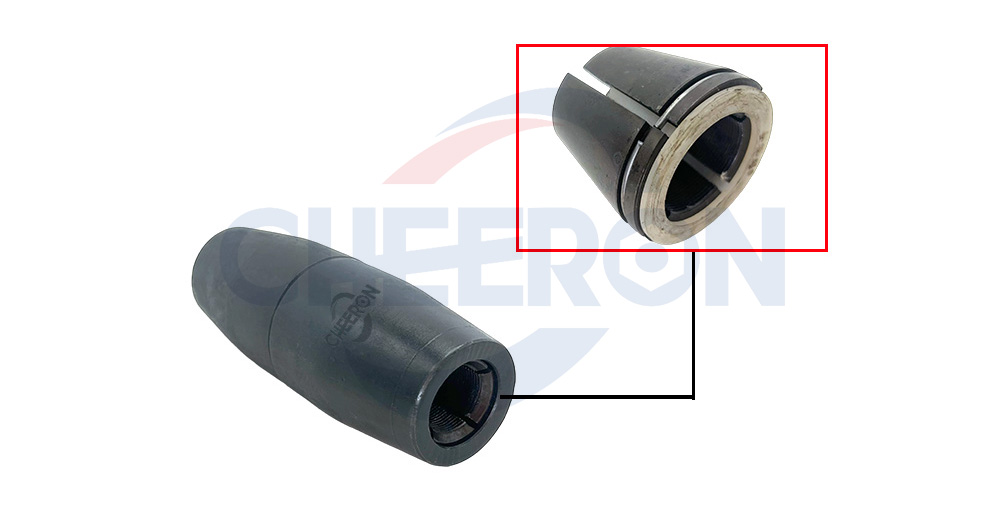
The unique self-locking mechanism design
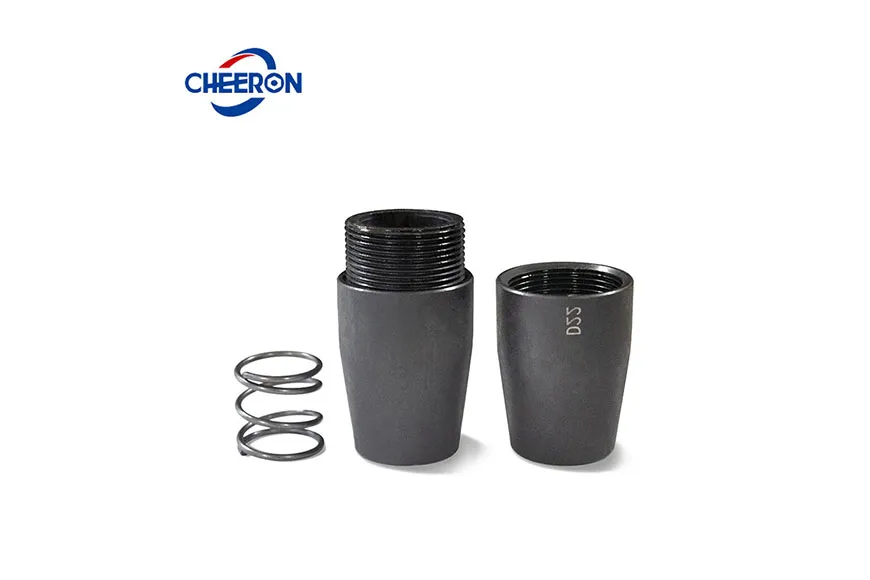
The coupler body includes a locking mechanism consisting of internal wedges designed to securely clamp the reinforcing bar once it is inserted to the desired depth.
Efficiency: Compared with traditional welding or bolt connection methods, reinforcement coupler types such as the one touch rebar coupler self-locking steel bar connection sleeve can quickly complete the connection operation without professional skills or complex tools, greatly saving construction time.
Stability: Due to the unique self-locking mechanism design inside the sleeve, one touch rebar coupler connected reinforcing steels have extremely high stability, which can meet the requirements of safety and stability in construction projects.
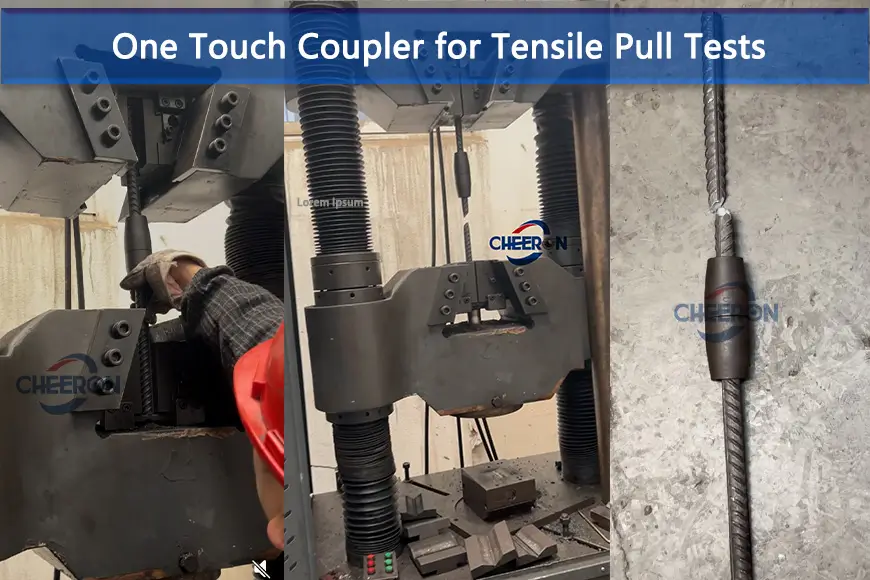
One touch rebar coupler are widely used in construction projects such as Bridges, high-rise buildings and tunnels.
The rebar section within 15–20 cm of the connection end must be straight and ground smooth. The surface must be free of mud, sand, grease, loose rust, or stone debris to prevent uneven stress on the internal locking jaws caused by forcibly inserting a bent rebar.
Pre-installation Marking:
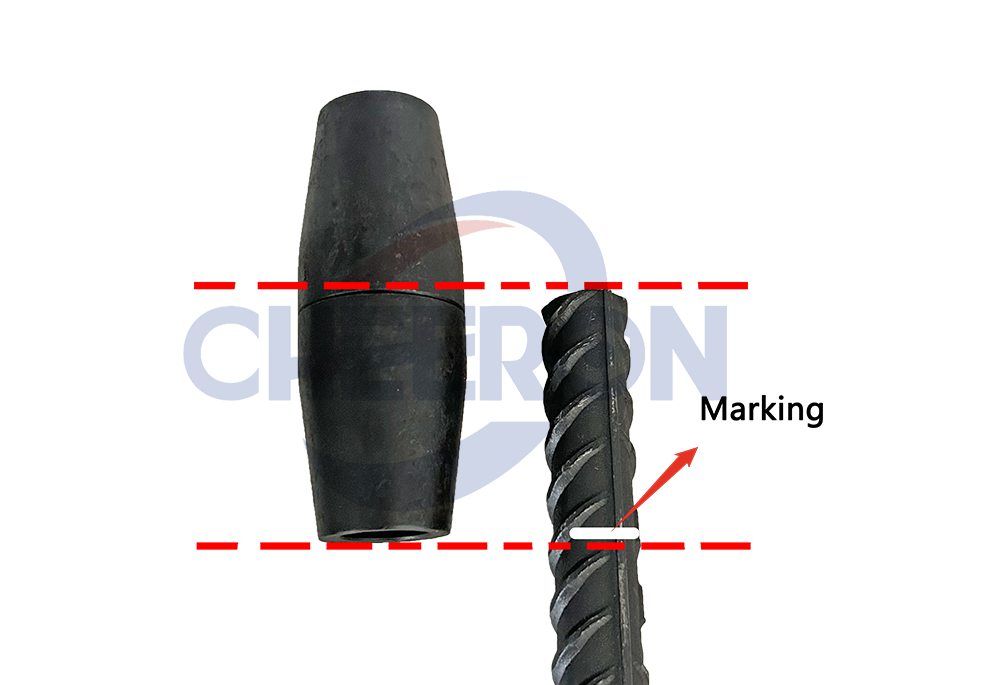
Before installation, mark the "insertion depth line" on the rebar end using a paint marker or white chalk, based on the depth specified for the specific coupler model (usually half the total length of the coupler).
Full Insertion and Self-locking Confirmation:
When inserting the rebar, push it firmly straight into the bottom of the coupler until it hits the center stop or can be pushed no further. After insertion, manually pull the rebar in the opposite direction to confirm that the internal locking jaws have engaged and locked securely.
Check the Mark:
Verify that the paint mark on the rebar is flush against the coupler opening to ensure the insertion depth fully meets requirements.
No Reverse Rotation or Forced Extraction:
The self-locking mechanism is a unidirectional, irreversible connection.
Store unused couplers in a dry, elevated location to prevent the internal springs or locking teeth from rusting due to accumulated water.