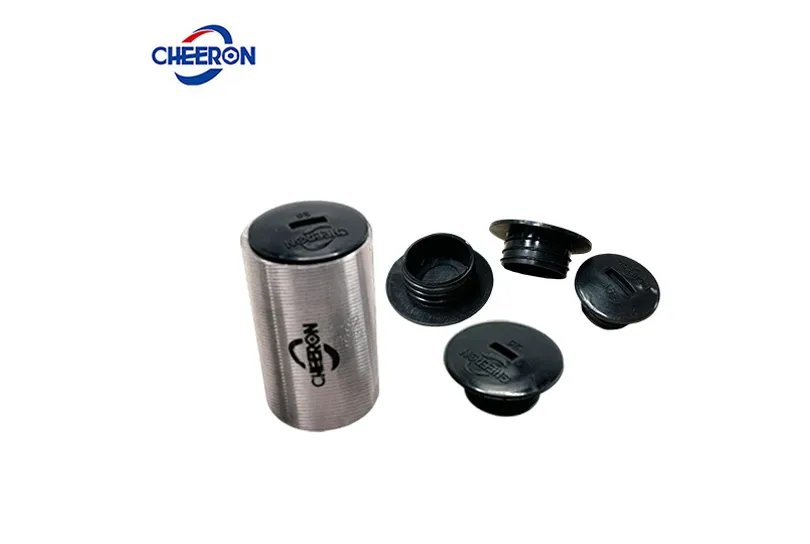
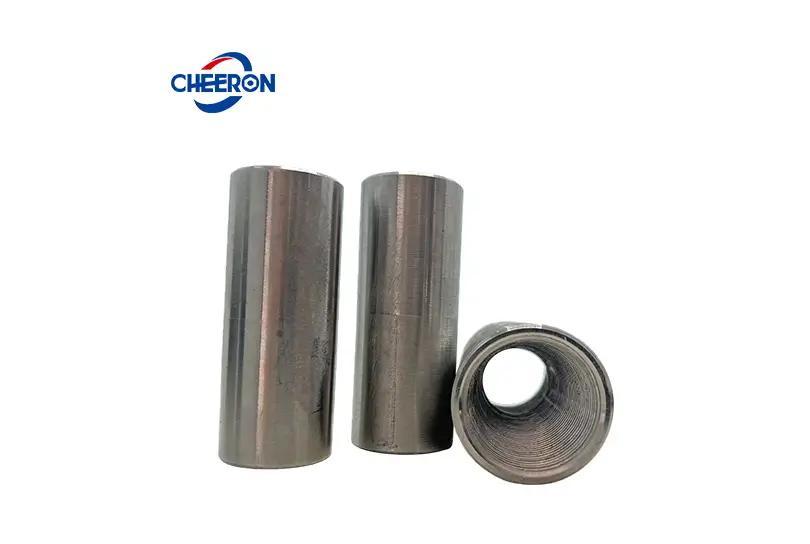
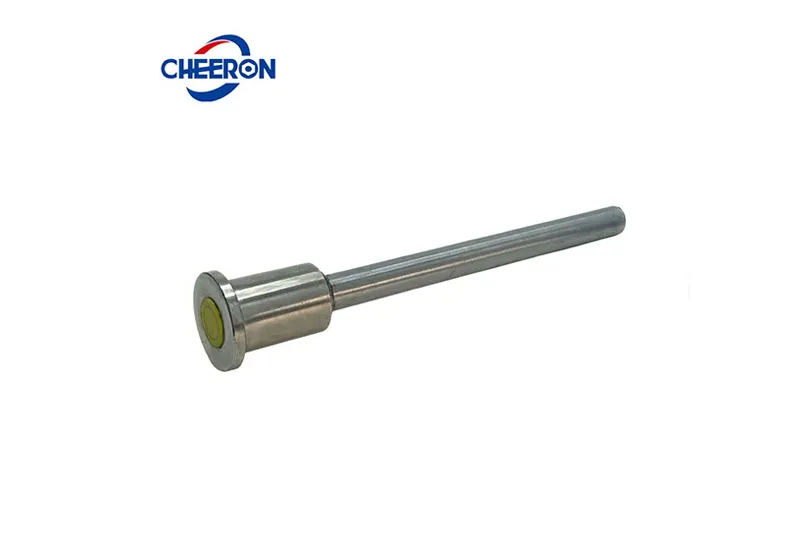
In the construction of reinforced concrete structures, rebar connections are a critical factor in ensuring the structural integrity and safety of the structure. Lap splicing (overlapping and tying) and rebar couplers (mechanical splices) are the two most common connection methods.
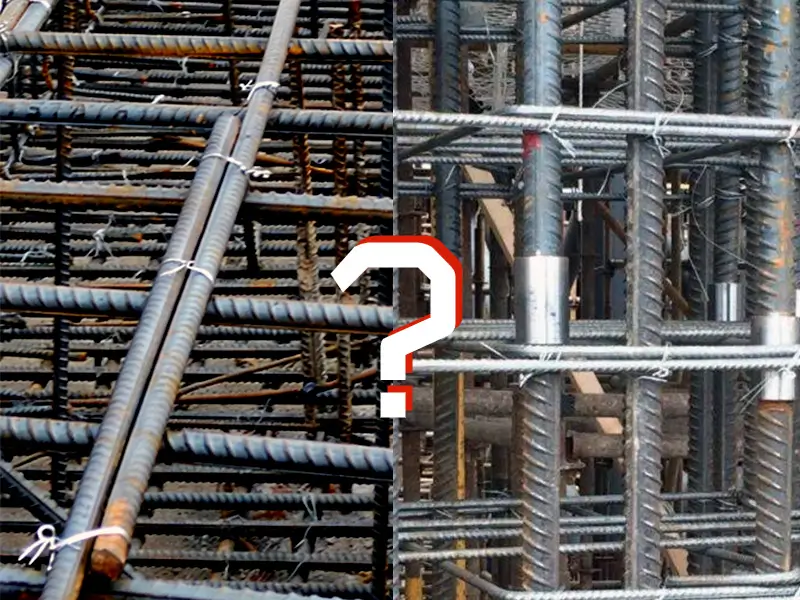
Many rodbusters, when dealing with rebar joint issues, often feel that using rebar couplers is no more convenient than overlapping tying: Lap splicing requires only simple overlapping and tying, with fewer tools, so why choose the seemingly “complex” couplers?
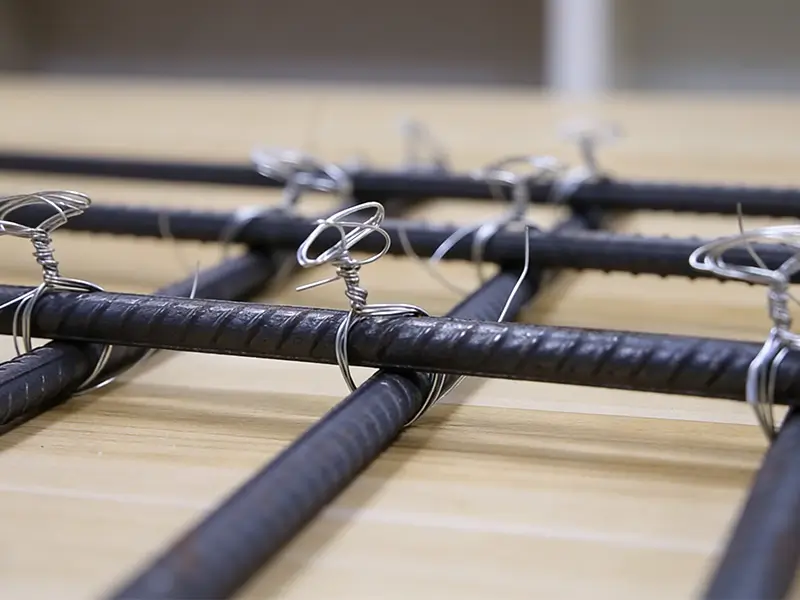
In fact, each method has its own suitable applications. While overlap splicing is simple, under specific construction conditions, couplers demonstrate irreplaceable advantages.
Below, we will conduct an in-depth analysis of the pros and cons of both methods in common construction scenarios to help you make an informed decision.
For example: column-beam joints or core tube wall areas
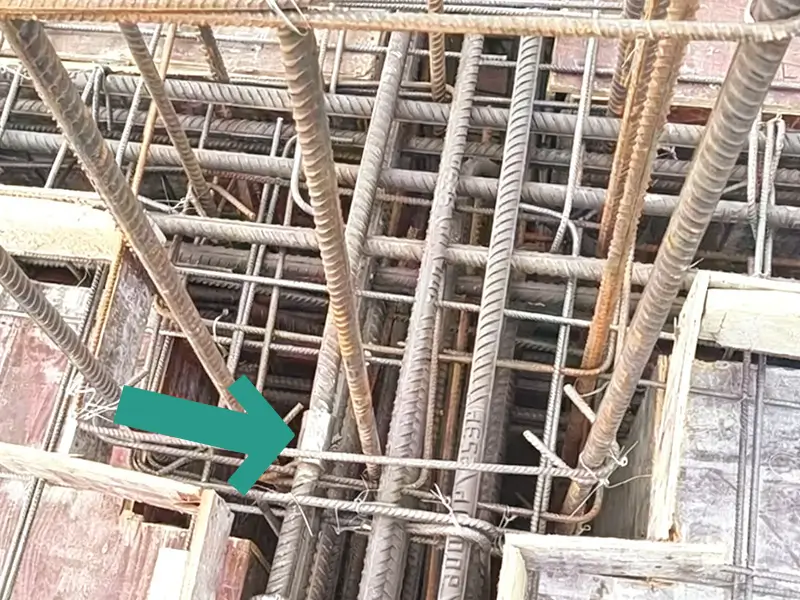
In these cases, lap splices require a long lap length (typically 30-40 times the diameter of the rebar). Combined with the lap tying process, this occupies a significant amount of space, making it difficult for workers to operate and leading to rebar misalignment or loosening of the ties.
In contrast,The length of a rebar coupler is only a few times the diameter of the rebar, allowing for direct screwing in or crimping.
Significantly reducing the required space
Improving construction efficiency
Avoiding the "jamming" problem in densely rebar areas
For example, green building or cost control projects.
Lap splices increase reinforcing steel length, leading to an increase in actual steel usage, potentially exceeding the design reinforcement ratio.
However, rebar connectors eliminate the need for rebar overlapping, achieving almost 100% rebar utilization.
Precisely meet area and quantity control requirements
Ensuring structural strength
Avoiding material waste
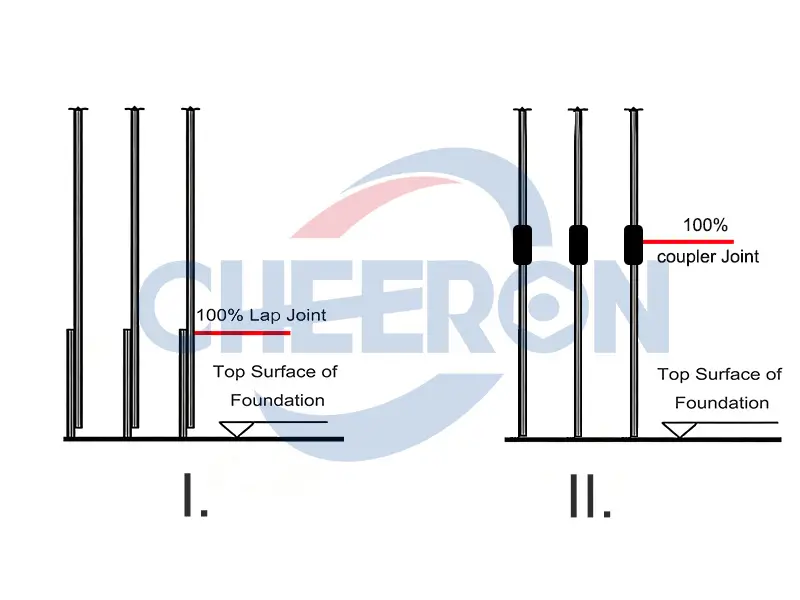
The lap length increases significantly with the diameter of the reinforcing bar, sometimes even exceeding the maximum allowable value specified in the code.This leads to increased construction difficulty and higher quality risks.
However, reinforcing bar connectors are not limited by diameter. These Engineering Projects achieve a connection of uniform strength through high-strength reinforcing bar sleeves.
Providing more stable mechanical properties
Superior seismic performance
Therefore, they are particularly suitable for connecting main reinforcing bars in bridges, tunnels, or high-rise buildings.
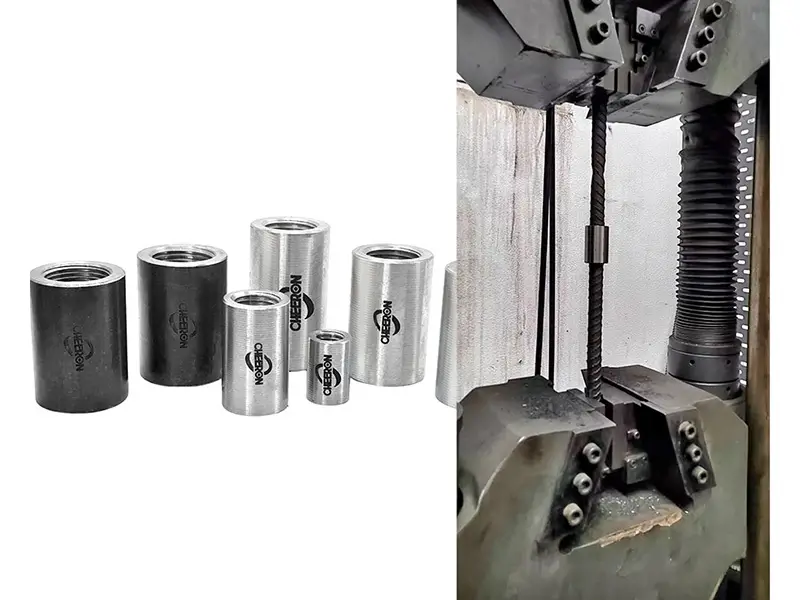
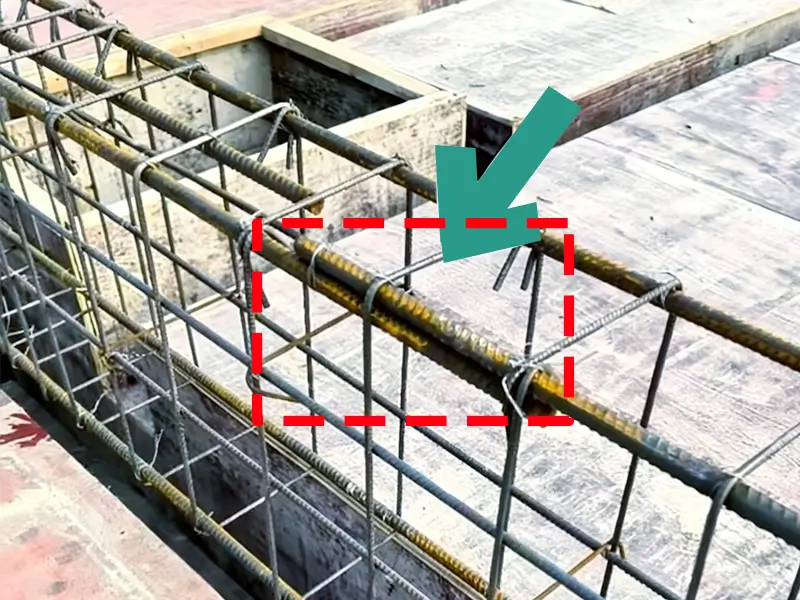
This is because the required lap length varies depending on the diameter of the reinforcing bar.
E.g., smaller diameter reinforcing bars require shorter lap lengths, while larger diameter reinforcing bars require longer lap lengths.
If the required lap length cannot meet the code requirements, forced lapping can create safety hazards.
In such cases, reinforcing bar connectors easily solve the problem.
First, simply cut the reinforcing bar to the appropriate length,
Then install the sleeve.
This avoids rework or structural modifications.
For example, the segmented pouring or renovation of super high-rise buildings
It is difficult to reserve sufficient lap length for rebar in the later stages.
Connectors can be pre-embedded or directly connected later.
Supporting a flexible "pour first, connect later" construction method
Significantly shorten the construction period
Reducing formwork support time
As shown above, couplers are applicable to almost common special scenario, and there are very few situations where "lap joints are suitable but couplers are not."
| Connection Method | Applicable Rebar Diameter | Connection Strength | Steel Consumption | Operating | Cost |
| Overlap Splicing | Small Diameter | Common | More | Simple | Lower |
| Coupler Splicing | All Diameters | High | less | Commom | Middle |
No special sleeves or equipment are needed, and on-site workers can complete the work, making them particularly suitable for ordinary civil buildings with tight budgets, ample space, and small-diameter, long rebar.
If project conditions allow for lap joints, most projects will still prioritize them to control overall costs.
Of course, the initial investment in connectors is slightly higher, but from a life-cycle perspective, the result was exactly the opposite.
The increased construction speed, quality assurance, and material savings couplers bring often result in higher overall benefits.

Finally, the choice of rebar connection method is not a "zero-sum game," but requires comprehensive consideration of following factors
Project Characteristics
Site Conditions
Budget
Blindly pursuing "simplicity" may lead to quality problems or schedule delays, while scientifically selecting connectors can simplify complex projects and achieve twice the result with half the effort.
Construction units should communicate with structural engineers during the design phase to plan joint schemes in advance, achieving a balance between safety, economy, and efficiency.
Only in this way can we ensure the "safety" of every building.
Unsure if rebar coupler connections are possible? Contact us for a detailed solution.