Rebar couplers are no longer optional, but crucial components.
In today's era, high safety, earthquake resistance, and long service life are essential requirements, and mechanical splices have become a significant influencing factor.
In this guide, we will introduce the top 10 global rebar coupler manufacturers, analyzing their advantages and products.
Whether you are building skyscrapers or expanding your building materials business, this list will provide you with clear and effective advice.
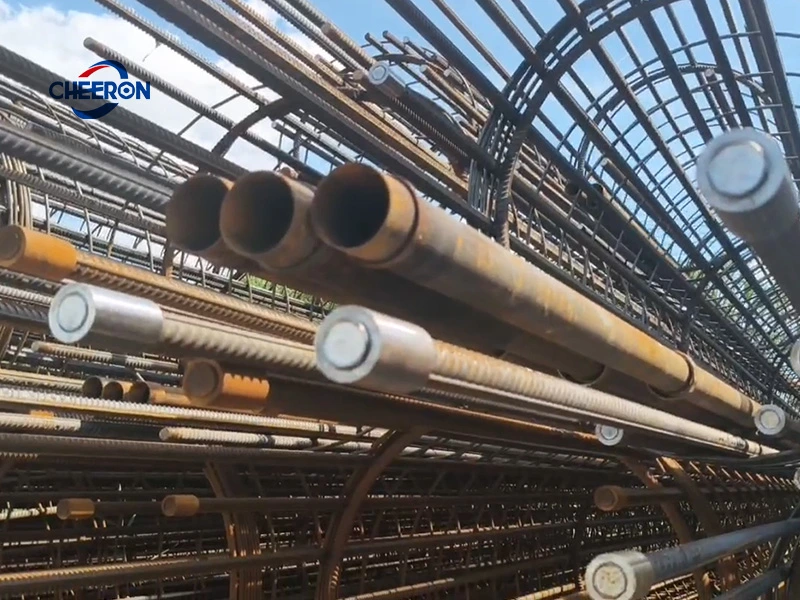
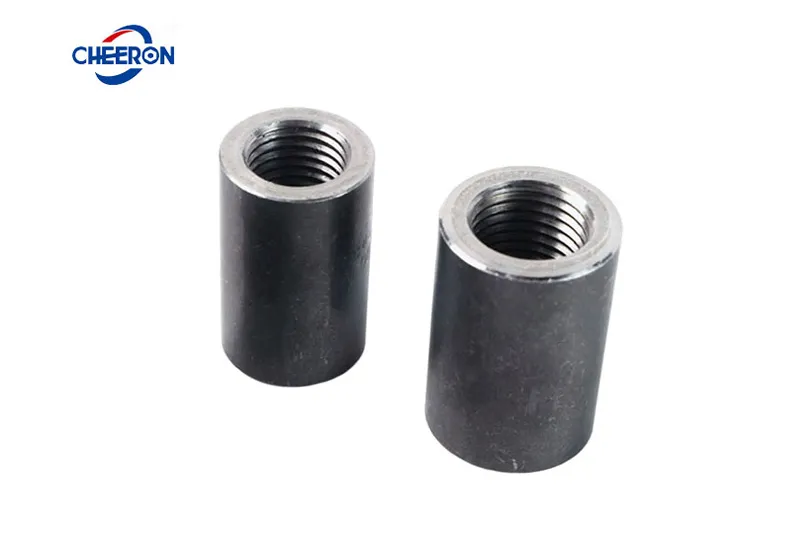
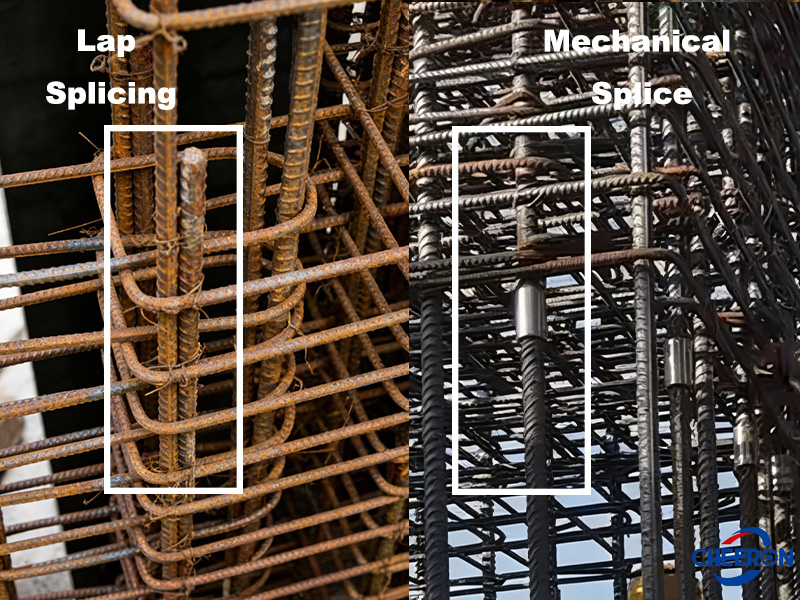
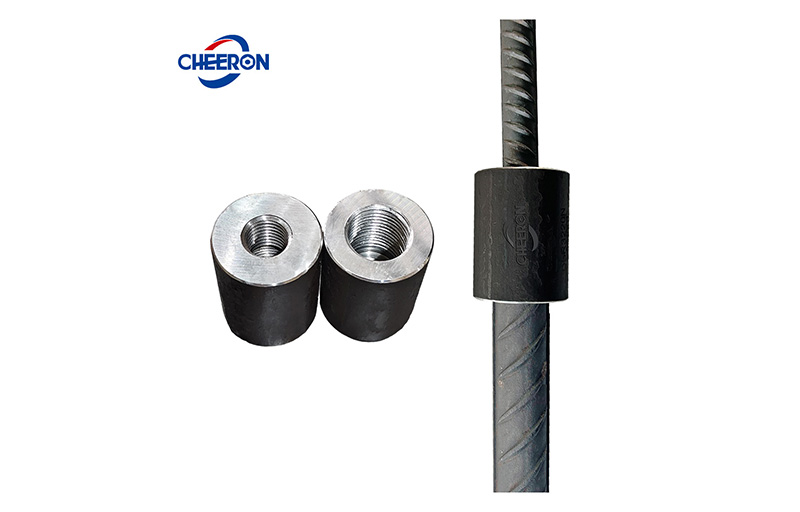
Rebar coupler, also known as rebar splice, mechanical splice, or rebar connector, is designed to continuously transfer tensile and compressive forces from one rebar to another.
Unlike traditional lap splices, rebar connectors directly connect rebars, resulting in a tighter, cleaner connection that is generally more robust in actual construction.
Think of it this way: if a lap splice is like tying two ropes together with extra length,
then a rebar coupling is more like using a precision-machined steel lock. Less waste, less congestion, and greater control.
In today's construction environment, mechanical connectors are crucial in:
High-rise buildings
Bridges and viaducts
Tunnels and subway systems
Dams and power plants
Precast concrete structures
Because rebar sleeves solve real-world construction challenges.
For High-Rise Buildings and Bridges:
Rebar connectors are widely used in vertical buildings and long-span structures with dense rebar and heavy structural loads.
For Tunnel, Railway, and Nuclear Power Projects:
These projects require reliable load transfer,and stringent inspection procedures. Therefore, mechanical connections are often essential.
Reduced steel consumption
Better performance in densely rebar-reinforced areas
Easier concrete pouring
Increased on-site construction efficiency
Clearer structural detailing
More reliable rebar connection control
nVent LENTON is one of the world's most renowned brands in mechanical rebar connections. LENTON systems are widely used in numerous international markets for their superior engineering and outstanding performance in large-scale structural projects. Their threaded connectors and positioning connectors are trusted by customers and suitable for a variety of demanding commercial and infrastructure applications.
Advantages:Strong engineering reputation, global project portfolio, and widespread recognition among code setters.
Dextra Group is a global giant in construction technology. With extensive experience in rebar connection systems, Dextra serves numerous large-scale projects. Its connector systems are particularly suitable for infrastructure, high-rise buildings, and highly technical environments.
Advantages:Excellent global distribution network and strong influence in the infrastructure and civil engineering sectors.
BARUS has established a strong reputation in the rebar connection market, especially in Europe and the international project supply chain.
Advantages:Strong expertise in rebar connection technology.
While many are familiar with Peikko's anchoring and connection technologies, its related rebar connection solutions also give it a significant position in the rebar connector field.
Advantages:Strong brand reputation, excellent technical documentation, and wide application.
Japan has long been a major player in precision steel processing and seismic structural systems. Although some Japanese suppliers dominate regional markets rather than the global market, they are still recognized for their engineering quality and innovation.
Advantages:High-precision manufacturing, a strong performance culture, and extensive experience in seismic construction environments.
With a broader portfolio of structural connection products, Leviat and its related engineering and construction brands have developed or distributed rebar continuity and connection solutions in multiple markets.
Advantages:A strong engineering ecosystem, mature distribution channels, and trustworthiness.
Changzhou Cheeron is one of China's well-known rebar connector manufacturers with extensive business in export markets. This company offers a wide range of rebar connection solutions, threading machines, and construction connection systems. It's a frequently mentioned name for buyers seeking a balance between price and scale.
Advantages:Strong production capacity, extensive product line, and good adaptability to wholesalers and international distributors.
Dayton Superior enjoys a strong reputation in the concrete construction products sector, and its extensive ecosystem of rebar and structural fittings gives it a significant position in the rebar connector market.
Advantages:Strong U.S. market presence, contractor familiarity, and integrated construction product support.
Regbar Construction is a specialized manufacturer focusing on rebar connection systems.
Advantages:Specialized in rebar connection systems with extensive expertise.
SAILI is an emerging and increasingly active manufacturer of industrial and construction fittings.
Advantages:Provides a practical product range for bulk buyers.
Parallel thread is one of the most common connector types on the market. They utilize straight threaded rebar ends and are favored for their ease of installation, greater cost-effectiveness, and wide applicability.
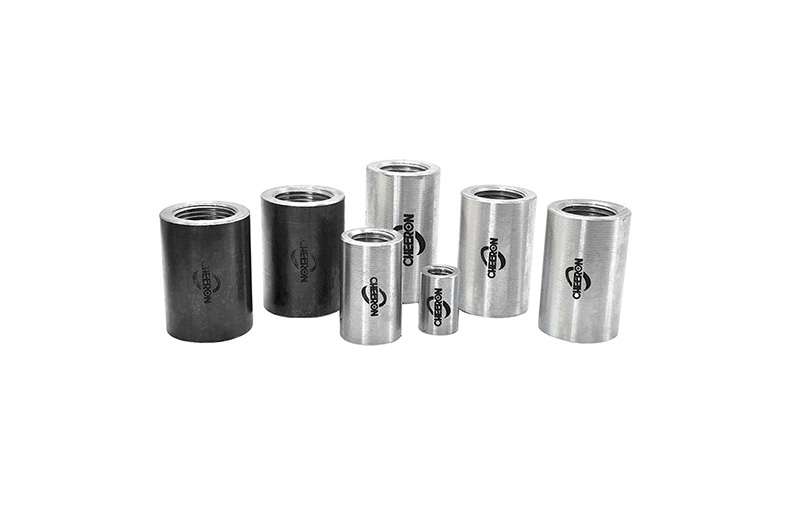
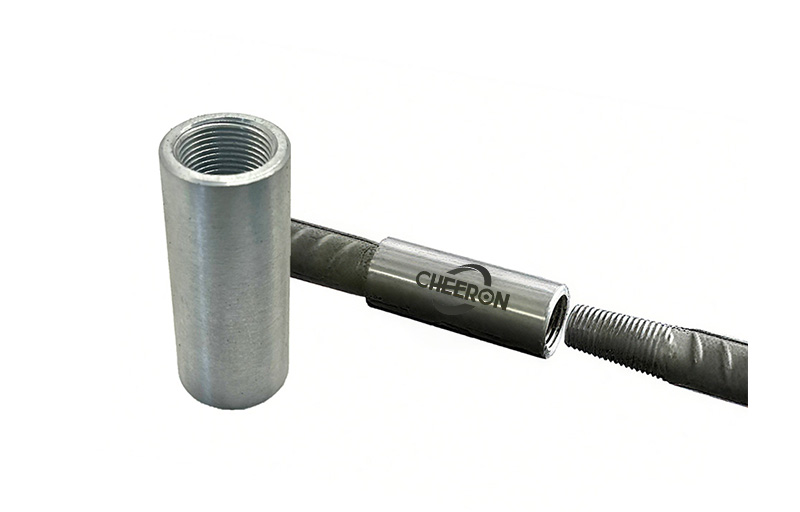
Tapered thread systems are known for their tapered inner thread design. When properly installed, they offer superior structural performance.
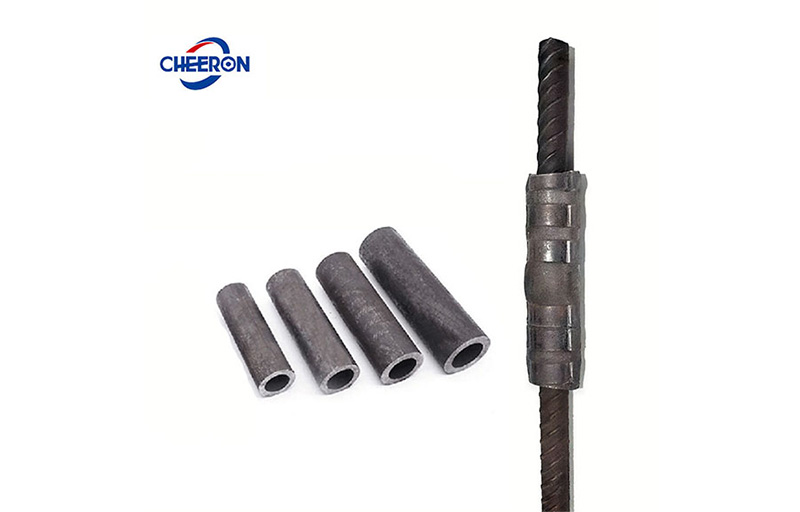
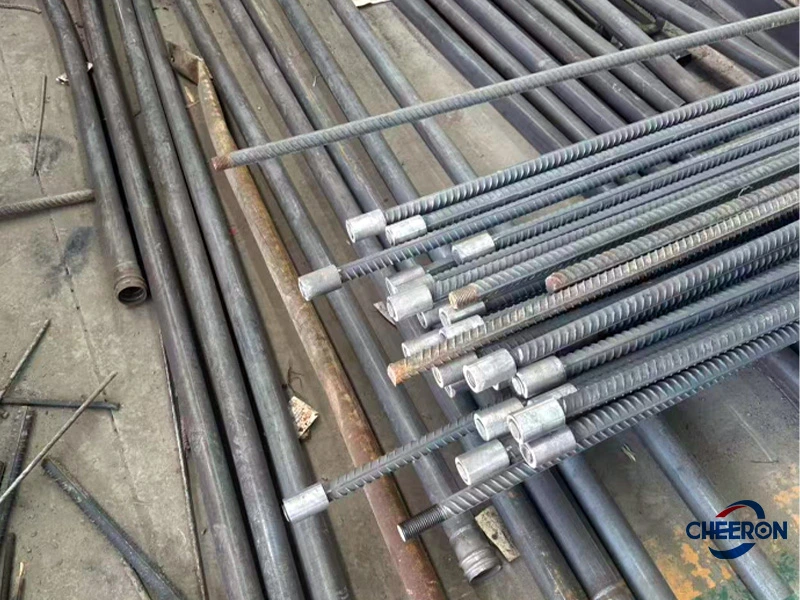
These crimping couplers are connecting two steel bars by crimping or compressing with specialized equipment, eliminating the need for pre-threading the rebar. They are commonly used in many applications.
Positioning connectors are used when the rebar cannot rotate freely, while transition couplers are used to connect rebars of different diameters.
Choosing a supplier isn't just about brand; suitability is key.
For Contractors
Contractors should prioritize relevant test data for rebar connectors (e.g., third-party inspection reports), specification approval (primarily compliance with local standards for rebar sleeves), and product availability (requiring a large daily production capacity). If project timelines are tight and requirements are high, quality, inventory, and response time are more important than price.
For Importers and Distributors
If you are sourcing for resale, focus on minimum order quantity flexibility, OEM packaging, delivery time, export experience, and after-sales support.

Lowest Price, Better
Cheap rebar connectors that fail inspection are not products but scrap. Consider multiple factors: rebar connector test performance, supplier reliability, ease of transportation, and after-sales support.
Lgnoring Details
The diameter tolerance, thread type, rebar grade, and local specifications of the rebar connector can all determine whether the product is usable.
Dedicated production lines
Stable monthly production capacity
Support for customized packaging
Reliable customer support system
Complete quality inspection standards
From established brands like nVent LENTON and Dextra Group to specialized Asian manufacturers such as Changzhou Cheeron, the market offers a wealth of choices.
The best rebar coupler manufacturer for you depends on your project goals: unique custom designs, large-scale production needs, wholesale sourcing for distribution, or OEM manufacturing.
One thing is clear: in the pursuit of faster, stronger, safer, and more scientific construction, rebar connectors are the preferred choice for modern building construction.
A: It depends on your project. Parallel thread connectors are common and widely used, while upset thread systems are often the first choice for high-end engineering applications. Positioning connectors and transition connectors are essential for more complex field conditions. There are also extruded rebar connectors (high strength), grouting couplers (pc construction), one-touch couplers (extremely fast), and bolt couplers (widely applicable) to choose from.
Unsure which to choose? Please contact us for more professional answers.
A: In many modern applications, yes. While rebar lap joints are simple to operate and inexpensive, they are only suitable for small-diameter rebars and non-critical load-bearing areas, and they consume more materials and have lower connection strength. Rebar couplings can reduce rebar congestion, save materials, improve structural performance, and simplify installation—especially in densely rebar areas. They can compensate for the insufficient load-bearing capacity of lap joints, resulting in superior overall connection performance. Please click-[Which is Better Overlapping or Rebar Coupler? ] for more detailed and comprehensive information.
A: Several global engineering centers in the US, Japan, Germany, China, and Europe and Asia have strong manufacturers or specialized system suppliers.
A: Absolutely. Many manufacturers—especially export-oriented suppliers like Cheeron—offer OEM/ODM services, including custom branding, packaging, and adaptation to local product standards.
A: Consider the following: product type, material grade, supported bar sizes, testing capabilities, minimum order quantity, lead time.