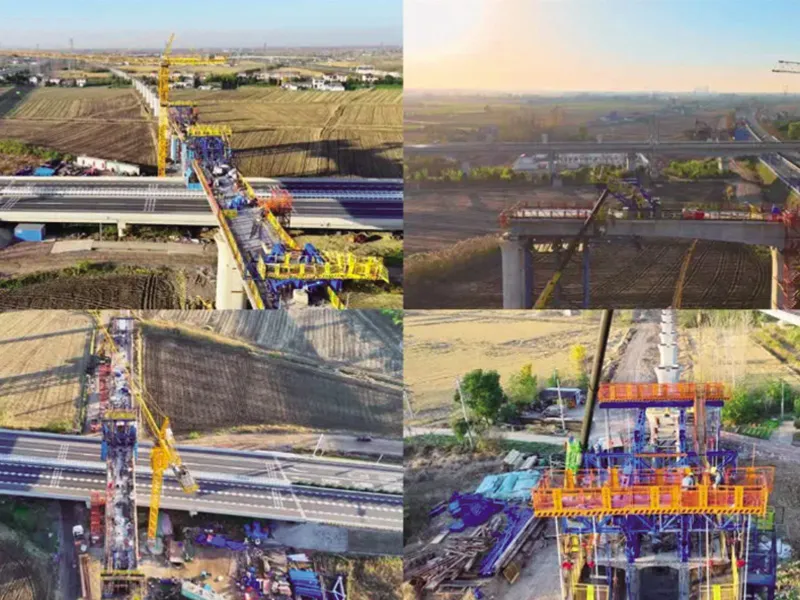
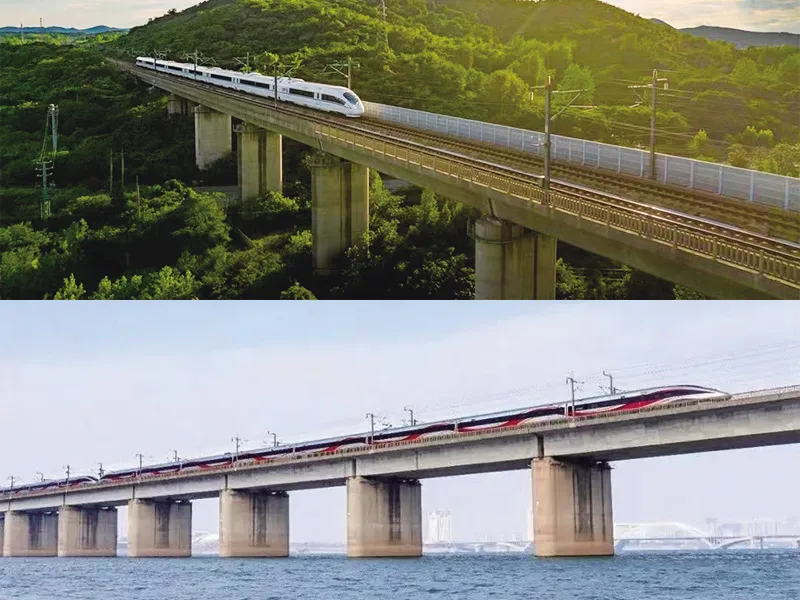
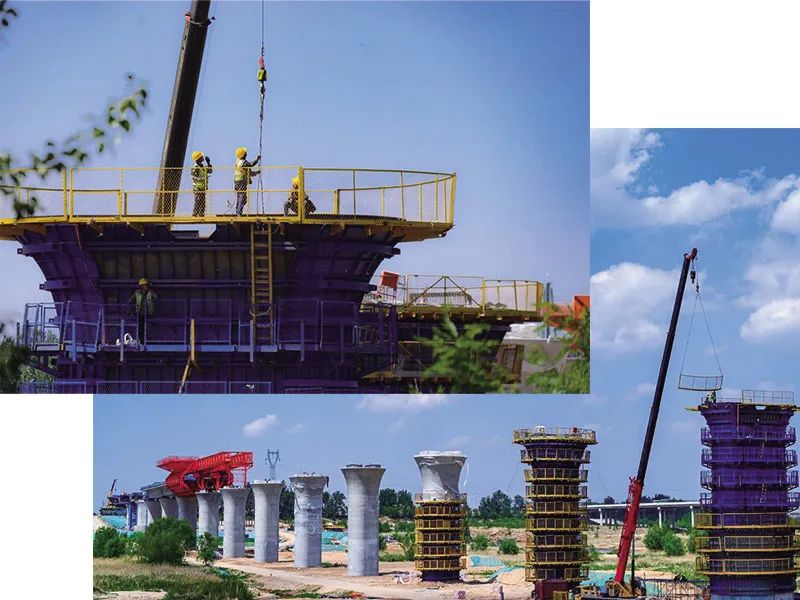
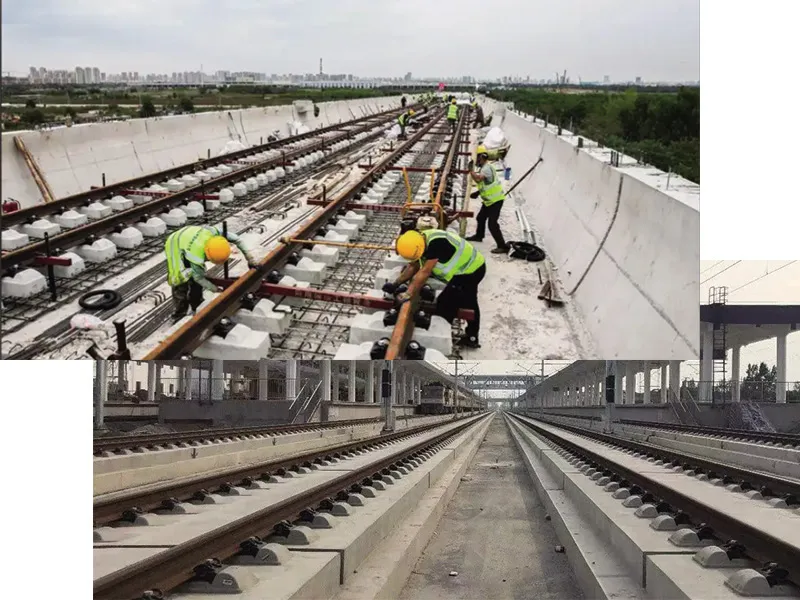
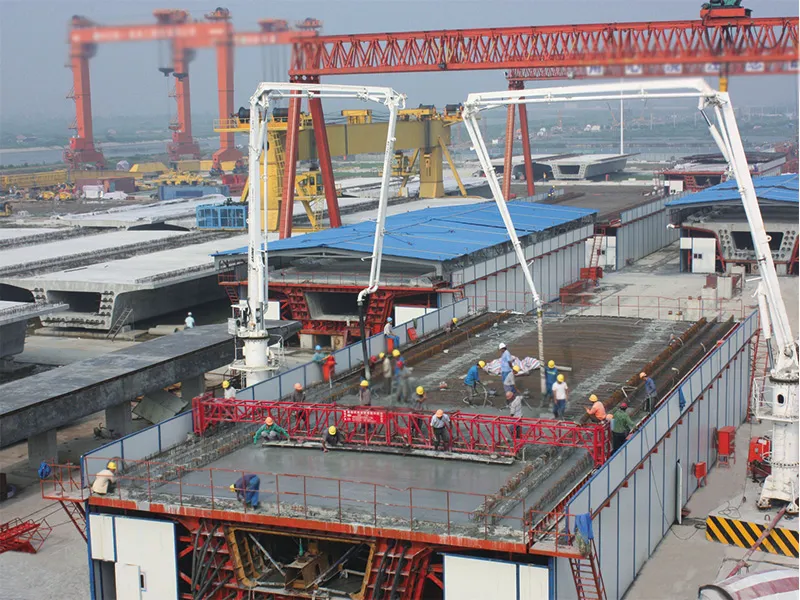
The Beijing-Shanghai High-Speed Railway, referred to as the Beijing-Shanghai High-Speed Rail, is a high-speed railway connecting Beijing and Shanghai. It officially opened to traffic on June 30, 2011. It is one of the largest investment-scale construction projects since the founding of the People's Republic of China. The line runs from Beijing South Station to Shanghai Hongqiao Station, with a total length of 1318 km, 24 stations, and a designed and operational speed of 350 km/h.
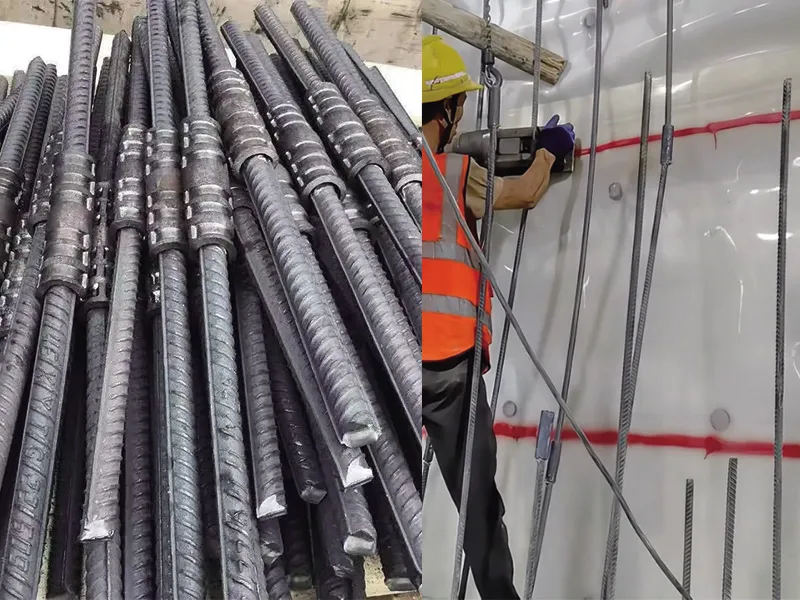
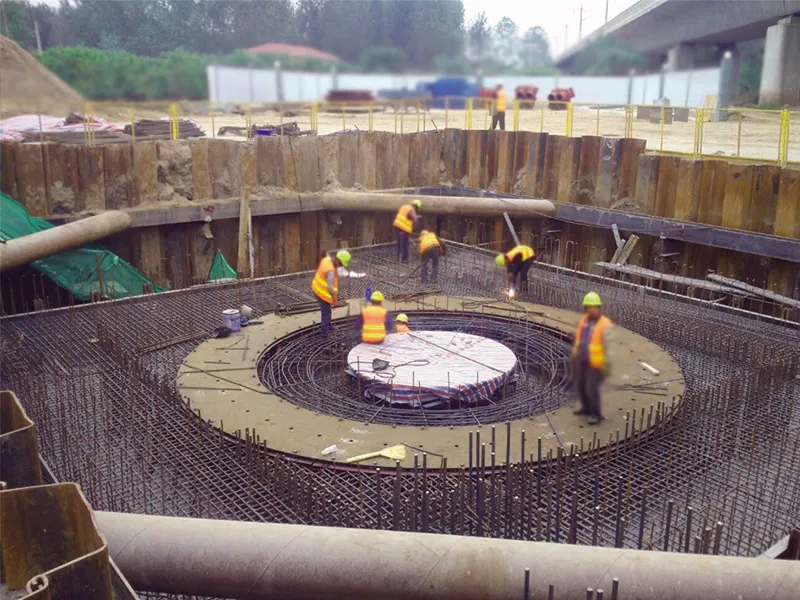
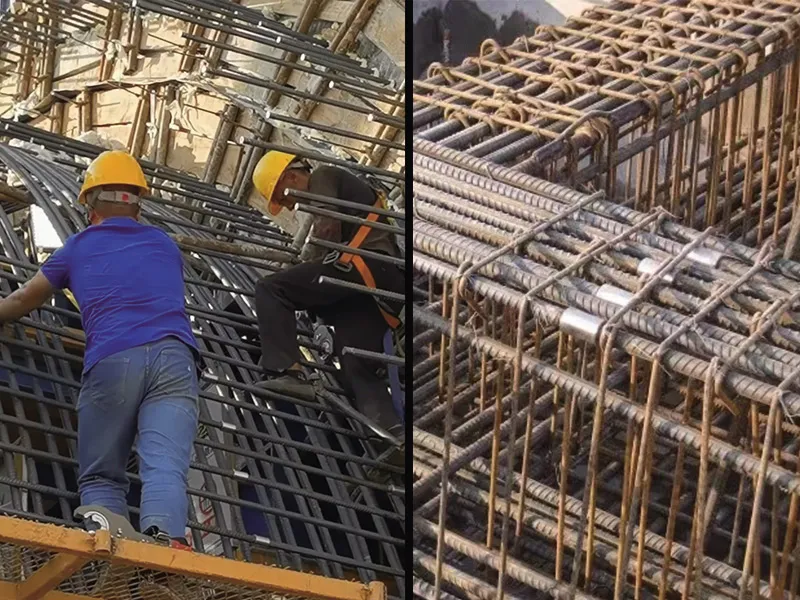
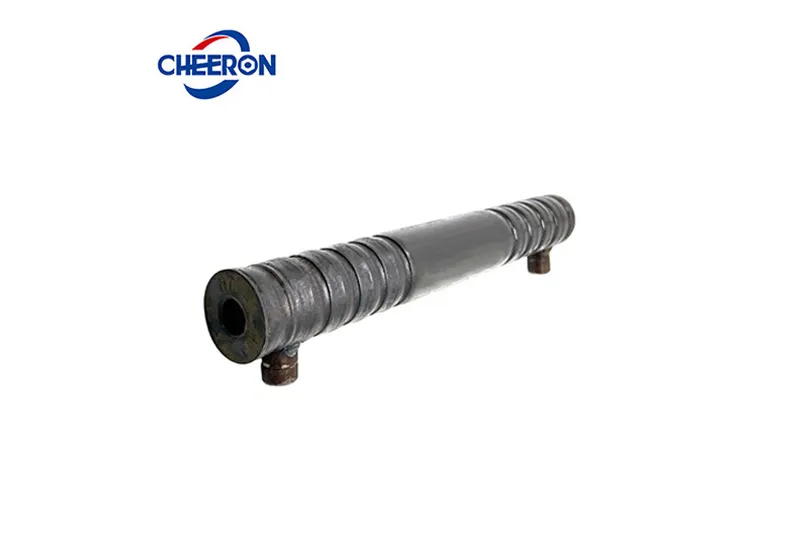
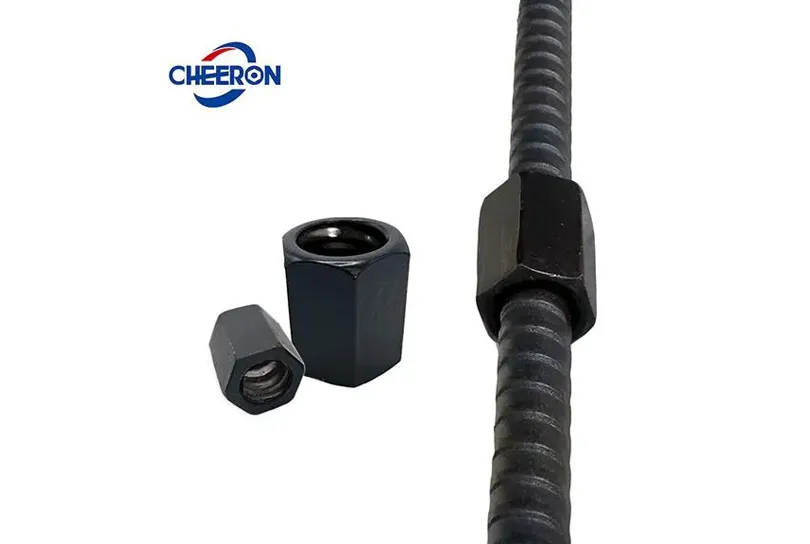
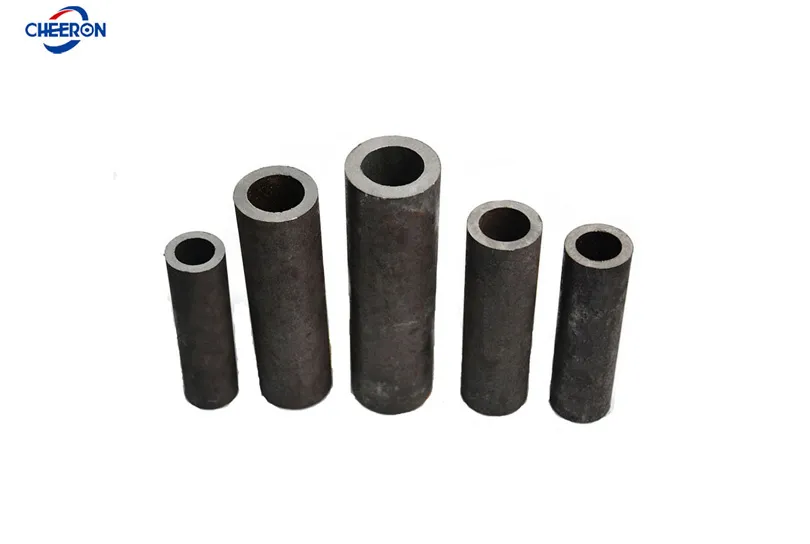
The sleeve connection of reinforcement bars is a critical aspect of high-speed railway bridge pier construction, directly affecting the structure's seismic performance and load-bearing capacity. The main reinforcement bars in the bridge piers of the Beijing-Shanghai High-Speed Railway typically have diameters ranging from 28 mm to 40 mm. A left-right thread coupler is used to achieve bidirectional screwing of the reinforcement bars, avoiding the challenges of traditional single-thread sleeves that require rotating the reinforcement bar (particularly suitable for cases where the fixed end of the reinforcement bar cannot be rotated).
It allows connection without rotating the reinforcement bar, as the sleeve itself rotates;
it offers higher tensile strength, reaching 1.1 times that of the base reinforcement material;
and it provides superior seismic performance, remaining secure under large deformations.