As reinforced concrete structures continue to grow in size and complexity, efficient and reliable rebar connection methods have become increasingly important. Traditional lap splicing consumes more steel, while threaded mechanical splices often require extensive bar-end preparation. To improve installation efficiency without compromising structural performance, many contractors are turning to the one touch coupler.
A one touch rebar coupler is designed to simplify the connection process by allowing reinforcing bars to be joined quickly with minimal preparation. This innovative mechanical splice solution helps reduce installation time, improve construction productivity, and maintain consistent connection quality across a wide range of infrastructure and building projects.
Whether used in high-rise buildings, bridges, tunnels, precast concrete, or industrial construction, understanding how a one touch coupler rebar system works can help engineers and contractors choose the most suitable reinforcement connection method.
In this guide, we'll explain the working principle, installation procedure, advantages, applications, and selection criteria of the one touch rebar coupler.
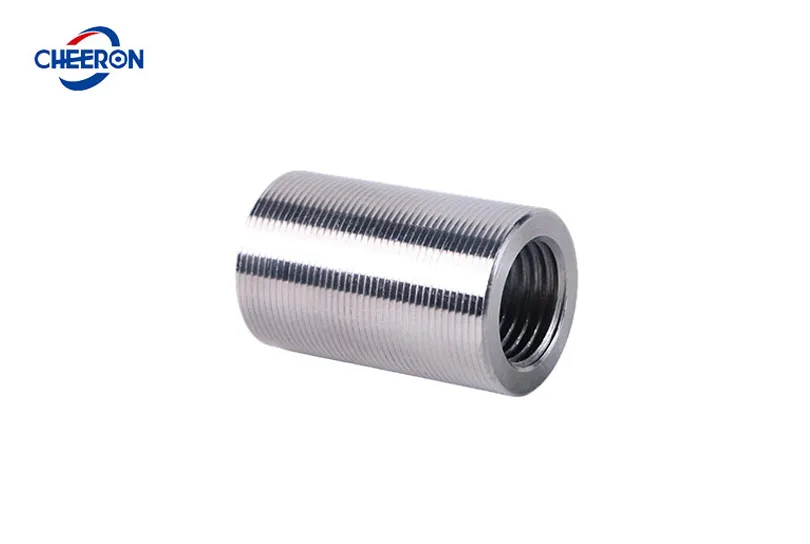
A one touch rebar coupler is a mechanical reinforcement connector designed to join two reinforcing bars quickly without the extensive threading operations required by conventional threaded couplers. Unlike traditional mechanical splices that depend on threaded bar ends, a coupler one touch system uses an internal locking mechanism that securely grips the reinforcing bars once they are inserted into the coupler body.
The primary purpose of a one touch coupler is to simplify reinforcement installation while maintaining structural continuity and load transfer between reinforcing bars. Because installation is faster and less dependent on specialized threading equipment, one-touch systems are increasingly used in projects where construction speed, labor efficiency, and quality consistency are important.
Modern one touch coupler rebar solutions are manufactured from high-strength steel and engineered to meet the mechanical performance requirements of reinforced concrete structures. When installed correctly, they provide reliable tensile strength, improved productivity, and easier field installation compared with many traditional connection methods.
The working principle of a one touch coupler is based on mechanical engagement rather than threaded connections. The coupler body contains an internal locking mechanism designed to grip the reinforcing bars securely once they are inserted to the required depth.
During installation, each reinforcing bar is inserted into opposite ends of the one touch rebar coupler until it reaches the specified insertion mark. Internal wedges, locking elements, or specially designed gripping components automatically engage the bar surface, creating a secure mechanical connection capable of transferring tensile and compressive forces.
Because no bar threading is required during installation, a coupler one touch significantly reduces field preparation time while minimizing installation errors associated with improper thread engagement.
This simple yet effective connection method makes the one touch coupler rebar especially attractive for projects requiring rapid installation, difficult working conditions, or limited installation space.
Although designs vary among manufacturers, most one touch rebar coupler systems include several essential components that work together to create a secure reinforcement splice.
| Component | Function |
|---|---|
| Coupler Body | Provides the structural housing for the mechanical splice |
| Internal Locking Mechanism | Grips and secures the reinforcing bar |
| Alignment Chamber | Ensures correct bar positioning during installation |
| Stop Position | Controls proper insertion depth |
| Protective Surface Coating | Improves corrosion resistance during storage and service |
Each component contributes to installation reliability and long-term structural performance. Precision manufacturing ensures that the locking mechanism provides consistent gripping force while maintaining proper alignment between reinforcing bars.
Proper installation is essential for achieving the designed performance of a one touch coupler. Although manufacturer instructions should always be followed, the general installation procedure includes the following steps:
Inspect the reinforcing bars to ensure they are straight, clean, and free from excessive rust, oil, or deformation.
Verify that the selected one touch rebar coupler matches the reinforcing bar diameter and project specifications.
Insert the first reinforcing bar into one side of the coupler until it reaches the required insertion depth.
Insert the second reinforcing bar from the opposite side while maintaining proper alignment.
Confirm that both bars are fully seated according to the manufacturer's installation markings.
Perform the required inspection to verify correct installation before concrete placement.
Because installation does not require field threading, this procedure is generally faster than conventional threaded mechanical splicing systems.
One of the advantages of a one touch coupler is its relatively simple installation process. Compared with threaded couplers, fewer specialized tools are typically required.
Basic installation equipment may include measuring tools for confirming insertion depth, cleaning brushes for removing debris from reinforcing bars, alignment guides where applicable, and inspection gauges recommended by the manufacturer.
Depending on the specific one touch rebar coupler design, some systems may require hydraulic pressing tools or proprietary installation devices, while others rely entirely on manual insertion and locking mechanisms.
Contractors should always follow the equipment recommendations provided for the specific coupler one touch product being used.
The growing popularity of the one touch rebar coupler is driven by its ability to improve installation efficiency while maintaining reliable structural performance.
Key advantages include:
Faster installation by eliminating time-consuming bar threading during field assembly.
Reduced labor requirements, improving productivity on large construction projects.
Consistent connection quality through standardized mechanical locking mechanisms.
Suitable for confined spaces where rotating reinforcing bars may not be practical.
Reduced construction delays because installation is less dependent on specialized equipment.
These benefits make the one touch coupler rebar an attractive solution for contractors seeking to improve construction efficiency while maintaining structural reliability.
Both one-touch and threaded mechanical couplers are widely used in reinforced concrete construction, but they differ significantly in installation method and project suitability.
| Comparison | One Touch Coupler | Threaded Rebar Coupler |
|---|---|---|
| Installation Speed | Fast | Moderate |
| Thread Preparation | Not required during installation | Required |
| Field Equipment | Minimal | Threading equipment often required |
| Suitable for Restricted Areas | Excellent | May be more difficult |
| Installation Complexity | Lower | Higher |
A one touch coupler is often preferred when rapid installation and simplified field operations are priorities, while threaded systems remain common for projects with established threading processes.
A one touch rebar coupler can be used across many reinforced concrete applications where reliable mechanical splicing is required.
Typical applications include high-rise buildings, bridges, tunnels, precast concrete production, metro systems, marine structures, industrial facilities, retaining walls, foundations, and seismic reinforcement projects.
Because installation is efficient and requires limited working space, one touch coupler rebar systems are particularly useful for congested reinforcement layouts and projects with tight construction schedules.
As mechanical reinforcement technology continues to evolve, one-touch systems are becoming increasingly popular for modern infrastructure development.
Choosing the correct one touch coupler requires matching the coupler specifications with the reinforcing bars used in the project.
Selection should consider reinforcing bar diameter, steel grade, design loads, project specifications, applicable construction standards, and manufacturer recommendations.
Engineers should also verify that the selected one touch rebar coupler has been tested according to relevant mechanical splice standards and provides the required tensile performance.
Proper sizing ensures adequate load transfer while simplifying installation and inspection throughout the construction process.
Quality control plays an important role in ensuring the performance of every one touch coupler installation.
Before concrete placement, inspectors should verify correct bar insertion depth, proper alignment, complete locking engagement, and compliance with manufacturer installation procedures.
Common installation mistakes include using the wrong coupler size, inserting reinforcing bars incompletely, failing to clean bar surfaces, damaging locking components during handling, or mixing incompatible reinforcement systems.
Regular training and adherence to installation procedures help minimize these errors while improving construction quality and long-term structural performance.
Although one touch rebar coupler systems require little maintenance after installation within concrete, proper storage before use helps preserve product quality.
Couplers should be stored in dry, well-ventilated areas away from excessive moisture, corrosive chemicals, and physical impact. Protective packaging should remain intact until installation whenever possible.
Before use, contractors should inspect couplers for visible damage, deformation, contamination, or corrosion that could affect installation performance.
Proper inventory management also helps prevent mixing different coupler sizes or product types on the construction site.
A one touch rebar coupler is a mechanical splice designed to connect reinforcing bars quickly using an internal locking mechanism instead of conventional threaded engagement.
Most one touch coupler systems eliminate the need for threaded bar ends during field installation, significantly improving installation efficiency.
A coupler one touch is widely used in high-rise buildings, bridges, tunnels, precast concrete, industrial construction, and infrastructure projects where rapid installation is beneficial.
Yes. Because reinforcing bars generally do not need to rotate during installation, a one touch coupler rebar performs well in areas with dense reinforcement layouts.
Inspectors should verify proper insertion depth, locking engagement, alignment, product condition, and compliance with manufacturer installation requirements before concrete placement.