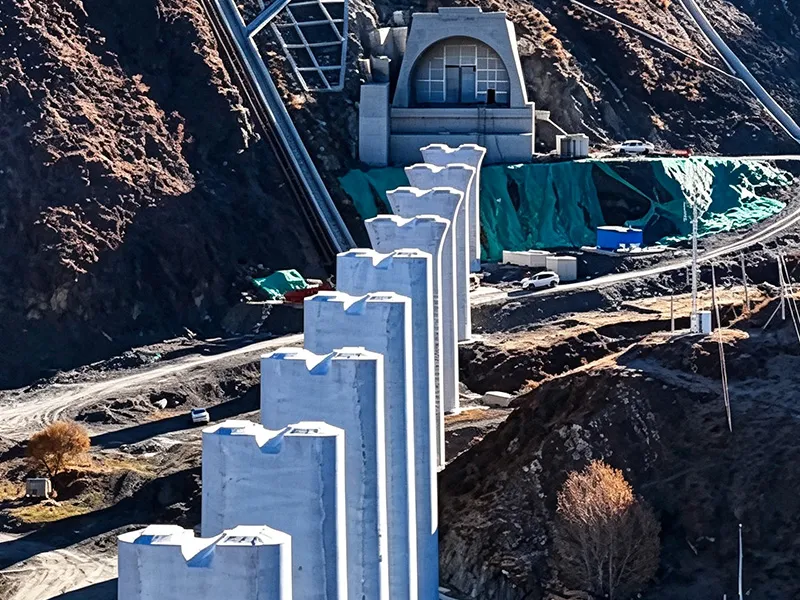
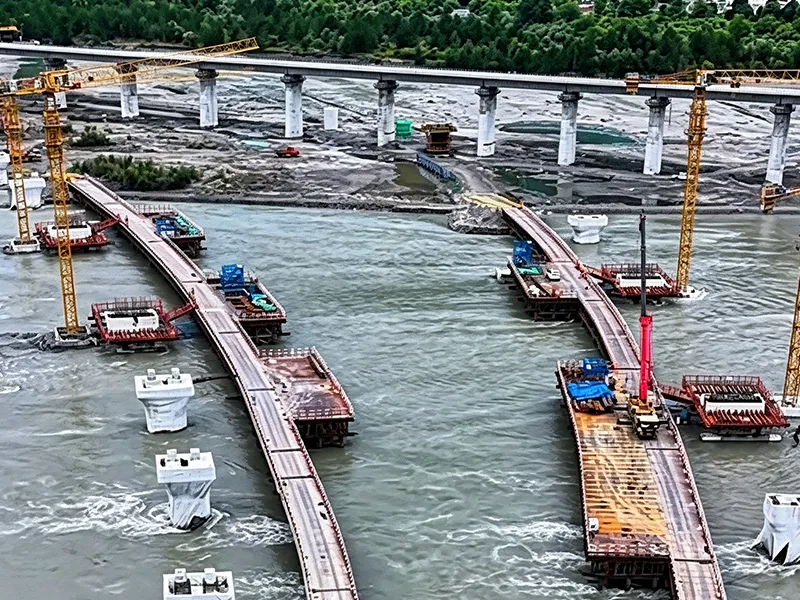
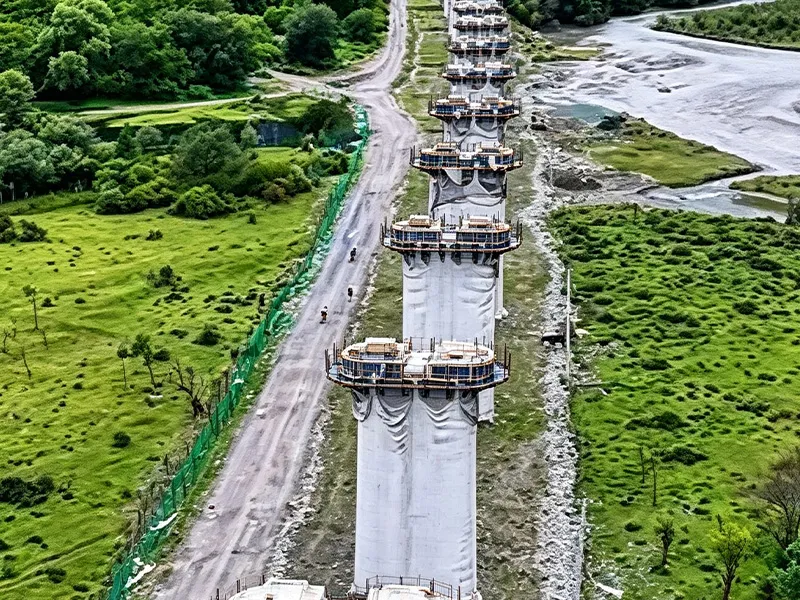
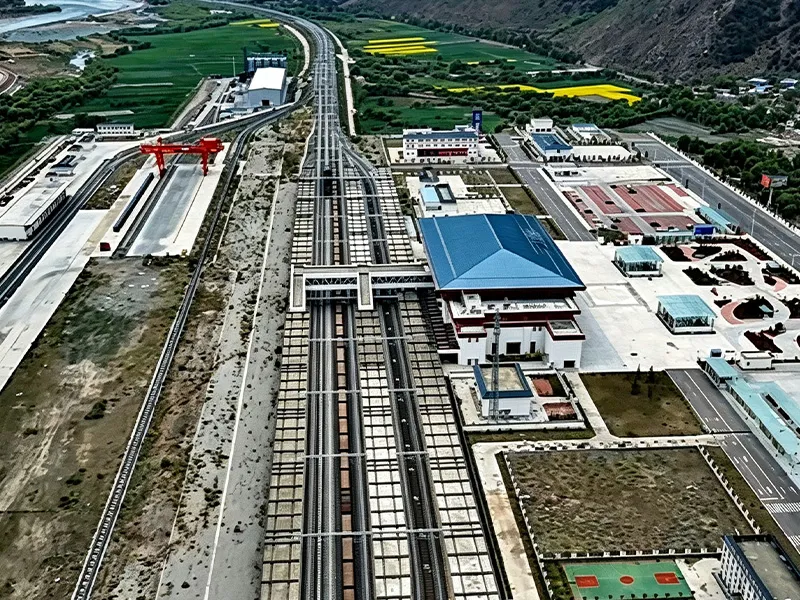
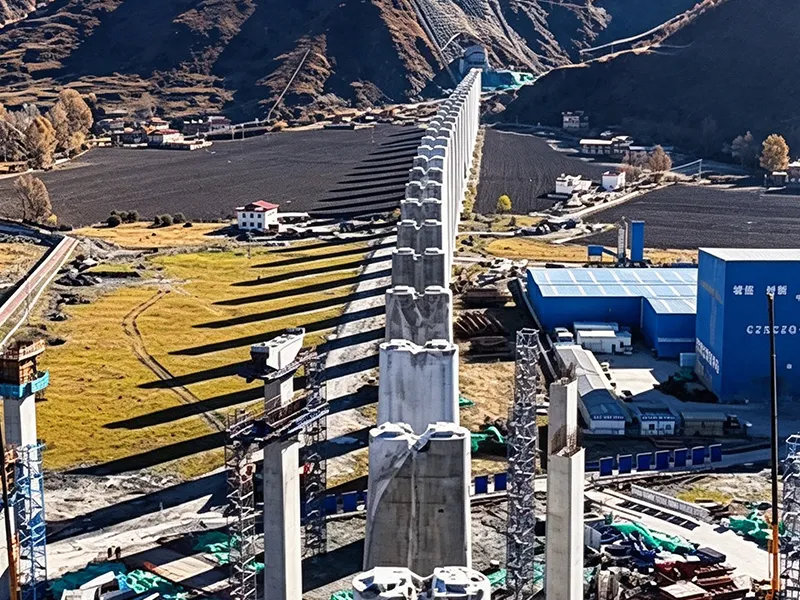
The Sichuan-Xizang Railway of China is hailed as the world’s most challenging mega-project. It starts in Chengdu, Sichuan Province, China, and terminates in Lhasa, Xizang Autonomous Region. The total length of the railway is 1,629 kilometers, with a designed maximum operating speed of 200 km/h. The newly built Ya’an–Nyingchi section of the Sichuan-Xizang Railway runs through Sichuan Province and the Xizang Autonomous Region, with a total project investment of 319.8 billion yuan.
The entire Sichuan-Xizang Railway line includes 198 tunnels with a combined total length of 1,223.451 kilometers, accounting for 70.2% of the full route length. Among them are 46 extra-long tunnels stretching 724.441 kilometers in aggregate.
For sections laid above ground outside tunnels, the minimum ambient temperature drops to approximately -30°C, and the maximum wind force in some areas exceeds Grade 10. For this reason, reinforcing steel products with superior seismic resistance and higher strength grades and specifications are prioritized for construction.
Multiple stretches along the Ya’an–Nyingchi segment sit within earthquake-prone belts. The Sichuan-Xizang Railway traverses the sharply varying topographic zone in the eastern Qinghai-Xizang Plateau, where intense plate collision and tectonic activity create high seismicity. Coupled with high elevations, the construction environment is harsh with rapidly shifting weather. These complex geological and topographical conditions pose immense challenges to the planning and construction of the railway.
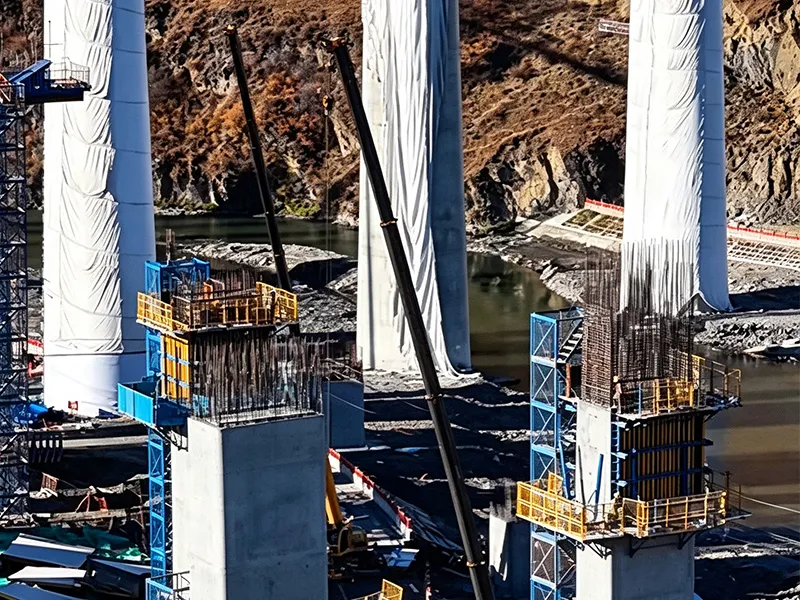
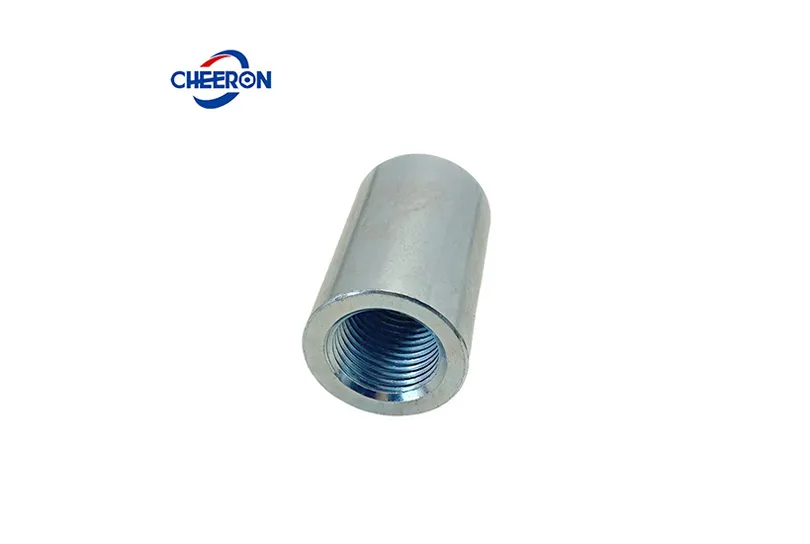
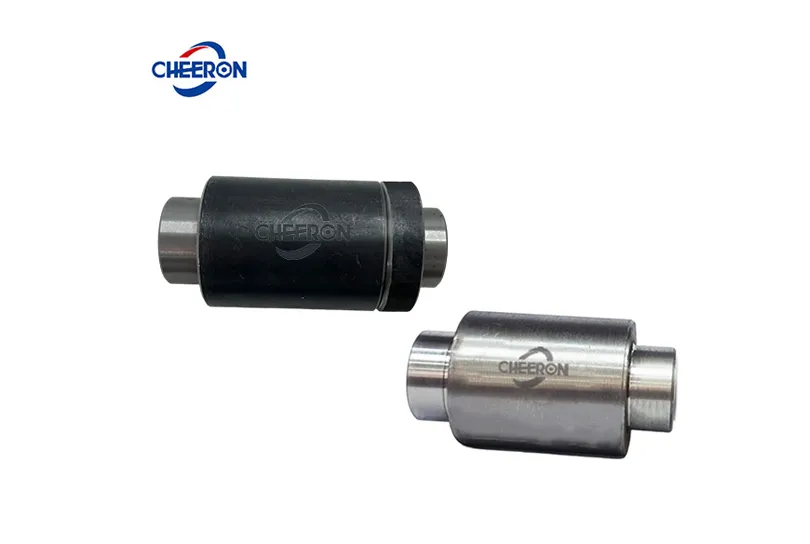
Cheeron entered a partnership with China State Railway Group Co., Ltd. for the Sichuan-Xizang Railway Project, supplying rebar couplers to construction lots along the Ya’an–Nyingchi section. The total supply included more than 300,000 parallel threaded rebar splices and 500,000 cold-extruded rebar splices.
All Cheeron threaded rebar splices comply with Class II international standards for rebar mechanical splices, and deliver yield strength exceeding that of the parent rebar material. Test reports verify their outstanding anti-fatigue performance. The threads form tight mechanical interlocks, maintaining high-strength connections under cyclic loading and seismic excitation.