Selecting the right reinforcement connection solution is an important decision for construction companies, contractors, and engineering teams. Different projects have different requirements for load capacity, installation efficiency, and environmental adaptability, which means not every connection system is suitable for every application. A properly selected one touch coupler can help improve construction efficiency while ensuring stable mechanical performance in various reinforced concrete structures. Unlike choosing a standard construction component based only on size, selecting a suitable mechanical coupler requires consideration of multiple factors, including rebar specifications, material quality, connection performance, and project conditions. Understanding these factors before purchase allows contractors to avoid installation problems and achieve better long-term results.
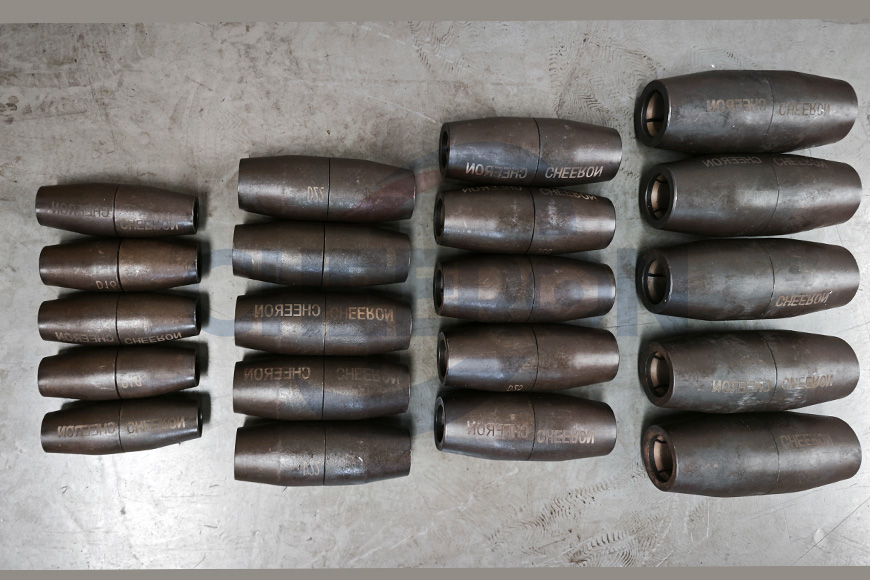
Before purchasing a one touch coupler, it is essential to understand the key specifications that determine whether the product matches the project requirements. A coupler must not only connect reinforcement bars physically but also provide reliable load transfer throughout the service life of the structure.
The first factor to consider is size compatibility.
Reinforcement bars are available in different diameters, and the selected coupler needs to match the specific rebar dimensions used on-site. Using an incorrect size may affect connection performance and create installation difficulties.
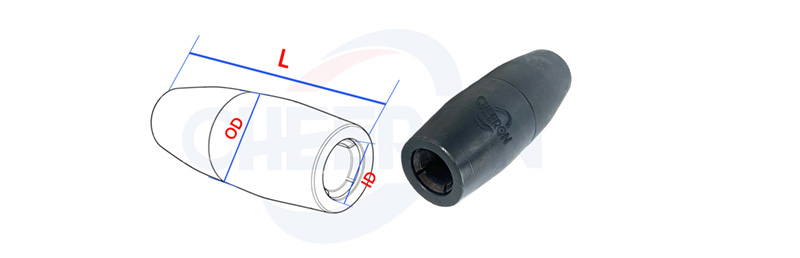
| Size | Out Diameter (mm) | Inner Diameter (mm) | Length (mm) | Weight (kg) | Tensile Strength (Mpa) |
| D12 | 32 | 12.25 | 93 | 0.28 | 800-1000 |
| D16 | 40.3 | 16.25 | 108 | 0.502 | 800-1000 |
| D20 | 46 | 20.11 | 123 | 0.824 | 800-1000 |
| D22 | 51 | 22.2 | 133 | 1.042 | 800-1000 |
| D25 | 56 | 25.2 | 143 | 1.423 | 800-1000 |
| D28 | 64.8 | 28.2 | 166 | 2.13 | 800-1000 |
| D32 | 70 | 32.3 | 170 | 2.578 | 800-1000 |
| D36 | 76.3 | 36.2 | 191 | 3.5 | 800-1000 |
| D40 | 82.8 | 40.4 | 199 | 4.7 | 800-1000 |
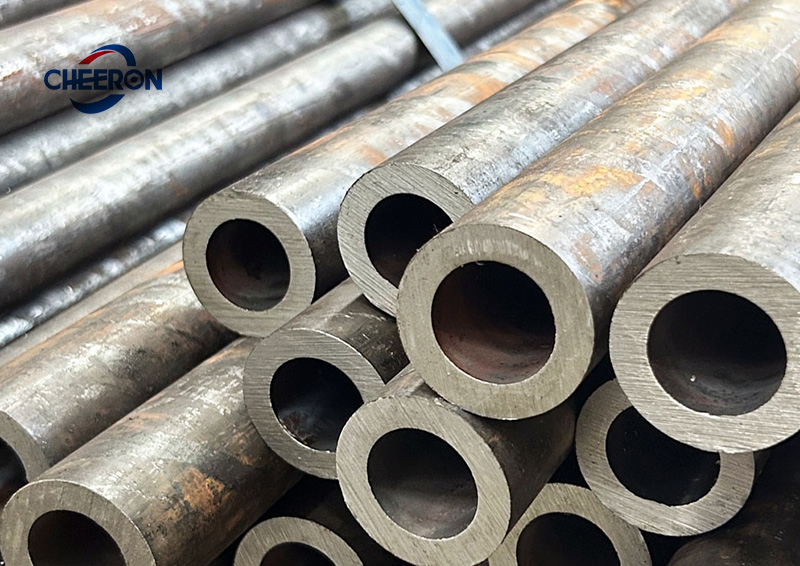
Material selection is another important consideration.
High-quality steel materials help ensure that the coupler can withstand demanding construction conditions, including heavy loads, vibration, and long-term structural stress. The manufacturing quality of the coupler directly influences its durability and reliability.
Strength grade should also be evaluated carefully.
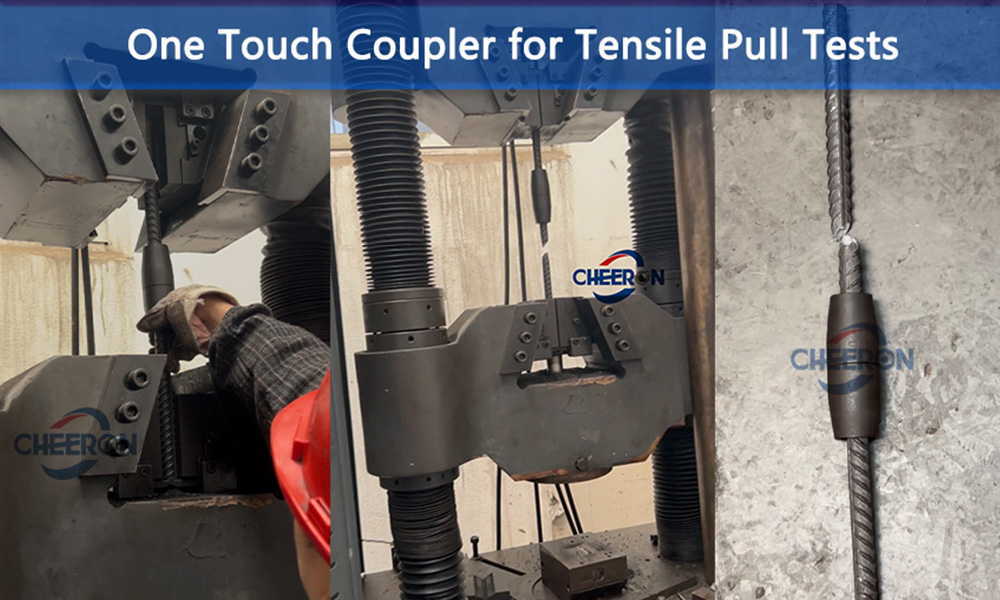
Different buildings and infrastructure projects may have different structural requirements, so the mechanical properties of the one touch coupler should meet the required standards for the reinforcement system.
Compatibility is equally important.
Contractors should confirm that the selected coupler works properly with the reinforcement type, construction method, and installation environment of the project.
| Specification Factor | Consideration Before Purchase |
|---|---|
| Rebar size | Ensure the coupler matches the reinforcement bar diameter used in the project |
| Material quality | Select durable materials suitable for long-term structural applications |
| Strength grade | Confirm that connection performance meets project requirements |
| Compatibility | Check suitability with rebar type and construction conditions |
By reviewing these specifications in advance, buyers can select a one touch coupler that provides both installation convenience and reliable performance.
Different construction applications require different reinforcement connection solutions. A one touch coupler rebar system provides flexibility by supporting a wide range of structural projects where efficient reinforcement assembly is required.
In residential buildings, construction teams often need connection methods that are easy to install while maintaining structural reliability. A suitable coupler can simplify reinforcement work in foundations, columns, and concrete frames.
For commercial structures such as office buildings, shopping centers, and large public facilities, construction schedules are often demanding. Faster reinforcement installation helps contractors maintain progress while reducing delays caused by complex connection procedures.
Bridges and tunnels require reinforcement systems capable of handling heavy structural loads and challenging environments. In these applications, connection reliability is especially important because reinforcement components must maintain stable performance over long service periods.
A well-designed one touch coupler rebar solution can adapt to different project requirements by providing efficient installation and consistent connection quality. Whether used in vertical construction or large infrastructure projects, selecting the appropriate model is essential for achieving optimal results.
Choosing a one touch rebar coupler requires more than checking product dimensions. Construction professionals should evaluate several technical and practical factors before making a purchase decision.
Connection performance is one of the most important considerations. The coupler should provide sufficient mechanical strength and maintain reliable load transfer between connected reinforcement bars. This is especially critical for structures exposed to heavy loads or demanding service conditions.
The installation environment should also influence the selection process. Projects with limited working space, underground conditions, or complex reinforcement layouts may require connection solutions that are easier and faster to install.
Project requirements should always guide the final decision. Factors such as structural design, construction schedule, regional standards, and reinforcement specifications all affect which type of coupler is most suitable.
When evaluating different options, contractors should consider:
Whether the coupler matches the required rebar diameter and grade.
Whether the product performance meets engineering requirements.
Whether the installation method fits the project environment.
Selecting the right one touch rebar coupler helps reduce potential issues during construction and supports better overall project management.
Although mechanical couplers can significantly improve reinforcement efficiency, incorrect purchasing decisions may reduce their effectiveness. Many problems occur because buyers focus only on price instead of evaluating technical suitability.
One common mistake is choosing the wrong size. A coupler that does not properly match the reinforcement bar diameter may create installation problems or affect connection reliability.
Another issue is using products made from poor-quality materials. Since couplers are responsible for transferring structural forces, material strength and manufacturing consistency are essential factors that should not be overlooked.
Selecting products that do not meet required standards is another potential risk. Different regions and construction projects may have specific requirements for mechanical reinforcement connections, so buyers should confirm that the selected product complies with applicable specifications.
Working with an experienced supplier can help avoid these problems. Professional manufacturers can provide technical information and recommend suitable solutions according to project conditions.
Modern construction companies increasingly focus on improving productivity while maintaining quality control. A one touch coupler provides several advantages that make it attractive for reinforcement projects with strict schedules and high installation demands.
One major advantage is faster installation. Compared with more complicated connection procedures, the simplified design allows workers to complete reinforcement connections more efficiently.
Reduced labor requirements are another important benefit. By minimizing manual operations, contractors can improve workforce efficiency and reduce the challenges associated with labor shortages.
Stable performance is also a key reason why contractors choose reliable mechanical connection systems. Consistent manufacturing quality helps ensure that every connection performs according to project expectations.
For large construction projects, even small improvements in connection efficiency can create significant benefits throughout the entire building process. A suitable one touch coupler supports better productivity, easier installation management, and more predictable construction outcomes.
The correct size should be selected according to the diameter and specifications of the reinforcement bars used in the project. Contractors should confirm rebar dimensions before purchasing to ensure proper compatibility.
Some coupler designs can accommodate different reinforcement requirements, but standard models are usually designed for specific rebar sizes. Project engineers should confirm compatibility before selecting a solution.
Yes, one touch couplers can be suitable for underground applications when the product specifications meet project requirements. They are often considered for tunnels, foundations, and other structures where installation space may be limited.
The required standards depend on the project location and construction regulations. Buyers should select couplers that meet relevant mechanical performance requirements and applicable industry standards.