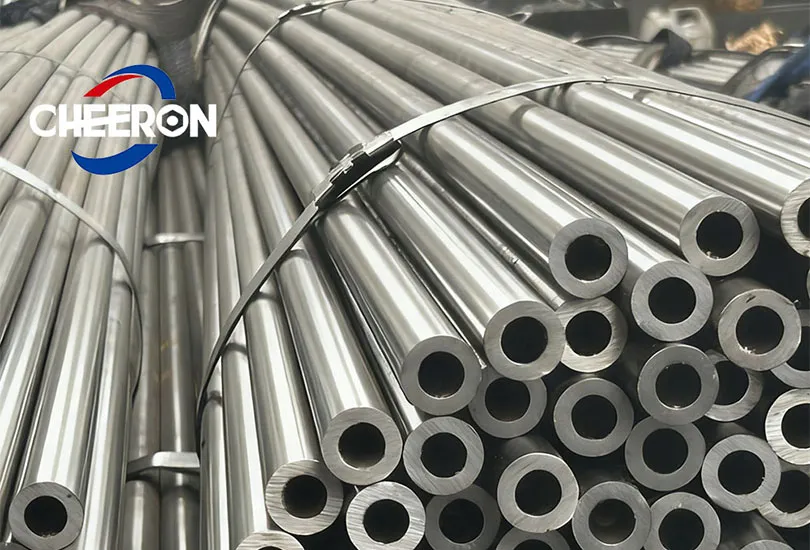
In pile foundation engineering, sonic logging pipes play a crucial role in establishing a dedicated acoustic channel for pile foundation cross-hole sonic logging testing. Sonic Logging Pipes' selection directly determines the accuracy of subsequent pile foundation integrity testing results.
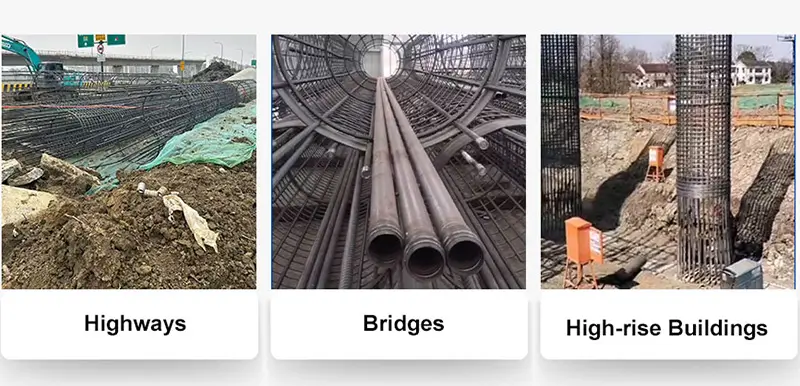
Among common pile foundation testing methods, cross-hole sonic logging (CSL) testing is a common method for detecting structural defects such as broken piles, mud inclusions, and voids, especially in the quality testing of large-diameter cast-in-place piles.
Essentially, a sonic logging pipe is a dedicated "testing channel" pre-embedded inside the concrete structure of the cast-in-place pile.
The function of the sonic logging pipe is to provide a stable, reliable, dedicated sound-wave propagation channel for professional acoustic testing of the integrity of pile foundations.
In engineering practice, without deploying qualified sonic logging pipes, accurate internal quality testing of large-diameter cast-in-place piles is almost impossible to perform smoothly.
Click to learn about cross-hole sonic logging (CSL) testing for pile foundations.
Cheeron is a top sonic logging pipe manufacturer in China, cooperating with many Fortune 500 companies such as China Railway Group Limited and China Communications Construction Company Limited, CHINA RAILWAY CONSTRUCTION GROUP CO..LTD..
Our sonic logging pipes are manufactured using advanced technology and come with international inspection reports and can be customized for your project.
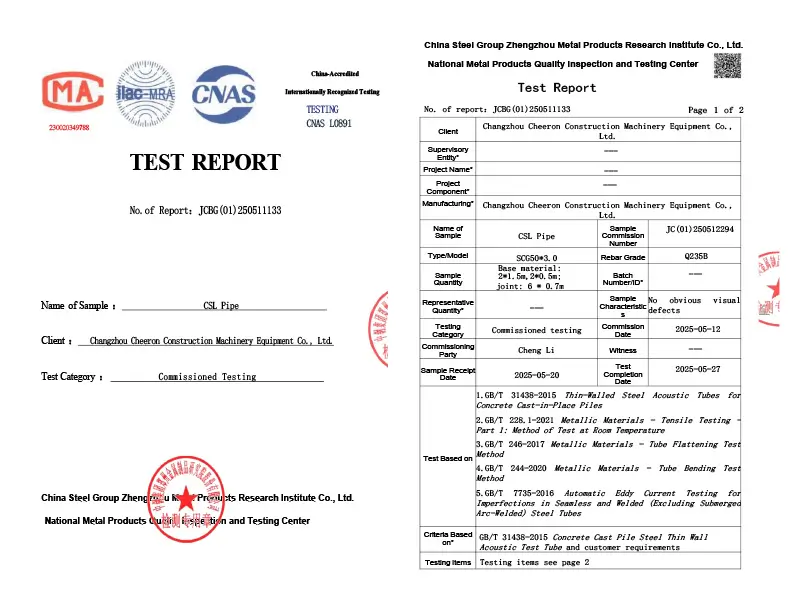
When selecting sonic logging pipes for engineering construction, it is important to consider material specifications, connection methods, and compatibility with the pile foundation. These factors ensure that the chosen pipe meets the specific requirements of the project.
For instance, steel pipes are the most commonly used material for sonic logging pipes in engineering projects. However, in some scenarios, plastic pipes or other materials may also be selected based on project needs.
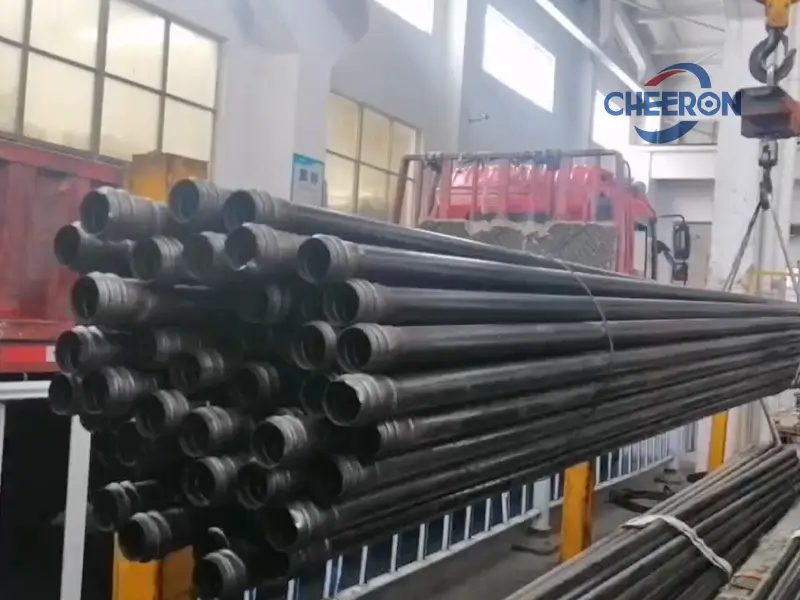
Specifications are usually classified based on outer diameter (common industry standards include 50mm, 57mm, etc.) and wall thickness.
The inner wall of the sonic logging pipe must be smooth and flat.
A rough inner wall will cause sound wave reflection disorder, thus interfering with the test data.
| Outer Diameter/mm | Wall Thickness/mm | Length/m | Tensile Strength/Mpa | Elongation/% |
| 50 | 1-3 | 3-12 | ≥315 | ≥14 |
| 53 | 1-3 | 3-12 | ||
| 57 | 1-3 | 3-12 | ||
| 60 | 1-3 | 3-12 |
Note: General standards should not be blindly followed.
The outer diameter and wall thickness of the sonic logging pipe should be based on:
2. The actual geological conditions of the project site.
For example, pile foundations built in rock strata require pipes with good wear resistance; therefore, thicker-walled sonic logging pipes are needed.
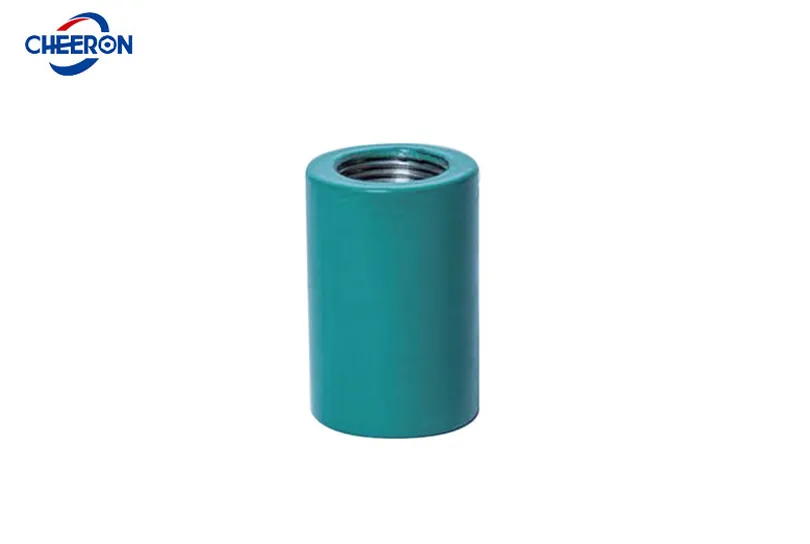
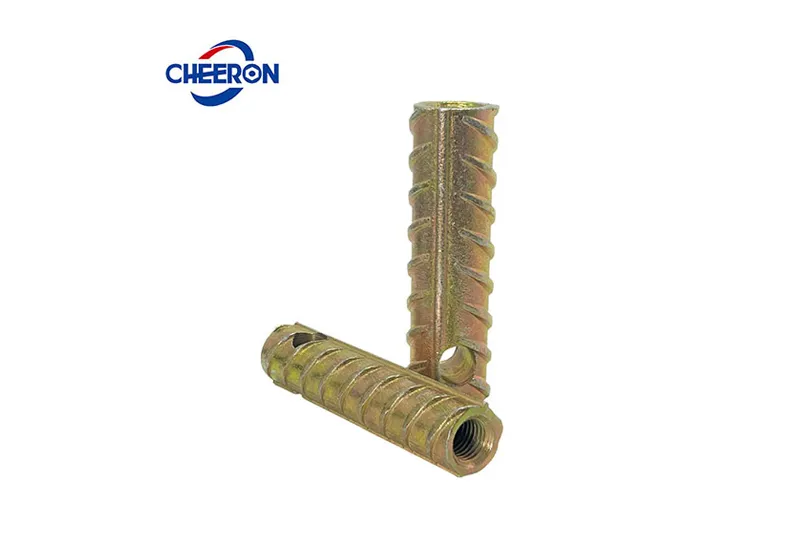
Due to limitations in transportation and installation processes, sonic logging pipes must be installed in sections. The choice of connection method between different pipe sections directly affects the final testing results.
Similar to rebar splices, the connection of sonic logging pipes is crucial. All connection joints must be completely sealed, and the interfaces must be smooth and regular.
Regarding issues with sonic logging pipe connections:
This can easily lead to cement slurry leakage into the pipe or create acoustic blind spots that interfere with sound wave propagation.
This can severely interfere with sound wave propagation, directly reducing the accuracy of final pile foundation testing results.
Cheeron offers four different types of sonic logging pipes based on their connection methods:
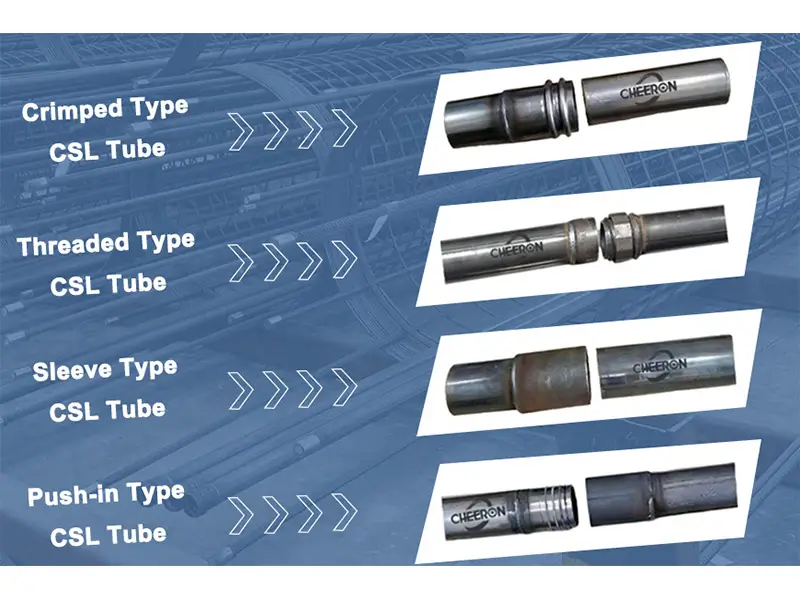
Threaded-type Sonic Logging Pipe
Sleeve-type Sonic Logging Pipe
crimp-type Sonic Logging Pipe
Push-in Sonic Logging Pipe
You can visit the Cheeron sonic logging pipe page to learn more about their usage characteristics.
The total length of the sonic logging pipes must precisely match the design pile length of the corresponding pile foundation.
Note that during construction, to facilitate the subsequent installation of the testing probe by testing personnel, the sonic logging pipes typically need a 50-100 cm margin extending beyond the top of the pile.
The total number must be determined based on the actual diameter of the pile foundation to ensure that the test covers the entire cross-section of the pile.
Are you still looking for a suitable sonic logging tube manufacturer partner? Contact Cheeron for a high-quality quote and service at an excellent price.