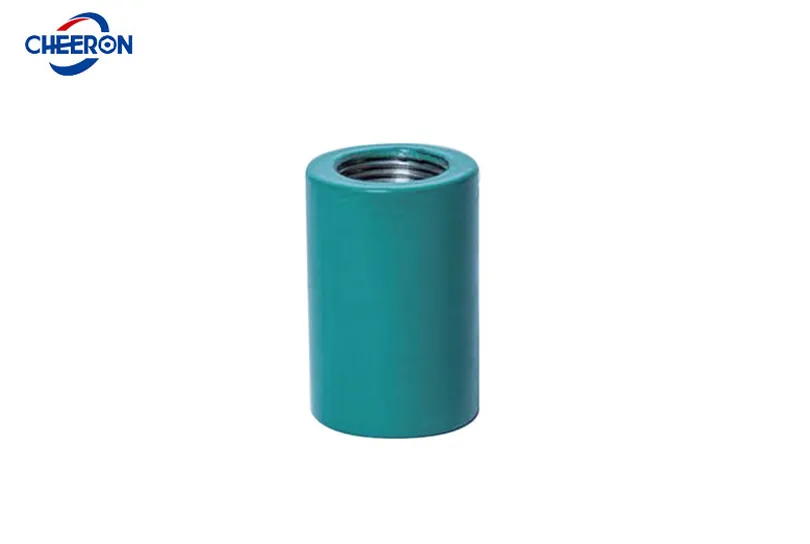
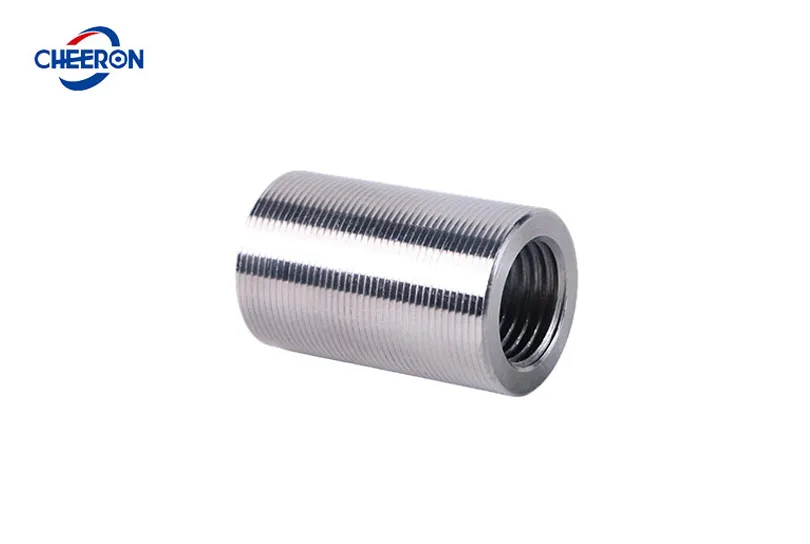
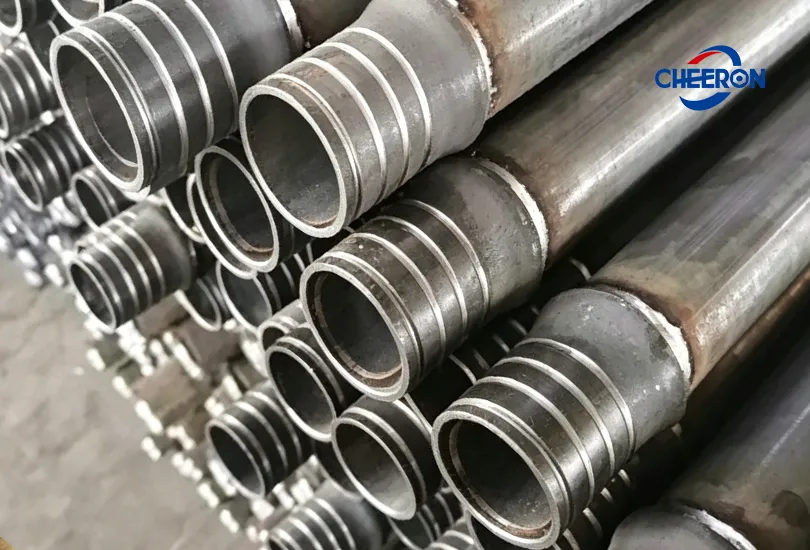
A rebar coupler is a mechanical splice used to join two reinforcing bars end to end without relying on lap splicing or welding. In reinforced concrete construction, it helps engineers maintain load transfer, reduce reinforcement congestion, and improve installation efficiency in projects such as high-rise buildings, bridges, tunnels, and precast structures.
In this guide, we explain what a rebar coupler is, how it works, the main types available, and how to choose the right one for your project. We also compare rebar couplers with lap splices and outline the testing standards that matter most for structural performance and quality control.
What Is a Rebar Coupler?
A rebar coupler, also known as a mechanical splice or reinforcement coupler, is a precision-engineered component designed to connect two reinforcing bars (rebars) end-to-end. Unlike traditional lap splicing or welding, rebar couplers create a strong, reliable mechanical joint that transfers both tensile and compressive forces efficiently across the connection. At its core, a rebar coupler functions as a mechanical splice. It ensures full continuity of the reinforcement system, maintaining the structural integrity of concrete elements under various loading conditions. This technology has revolutionized modern construction by addressing many limitations of conventional methods.
Key Functions of Rebar Couplers:
Tension Continuity: Effectively transfers pulling forces between connected bars.
Compression Continuity: Maintains load-bearing capacity under compressive stresses.
Structural Integrity: Provides a monolithic-like connection that enhances overall building performance.
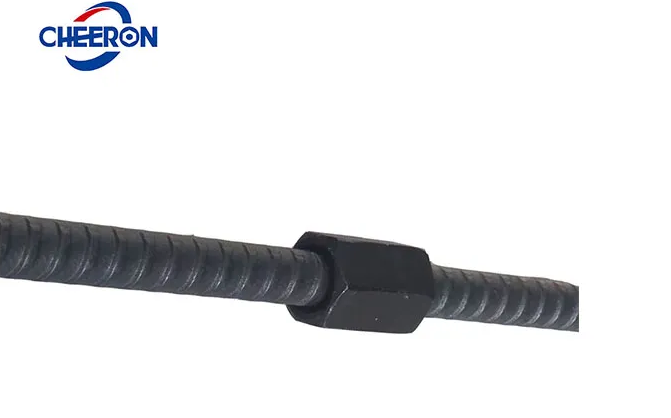
Why Are Rebar Couplers Used in Reinforced Concrete Structures?
Traditional reinforcement connection methods have significant drawbacks that rebar couplers effectively overcome. In high-demand construction projects, engineers and contractors increasingly prefer mechanical splicing for its reliability and efficiency. Lap splicing, the most common traditional method, requires substantial overlapping of bars, leading to steel wastage, reinforcement congestion in critical zones, and increased concrete volume. Welding, while providing continuity, demands highly skilled labor, introduces heat-affected zones that can weaken the steel, and poses safety risks on site.
| Method | Material Usage | Strength | Installation Speed |
|---|
| Lap Splice | High | Medium | Medium |
| Welding | Medium | Medium | Slow |
| Rebar Coupler | Low | High | Fast |
Rebar couplers have become the mainstream solution for high-rise buildings, bridges, tunnels, nuclear facilities, and other critical infrastructure projects. They reduce congestion in beam-column joints, improve concrete placement quality, and accelerate construction schedules significantly.
How Does a Rebar Coupler Work?
The working principle of rebar couplers is straightforward yet highly effective. The process ensures a robust connection capable of developing the full strength of the rebar.
Step 1: Prepare Rebar Ends
Cut and clean the rebar ends to ensure proper threading or connection surface.Step 2: Create Threads
Thread the bar ends using specialized machines (for threaded couplers).Step 3: Install Coupler
Screw or position the coupler onto the prepared rebar ends.Step 4: Torque Tightening
Apply specified torque to achieve full engagement and lock the connection.Step 5: Load Transfer
The coupler sleeve transfers forces seamlessly between the two bars.Types of Rebar Couplers
Different construction scenarios require specialized coupler designs. Understanding the various types helps engineers select the most suitable solution.
Threaded Rebar Coupler
The most widely used type in modern construction. Threaded couplers provide excellent strength and are suitable for buildings, bridges, and major infrastructure projects. They develop full bar strength and offer reliable performance under both static and dynamic loads.
Parallel Thread Rebar Coupler
These couplers feature parallel threads that ensure full strength development. They are easy to install, cost-effective, and provide consistent performance across various bar diameters. Ideal for general construction where speed and reliability matter.
Taper Thread Rebar Coupler
Characterized by quick engagement and high alignment accuracy. The tapered design allows faster assembly and is particularly useful in heavy structures where precise positioning is critical.
MBT Coupler
No threading required — these couplers use bolts to grip the rebar. Perfect for retrofit projects, repair work, and situations where bar ends cannot be threaded.
Grout Coupler
Designed specifically for precast construction and prefabricated buildings. These couplers use high-strength grout to achieve the connection, offering excellent performance in modular construction.
Position Coupler
Used in cage assembly and fixed reinforcement scenarios where access is restricted. They accommodate bars that cannot be rotated during installation.
| Coupler Type | Thread Needed | Primary Applications |
|---|
| Parallel Thread | Yes | General Construction |
| Taper Thread | Yes | Heavy Structures |
| MBT | No | Repair & Retrofit |
| Grout | No | Precast Construction |
| Position | Yes | Restricted Space |
Advantages of Using Rebar Couplers
Reduces Steel Consumption
By eliminating long lap lengths, rebar couplers can save 20-40% or more on reinforcement steel, depending on project design. This translates directly into significant material cost savings.
Eliminates Reinforcement Congestion
Fewer overlapping bars mean better concrete flow and compaction, reducing honeycombing and improving the quality of the finished concrete element.
Improves Structural Performance
Mechanical splices develop 100% of the bar's specified tensile strength, providing superior performance compared to many lap splice designs, especially in seismic zones.
Faster Construction
Installation is significantly quicker than welding or tying laps, accelerating the overall project timeline.
Lower Total Project Cost
Although the unit cost of couplers is higher, overall project savings from reduced steel, faster installation, and improved quality often result in net cost reduction.
Rebar Coupler Applications
High-Rise Buildings
In tall structures, rebar couplers reduce congestion in columns and walls while maintaining structural continuity across floors.
Bridges
Critical for bridge piers, girders, and deck connections where high load transfer and durability are essential.
Tunnels
Used extensively in tunnel linings and segmental construction where space is limited and waterproofing integrity matters.
Nuclear Power Plants
Stringent quality and safety requirements make mechanical splices the preferred choice in nuclear facilities.
Precast Construction
Grout and mechanical couplers enable rapid assembly of prefabricated elements with reliable connections.
| Project Type | Recommended Coupler |
|---|
| High Rise | Threaded / Parallel |
| Bridge | Threaded |
| Tunnel | MBT / Position |
| Precast | Grout |
| Repair Work | MBT |
Rebar Coupler Testing and Quality Standards
Quality assurance is critical for rebar couplers. Reputable manufacturers subject their products to rigorous testing protocols.
Key Tests Include:
Tensile Test: Verifies ultimate strength exceeds rebar requirements.
Slip Test: Measures movement under load to ensure tight connection.
Fatigue Test: Assesses performance under cyclic loading.
Cyclic Loading Test: Simulates seismic conditions.
Material Composition Test: Ensures proper metallurgy.
International standards such as ISO 15835, BS 8597, ACI 318, and IS 16172 govern the manufacturing and performance requirements for rebar couplers.
How to Choose the Right Rebar Coupler?
Selection depends on multiple factors including rebar diameter, project type, installation conditions, and budget constraints. Professional consultation is recommended for complex projects.
| Requirement | Recommended Coupler |
|---|
| Fast Installation | Taper Thread |
| Precast Construction | Grout |
| Repair / Retrofit | MBT |
| High Strength | Parallel Thread |
Rebar Coupler vs Lap Splice: Which Is Better?
| Criteria | Rebar Coupler | Lap Splice |
|---|
| Steel Usage | Low | High |
| Strength | High (Full bar strength) | Medium |
| Labor Cost | Low | High |
| Concrete Flow | Better | Worse |
| Installation Time | Fast | Slow |
For most large-scale and performance-critical projects, rebar couplers provide superior structural performance, lower material consumption, and faster installation compared with conventional lap splicing.
Frequently Asked Questions
What is the purpose of a rebar coupler?
To create a strong mechanical connection between two reinforcing bars, ensuring continuous load transfer without relying on concrete bonding or welding.Are rebar couplers stronger than lap splices?
Yes, properly designed and installed rebar couplers typically develop the full tensile strength of the rebar, often outperforming lap splices.Can rebar couplers be used in seismic zones?
Absolutely. Many couplers are specifically tested and approved for seismic applications due to their superior cyclic loading performance.How much steel can be saved by using couplers?
Savings typically range from 20% to 50% depending on bar diameters and structural design requirements.What standards govern rebar couplers?
Key standards include ISO 15835, BS 8597, ACI 318, and various national codes such as IS 16172.Why Choose Cheeron Rebar Couplers?
With over 20 years of manufacturing experience, Cheeron has established itself as a trusted supplier of high-quality rebar coupling systems. Our production facilities are ISO-certified and equipped with advanced CNC machinery for precision manufacturing. Cheeron offers a complete range of solutions including threaded couplers, MBT couplers, grout couplers, and position couplers. We support OEM and custom manufacturing to meet specific project requirements.
Conclusion
Rebar couplers have become the preferred reinforcement connection method for modern construction projects due to their strength, efficiency, and cost-saving benefits. Whether for skyscrapers, bridges, tunnels, or precast structures, selecting the right coupler system can significantly improve project performance and reduce construction costs. Looking for a reliable rebar coupler manufacturer? Cheeron provides certified rebar coupling systems for global infrastructure and construction projects. Contact our technical team for project-specific recommendations and solutions. Comprehensive guide to rebar couplers • Updated for construction professionals in 2026