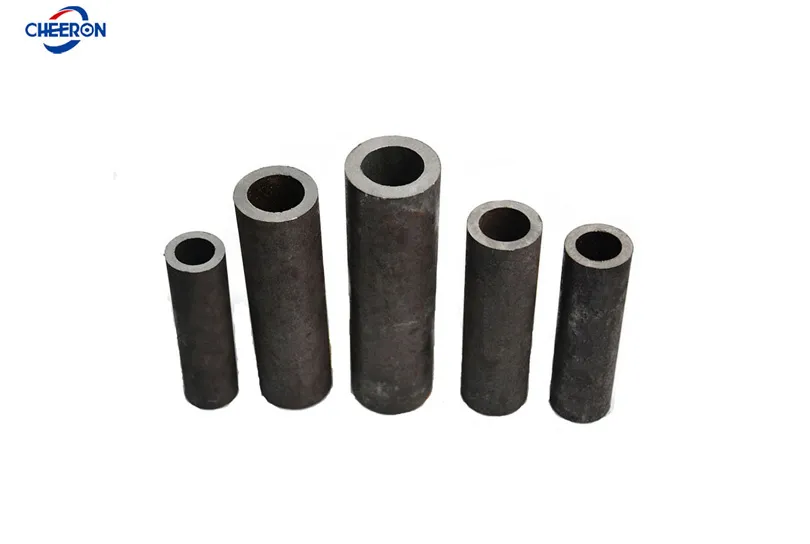
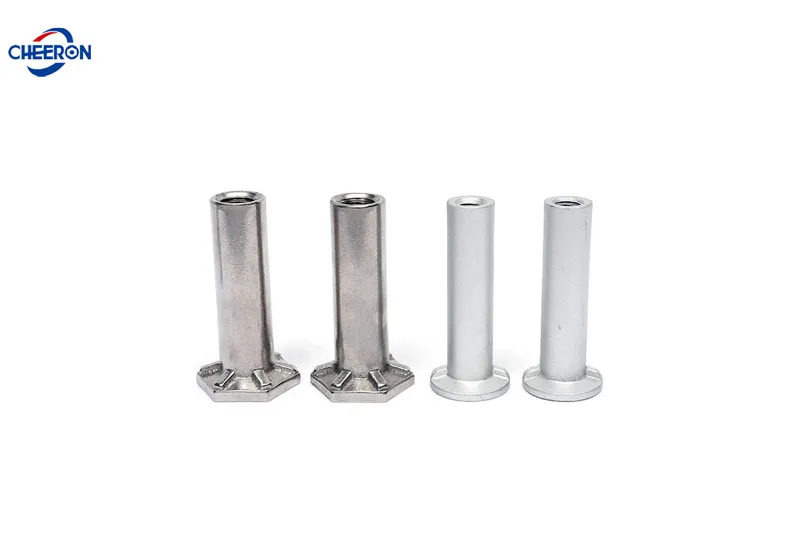
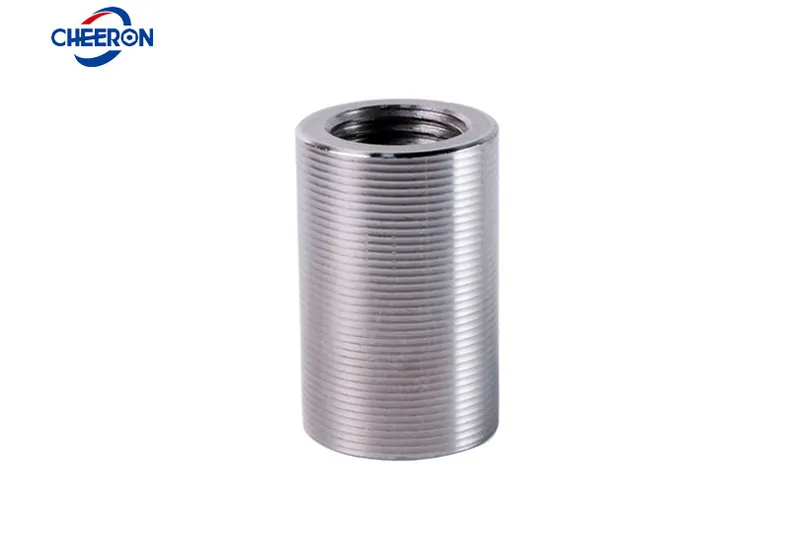
MBT coupler is a mechanical rebar splicing solution designed for projects where traditional threading or welding is difficult, time-consuming, or impractical. It is especially useful in retrofit work, confined spaces, and situations involving existing reinforcement, where engineers need a fast and reliable way to connect reinforcing bars without disrupting the structure. In this guide, you will learn what an MBT coupler is, when to use it, and how to select the right type for your construction project. We will also cover key selection factors such as rebar diameter, load requirements, environmental conditions, and compliance standards so you can choose a coupler that fits both design and site conditions.
An MBT Coupler, or Mechanical Bolt Termination Coupler, is a robust mechanical splice system designed to connect reinforcing bars (rebars) using high-strength locking bolts instead of threading the bar ends. This innovative approach eliminates the need for on-site threading or welding, making it particularly valuable in challenging construction environments. Unlike traditional threaded couplers that require precise machining of rebar ends, MBT couplers grip the plain or deformed bars directly through multiple torque-controlled bolts. This design ensures reliable load transfer while simplifying installation significantly.
No threading required: Ideal when bar ends cannot be processed.
No welding required: Reduces safety risks and heat-affected zone concerns.
Suitable for existing reinforcement: Perfect for retrofit and repair scenarios.
Fast installation: Can be completed quickly with standard tools.
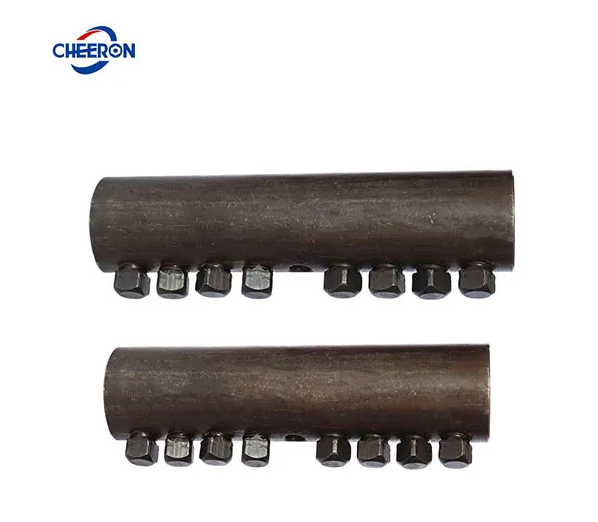
MBT couplers shine in situations where conventional connection methods prove difficult or impractical. Their bolt-based gripping mechanism makes them versatile across diverse construction challenges.
In renovation and strengthening of existing structures, MBT couplers allow connection to already-embedded reinforcement without cutting out large sections of concrete or attempting to thread bars in place. This capability is invaluable for bridge widenings, building extensions, and seismic retrofits.
Whether reinforcing damaged bridge piers or extending structural elements, MBT couplers provide a practical solution when access is limited and traditional lap splicing would create excessive congestion.
In beam-column joints or heavily reinforced walls, MBT couplers reduce steel overlap requirements, improving concrete placement and structural integrity.
When bars are already fixed, have limited protrusion, or site conditions prevent use of threading machines, MBT couplers offer a reliable alternative.
| Project Situation | MBT Coupler Recommended |
|---|---|
| New Construction | Optional |
| Retrofit Projects | Highly Recommended |
| Bridge Repair | Highly Recommended |
| Existing Structures | Best Choice |
| Precast Factory | Usually Not Required |
The most critical factor is matching the coupler precisely to the rebar diameter. Using an undersized or oversized coupler compromises grip and load transfer. Common sizes include 12mm, 16mm, 20mm, 25mm, 32mm, and 40mm. Always verify the actual bar diameter, as tolerances can vary slightly by manufacturer.
Engineers must ensure the coupler achieves at least 100% of the rebar’s yield strength and preferably full ultimate tensile strength. For standard buildings, a basic MBT may suffice, but bridges, seismic zones, and critical infrastructure demand couplers tested to higher performance levels.
| Requirement | Recommendation |
|---|---|
| Standard Building | Standard MBT |
| Bridge Project | Full Strength MBT |
| Seismic Zone | High Performance MBT |
Modern projects use high-strength rebars such as Grade 500, 550, or even 600 MPa. The MBT coupler must be rated for the specific grade to prevent premature failure. Mismatched grades can lead to the coupler becoming the weak link in the reinforcement chain.
In tight spaces or when bars cannot be rotated, MBT couplers demonstrate clear advantages. Their bolt-tightening mechanism works effectively even with limited clearance, making them ideal for densely packed reinforcement cages.
Coastal, marine, chemical plant, or underground applications require enhanced corrosion protection. Look for galvanized, epoxy-coated, or stainless steel MBT couplers depending on exposure severity. Proper surface treatment significantly extends service life in aggressive environments.
Quality MBT couplers must meet rigorous global benchmarks to ensure safety and performance. Key standards include ISO 15835 (international), BS 8597 (UK), ACI 318 (USA), and Eurocode 2 (Europe). Certification provides assurance of consistent manufacturing quality and tested performance.
| Standard | Region |
|---|---|
| ISO 15835 | Global |
| BS 8597 | UK |
| ACI 318 | USA |
| Eurocode 2 | Europe |
Choose suppliers with proven factory capabilities, strict quality control systems, necessary certifications, and extensive export experience. Reliable manufacturers provide technical support, test reports, and long-term product consistency.
Accurate sizing is fundamental to performance. The following chart provides general guidance for standard applications.
| Rebar Diameter | Recommended MBT Coupler |
|---|---|
| 12 mm | MBT-12 |
| 16 mm | MBT-16 |
| 20 mm | MBT-20 |
| 25 mm | MBT-25 |
| 32 mm | MBT-32 |
| 40 mm | MBT-40 |
| Feature | MBT Coupler | Threaded Coupler |
|---|---|---|
| Bar Threading | No | Yes |
| Installation Speed | Fast | Fast |
| Existing Structures | Excellent | Difficult |
| Cost | Higher | Lower |
| New Construction | Good | Excellent |
| Retrofit Projects | Best Choice | Limited |
For new construction projects with good access, threaded couplers are often preferred. However, use MBT couplers for retrofit, repair, and situations where rebar threading is not practical.
While budget matters, the cheapest option rarely delivers the best long-term value. Low-cost couplers may fail to meet strength or durability requirements.
Failing to match coupler performance to the specific rebar grade is a frequent and dangerous oversight.
Not verifying tensile and fatigue performance against structural demands can lead to connection failure under service loads.
Using couplers without proper testing and certification risks project rejection during inspections.
Widely used in high-rise column extensions and seismic retrofitting of older buildings.
Essential for strengthening existing bridge structures without major disruption.
Ideal for segmental lining repairs and reinforcement connections in confined spaces.
| Industry | MBT Suitability |
|---|---|
| High-Rise Buildings | Yes |
| Bridges | Excellent |
| Tunnels | Excellent |
| Power Plants | Excellent |
| Marine Structures | Excellent |
Cheeron combines engineering expertise with advanced manufacturing to support contractors and engineers in making optimal coupler selections. Our team offers comprehensive technical assistance, from initial sizing recommendations to full project compliance support. With a complete MBT size range, international standard compliance, and OEM manufacturing capabilities, Cheeron delivers reliable solutions backed by rigorous quality control and years of global project experience.
| Question | Answer |
|---|---|
| What is an MBT coupler? | A mechanical splice that joins rebars without threading or welding. |
| When should it be used? | Retrofit, repair, and inaccessible reinforcement areas. |
| Most important selection factor? | Rebar diameter and load capacity. |
| Standards to check? | ISO 15835, BS 8597, ACI 318. |
| MBT or Threaded? | MBT for retrofit, threaded for new construction. |
Selecting the right MBT coupler is critical for ensuring structural safety, installation efficiency, and long-term project performance. By carefully evaluating rebar size, load requirements, environmental conditions, and compliance standards, engineers and contractors can choose the most suitable coupler system for their projects. For retrofit and repair applications where threading is not feasible, MBT couplers remain one of the most reliable mechanical splicing solutions available today.