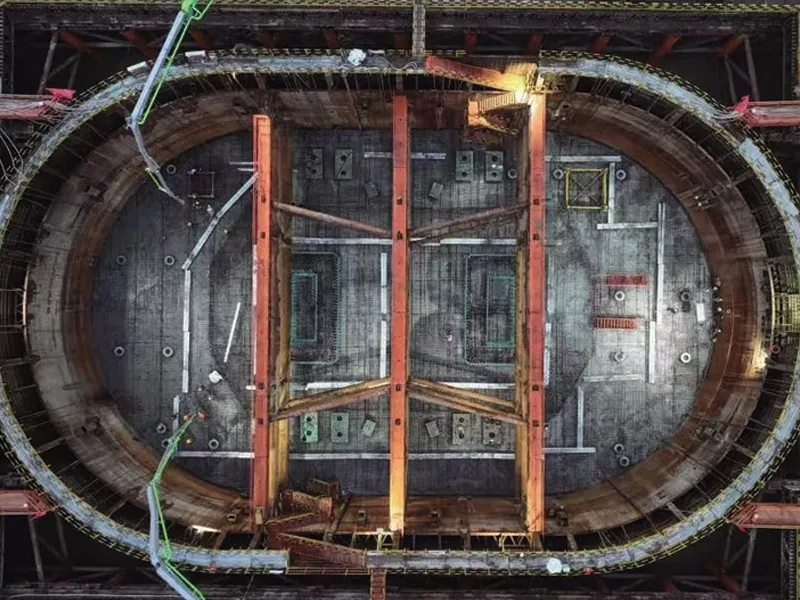
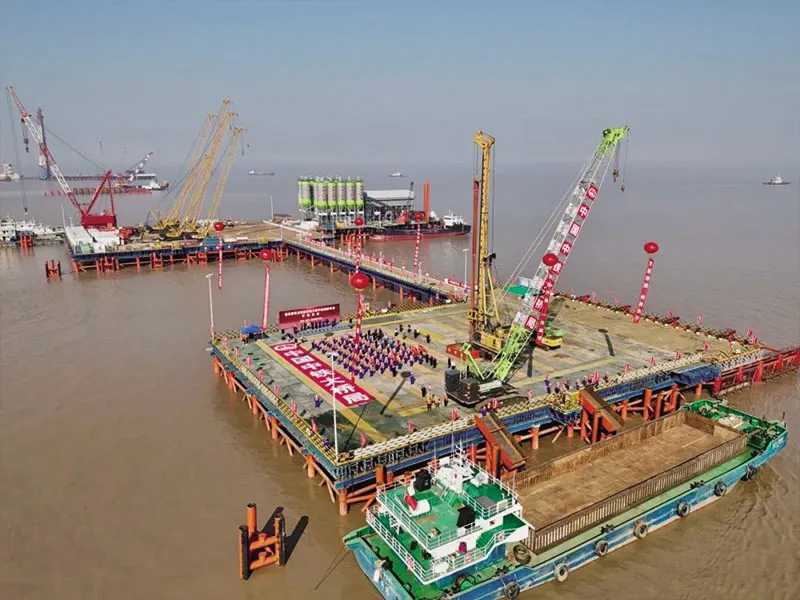
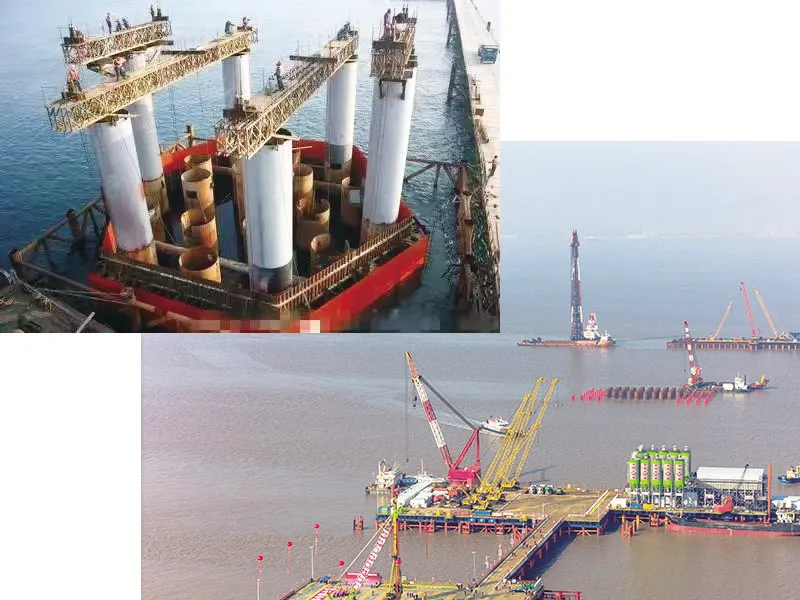
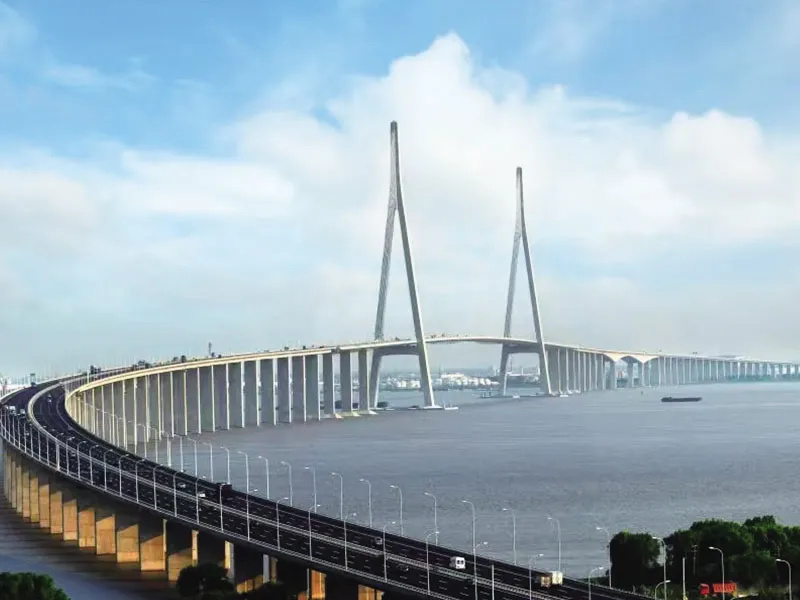
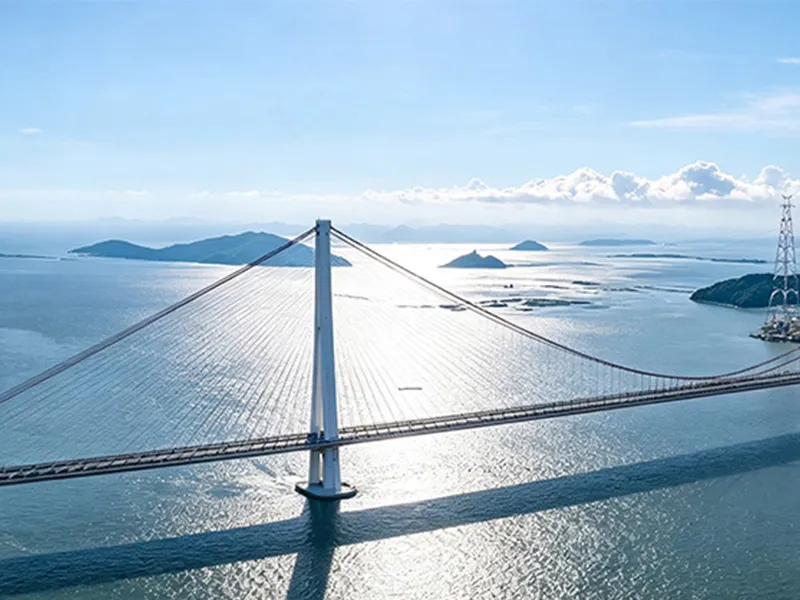
The Hangzhou Bay Bridge is 36 km long, with the bridge itself spanning 35.673 km, making it the longest cross-sea bridge in the world. Designed for a service life of 100 years, the main structure consists primarily of concrete, except for the south and north navigation channel bridges, which use steel box girders.
The Hangzhou Bay, where the bridge is located, is one of the world’s three major tidal bays, characterized by strong winds, large waves, significant tidal differences, and rapid currents. The measured chloride ion (Cl-) content in the seawater ranges from 5.54 to 15.91 g/L, with a pH greater than 8, indicating weakly alkaline Cl-Na type saline water. Chloride corrosion is the primary factor affecting the durability of concrete structures in this area.
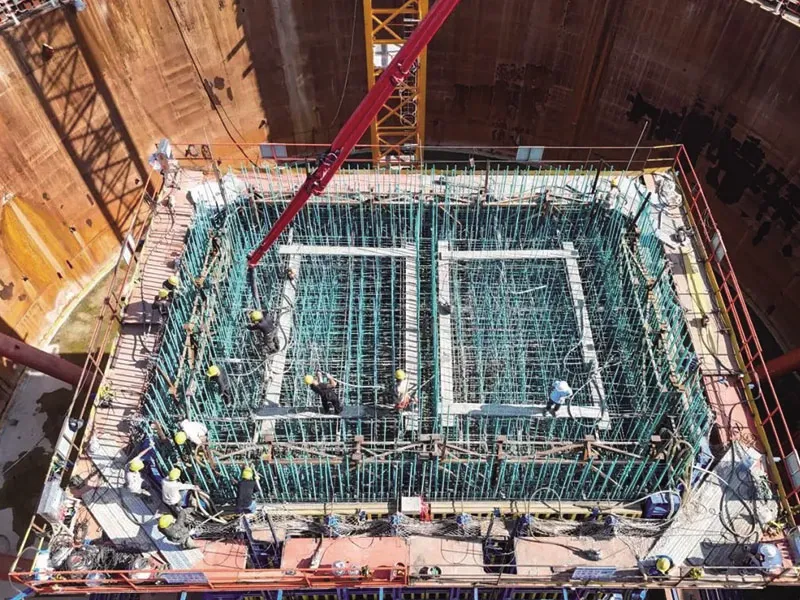
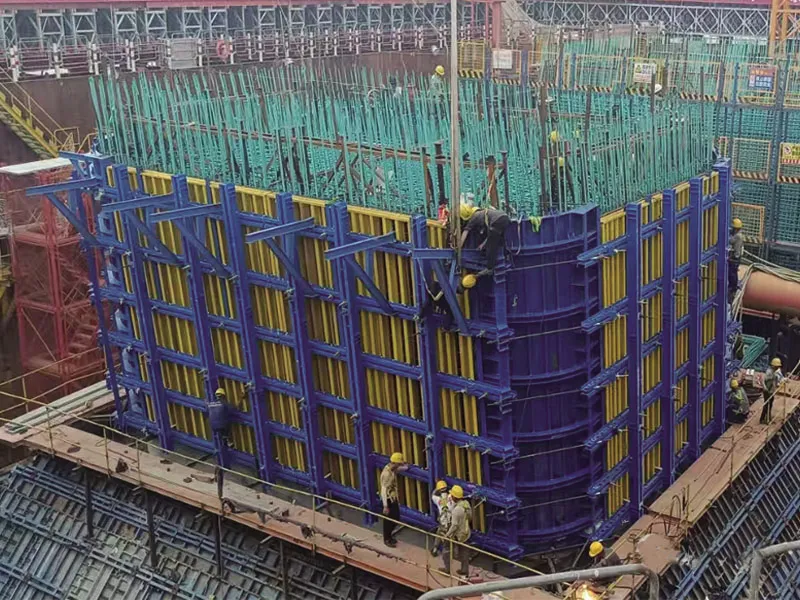
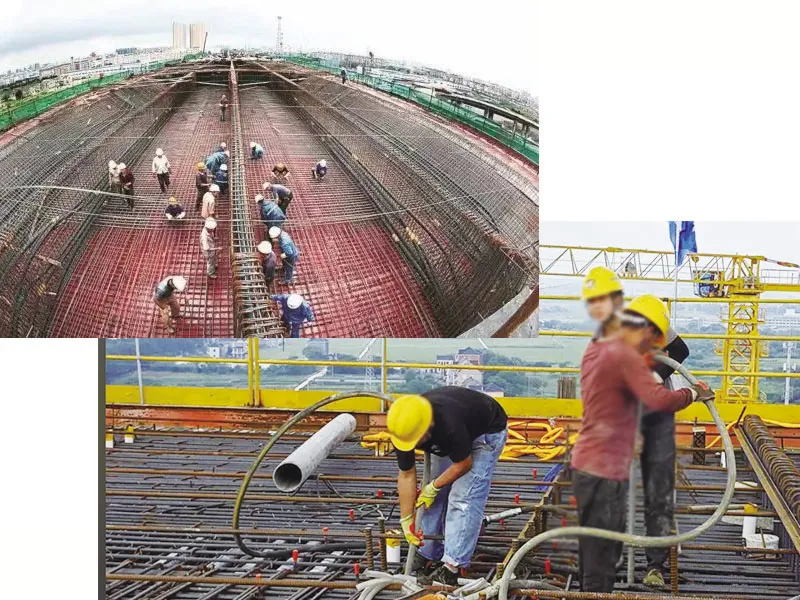
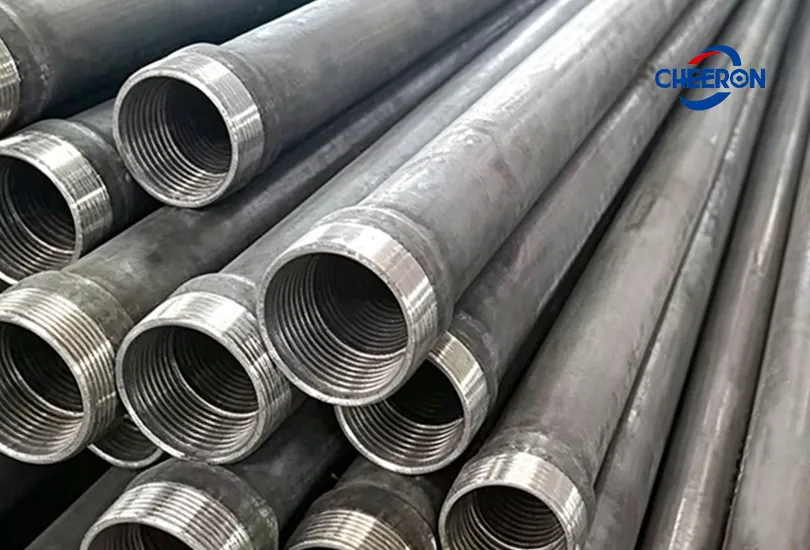
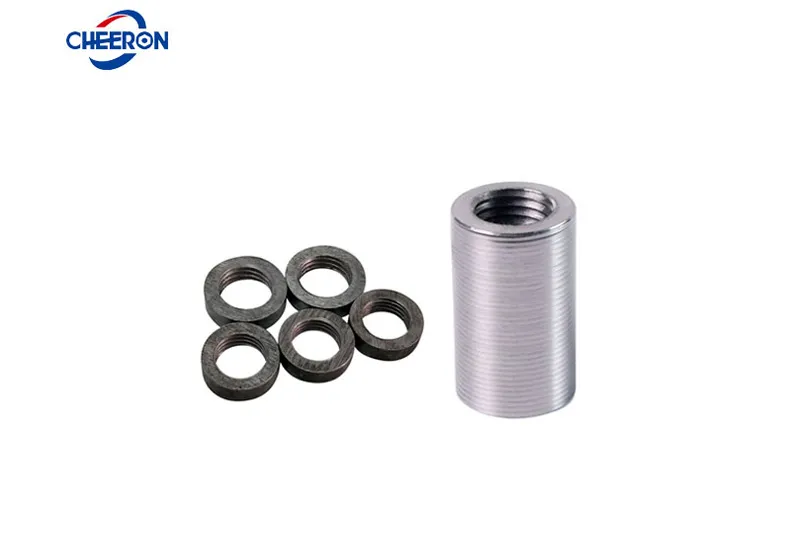
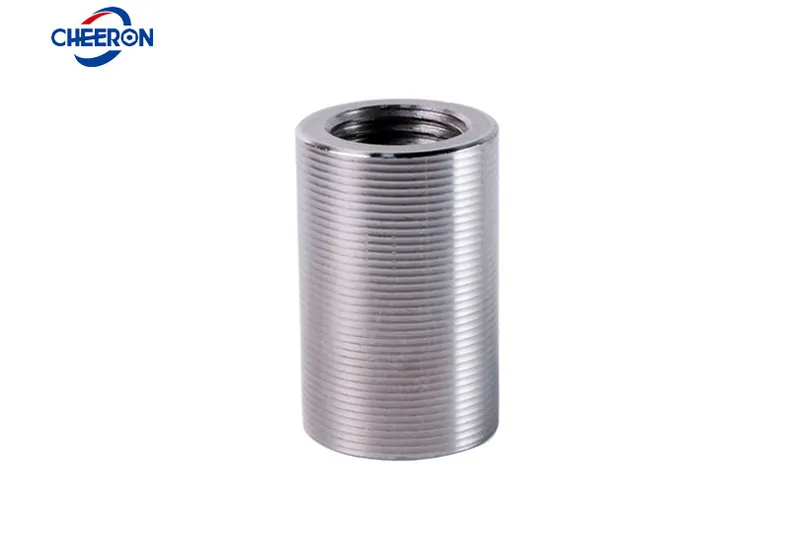
To achieve the bridge's 100-year design life, innovative crimping rebar coupler and epoxy coated rebar coupler connection systems were employed in critical components such as piers and main beams, significantly enhancing structural durability and construction efficiency.
Mechanical cold-extruded joints were used to connect the main rebars to the foundation cap rebars, with the joint sleeves coated with epoxy resin as per specifications before use.
To reduce rebar material waste and on-site welding, the traditional method of welding internal supports in rebar cages was replaced with sleeve connections, allowing for easy assembly and disassembly. This change alone saved 85.3 tons of rebar and reduced costs by 341,000 yuan.
Ultra-Long Lifespan: Designed for a service life of ≥100 years (three times longer than standard sleeves).
Insulation and Anti-Corrosion: Completely prevents electrochemical corrosion of rebars, particularly suitable for splash zones.
Cost Reduction: Reduces rebar connection maintenance costs in splash zones by 90% (over the full life cycle).
Silent Construction: No sparks or noise, enabling nighttime construction without ecological disturbance.