- En
-
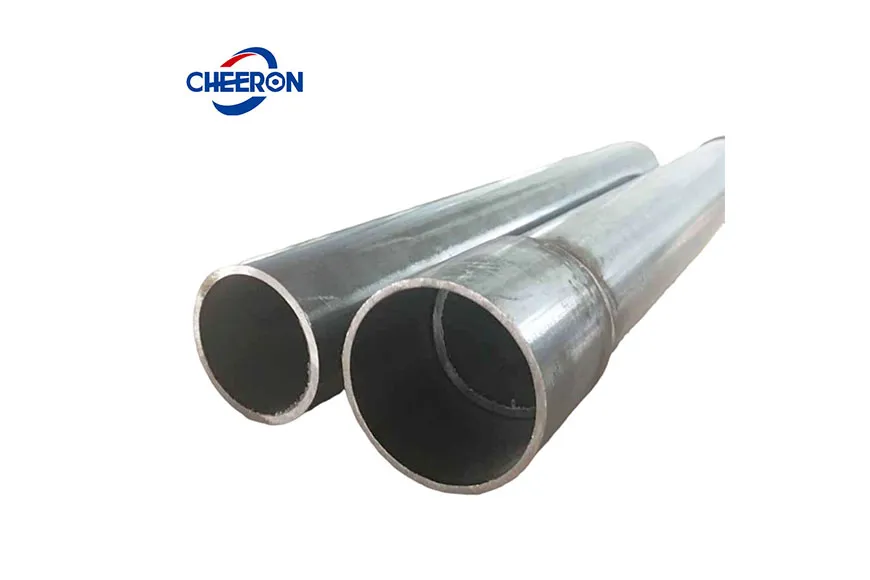
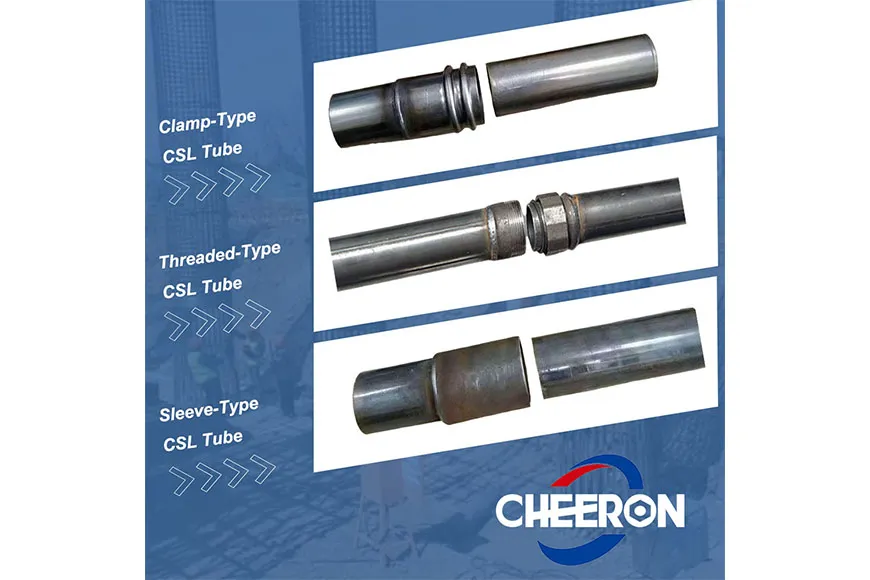
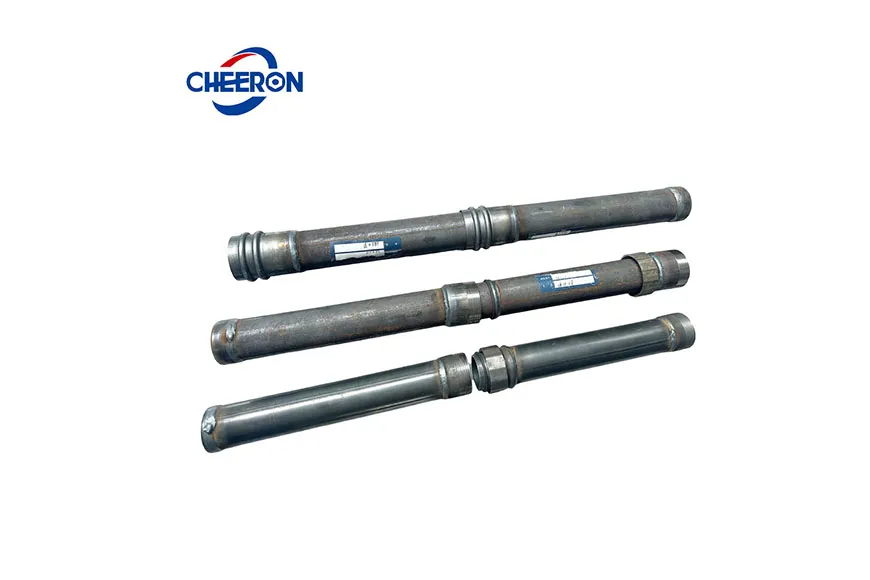
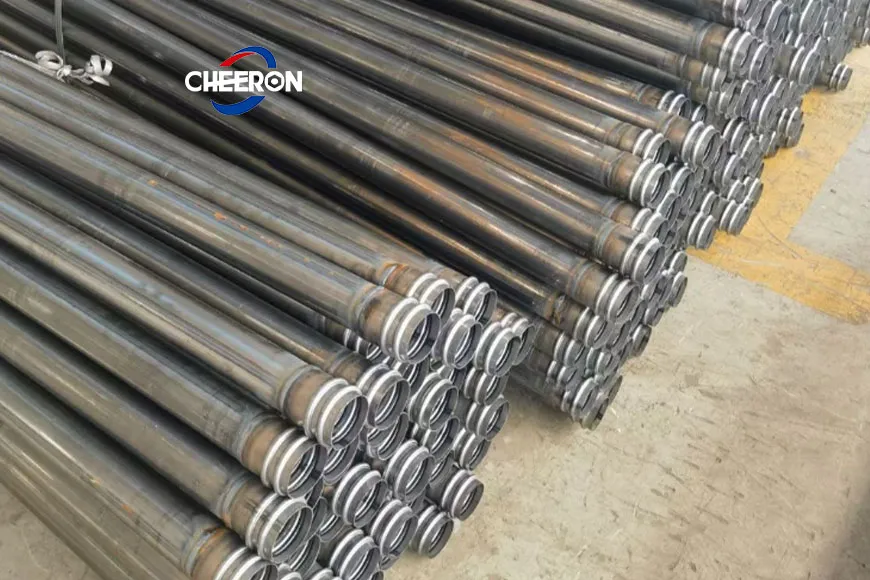
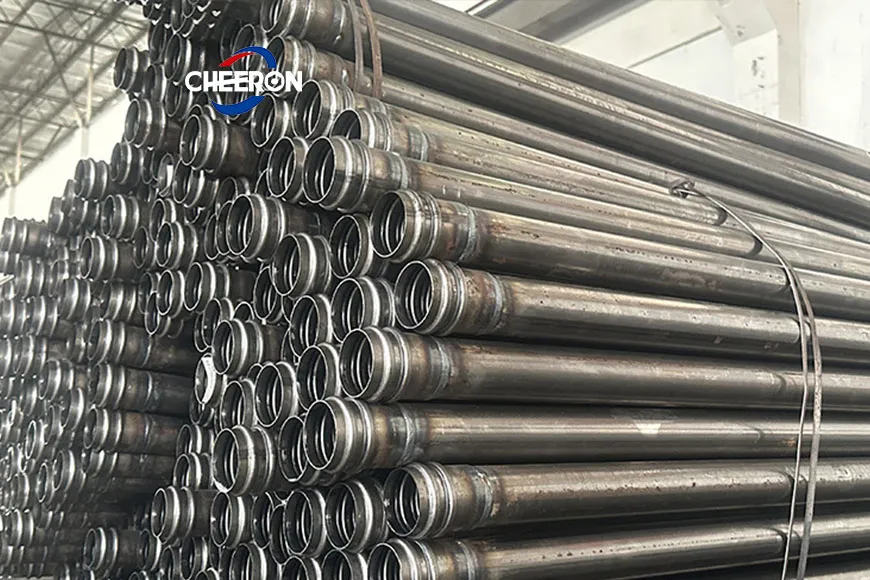
The sleeve-type sonic logging pipe has a sleeve welded to one end of the steel pipe, which is connected by on-site sleeve welding. It is an earlier product among sound detection pipes. Its principle is very simple: a sleeve is welded to the bottom pipe, and the outer diameter of the sleeve should be larger than that of the bottom pipe. Then, the bottom pipe is inserted into the sleeve and sealed by welding.
| Outer Diameter/mm | Wall Thickness/mm | Length/m | Tensile Strength/Mpa | Elongation/% |
| 50 | 1-3 | 3-12 | ≥315 | ≥14 |
| 53 | 1-3 | 3-12 | ||
| 57 | 1-3 | 3-12 | ||
| 60 | 1-3 | 3-12 |
The Q235B steel material ensures excellent acoustic transmittance, corrosion resistance and sealing performance, thereby guaranteeing detection accuracy and long-term durability.
The joints need to be connected by welding. This type of connection has high strength, good resistance to bending deformation, and a good bond with concrete, which will not cause peeling seams between sonic tube in pile and the concrete and affect the test.
It has excellent detection performance. The connection points are sealed and smooth to prevent slurry leakage or the formation of acoustic blind spots, which may interfere with the propagation of sound waves and affect the detection accuracy.

The sleeve-type sonic logging pipe provides a reliable acoustic channel for the integrity inspection of pile foundations.

The sleeve-type sonic logging pipe has excellent safety, extremely strong tensile strength and torque resistance, and is not prone to deformation.

The sleeve-type sonic logging pipe has good sealing performance and is less likely to leak slurry. It is often used in engineering bridge projects.