- En
-
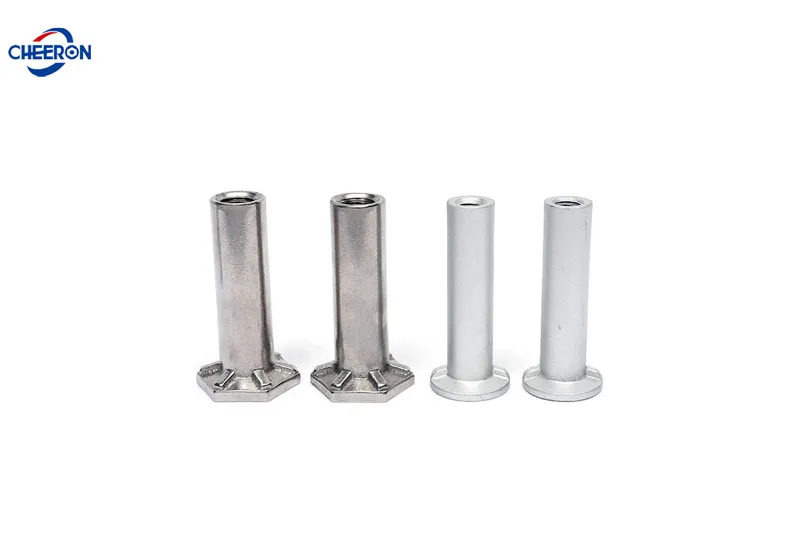
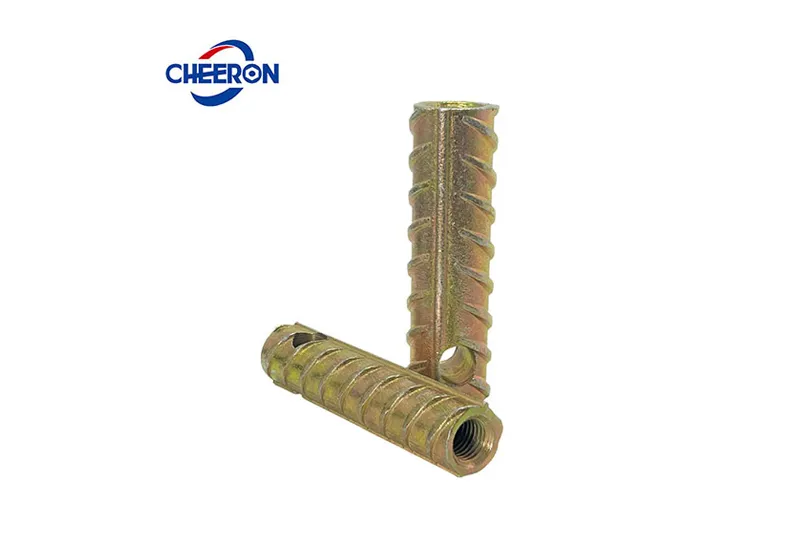
In electrical engineering, the Earthing Bridge is a crucial component of the grounding system, specifically designed for grounding, looping, and equipotential bonding in railway and tunnel applications. Railway grounding (also known as track grounding) is widely used in large-scale projects such as high-speed rail and railways. For example, the reinforced concrete lining of tunnels, retaining walls and buildings, as well as metal structures along railway lines, all require interconnection for electrical bonding.
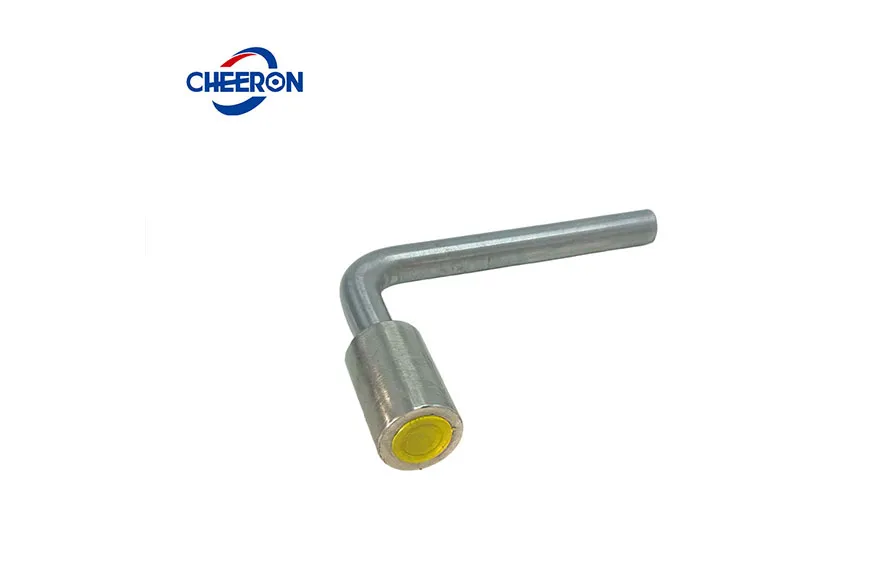
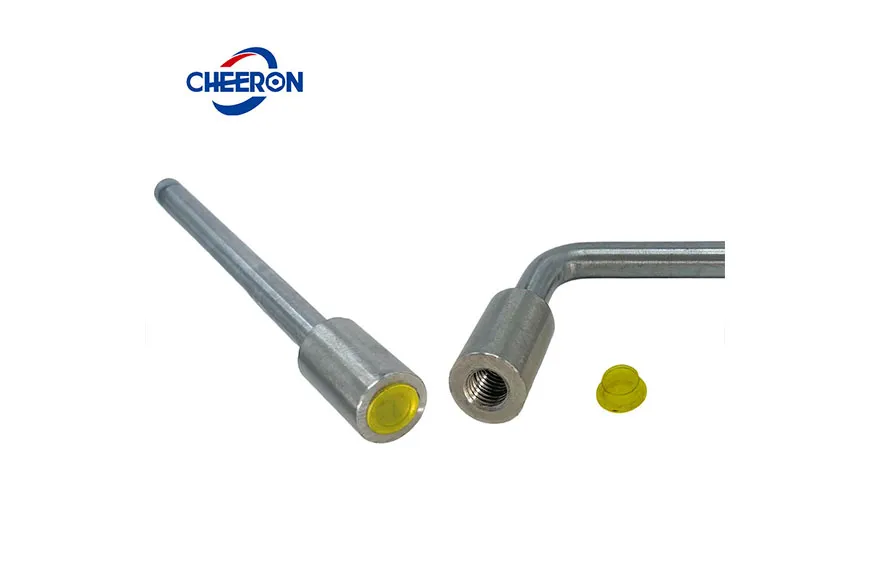
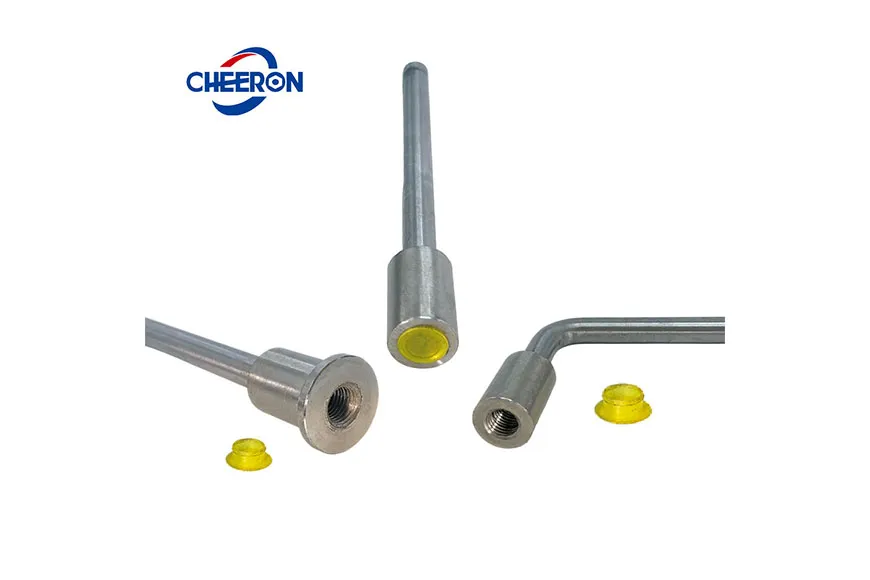
| Model | Length |
| M12-M40 | OEM |
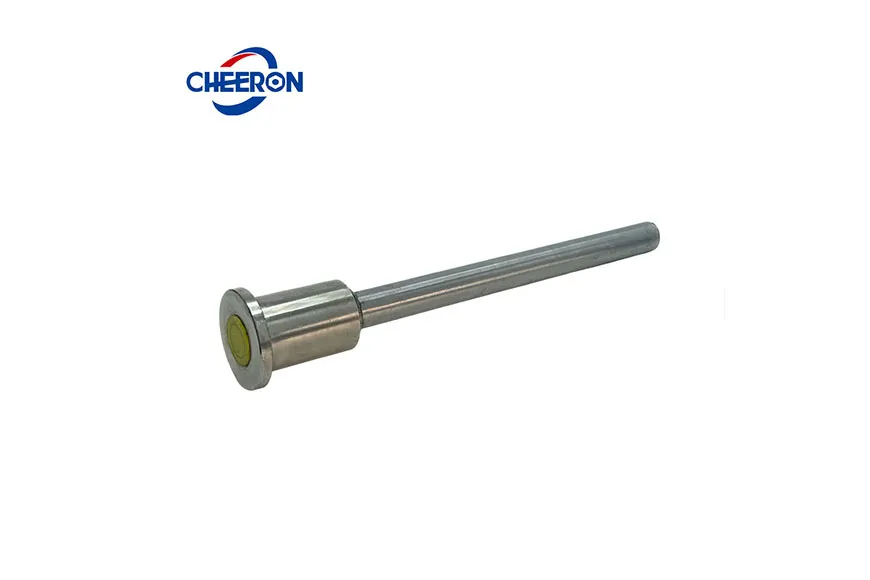
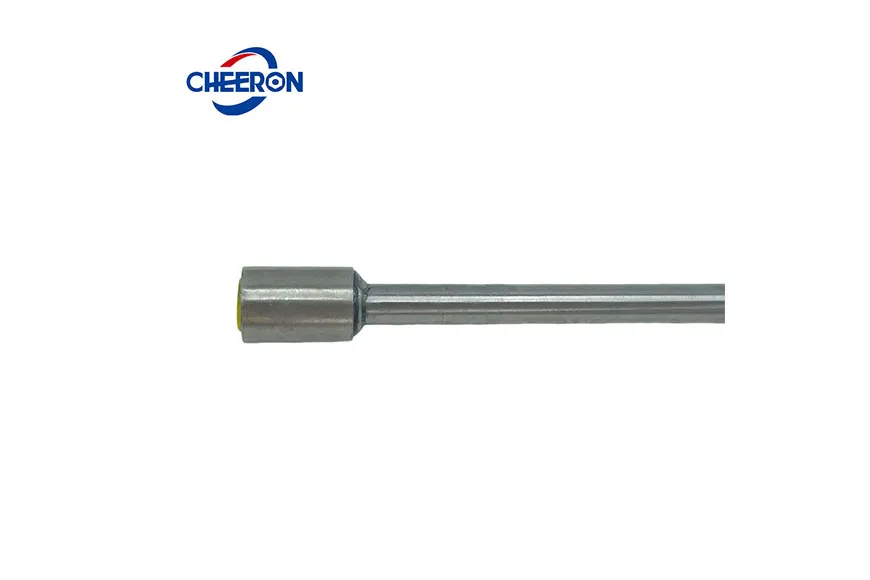
The Earthing Bridge is constructed from high-grade stainless steel, with the following composition: Cr > 16%, Ni 5%, Mo > 2%, C ≤ 0.08%. The terminal hole specification for the Earthing Bridge is M16, and the length of the round steel can be customized according to project requirements.
It is equipped with a plastic protective cap to prevent impurities from covering the copper terminal surface and entering the bolt holes during civil construction, thus affecting conductivity and connection.
Usage and Function: The Earthing Bridge is an essential component of the grounding system, directly embedded in cable trays or other concrete structures, facilitating a reliable connection between the grounding device and the through-ground wire via pre-embedded grounding terminals within the structure.
Cheeron grounding terminals are designed in three types for various common grounding systems:
Type 1 Straight
Type 2 L-shaped
Type 3 Straight with a tray-shaped bottom
Applications: Grounding in tunnels, railways, or other engineering structures, such as protective grounding for contact wire breaks in ballastless track slabs, making full use of the track slab's structural reinforcement and embedding grounding terminals within the structure.