- En
-
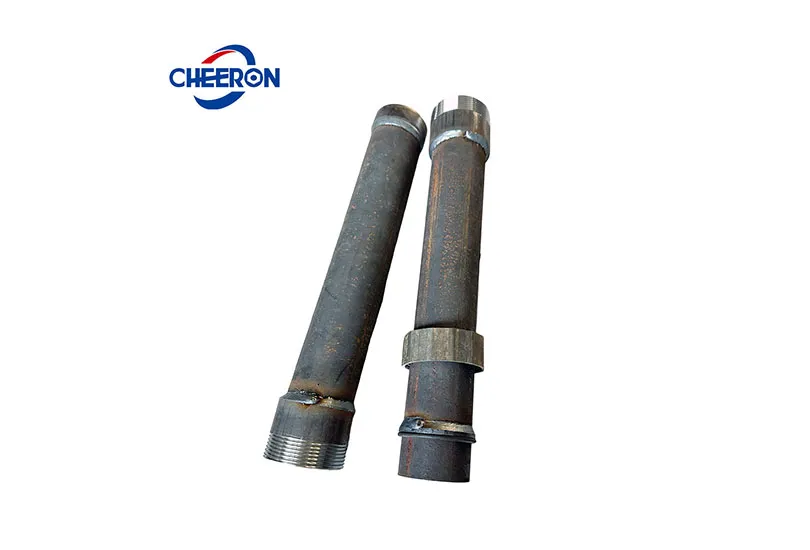
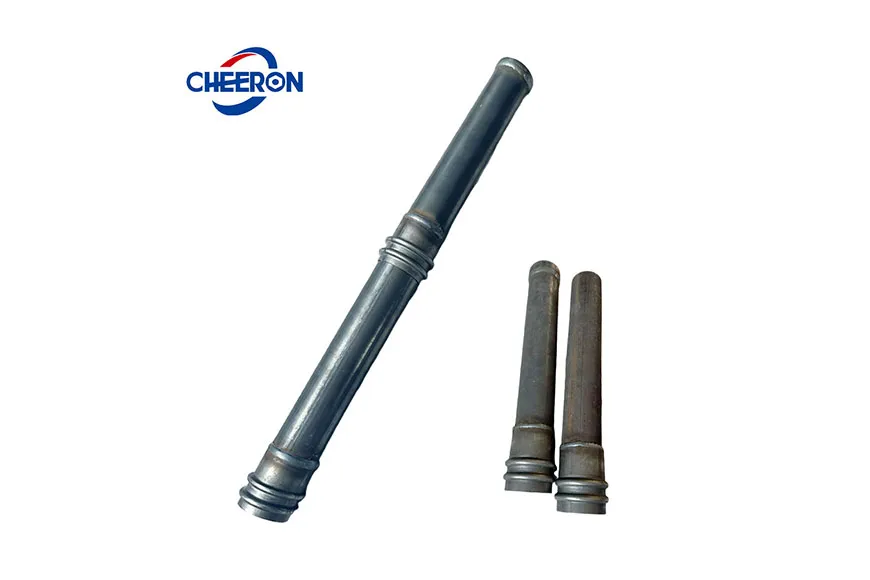
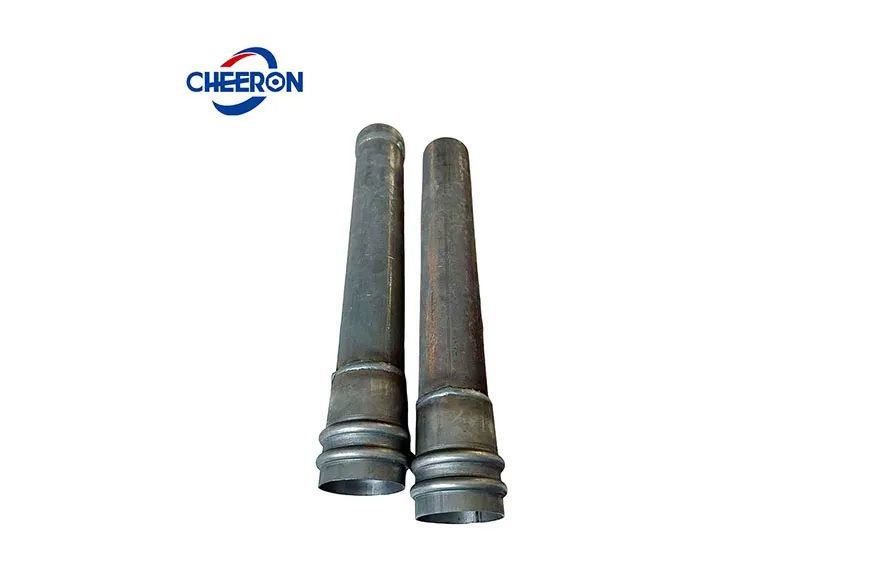
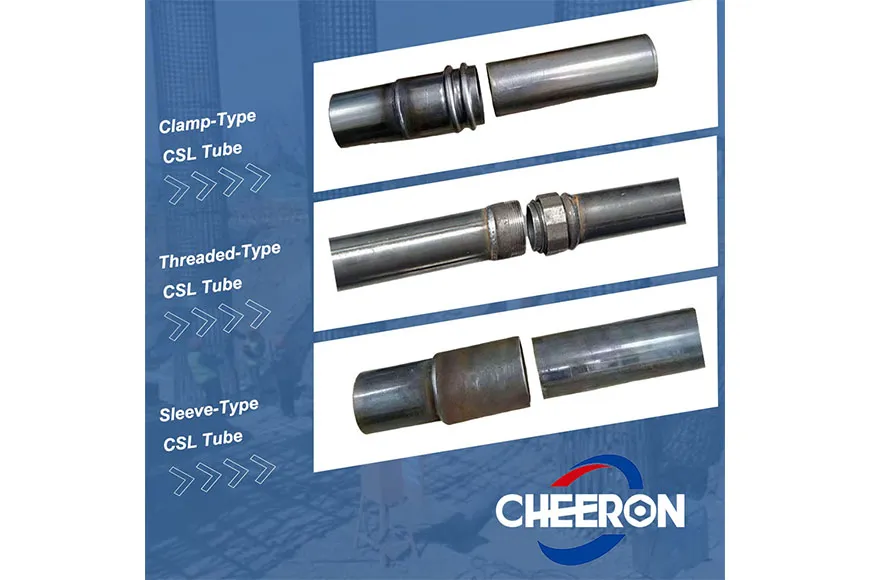
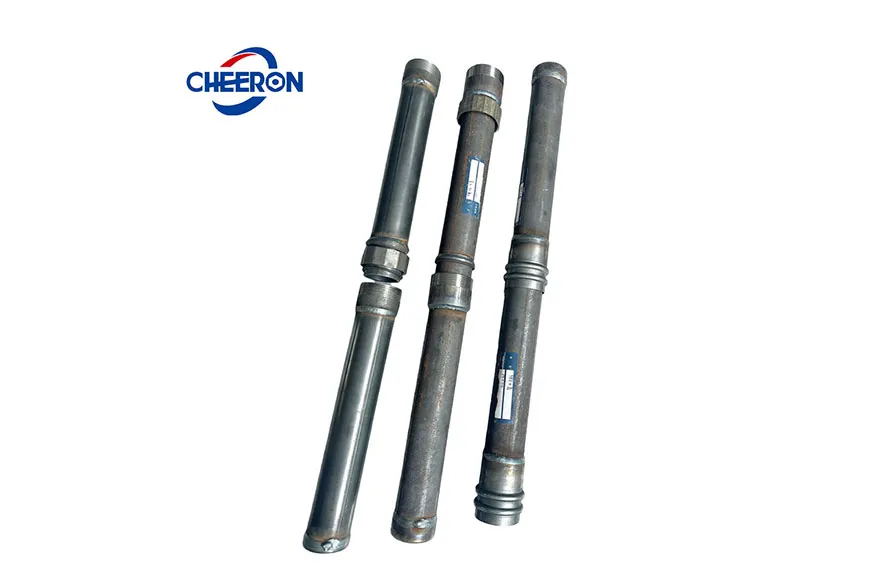
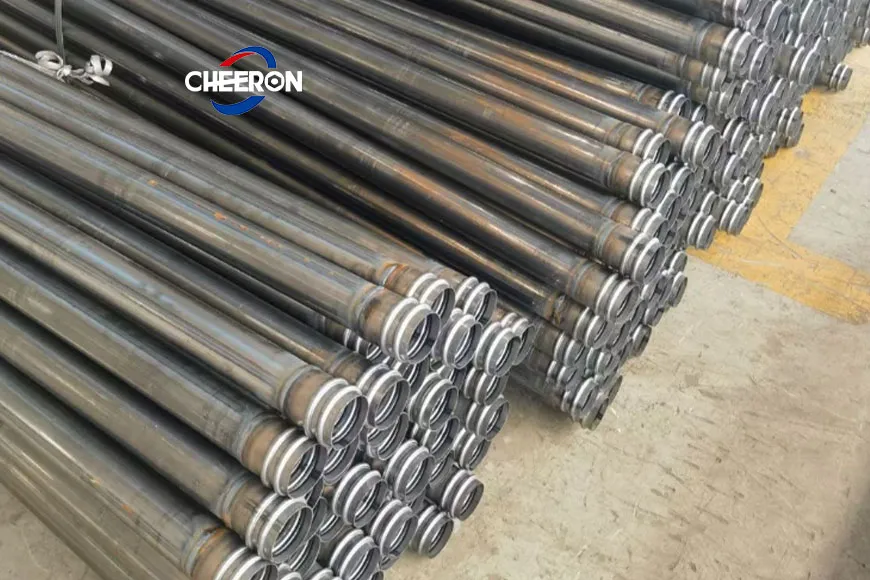
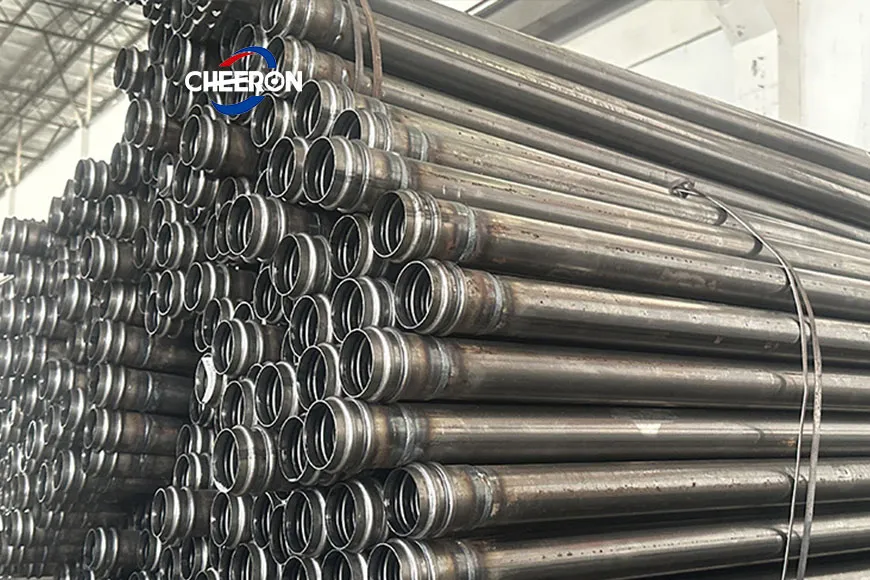
Among the applications of sound detection pipes, the clamp-type sonic logging pipe is the most widely used and easiest to install. The clamp-type sonic logging pipe is designed with two convex grooves at the end of the socket. By using a special hydraulic clamp to squeeze the two convex grooves, the reliable connection of the acoustic detection pipe is effectively achieved. As a new type of connection method, the greatest advantage of the sound detection pipe is that it has relatively high connection strength while reducing costs. It is currently one of the most widely used types of sound detection pipes.
| Outer Diameter/mm | Wall Thickness/mm | Length/m | Tensile Strength/Mpa | Elongation/% |
| 50 | 1-3 | 3-12 | ≥315 | ≥14 |
| 53 | 1-3 | 3-12 | ||
| 57 | 1-3 | 3-12 | ||
| 60 | 1-3 | 3-12 |
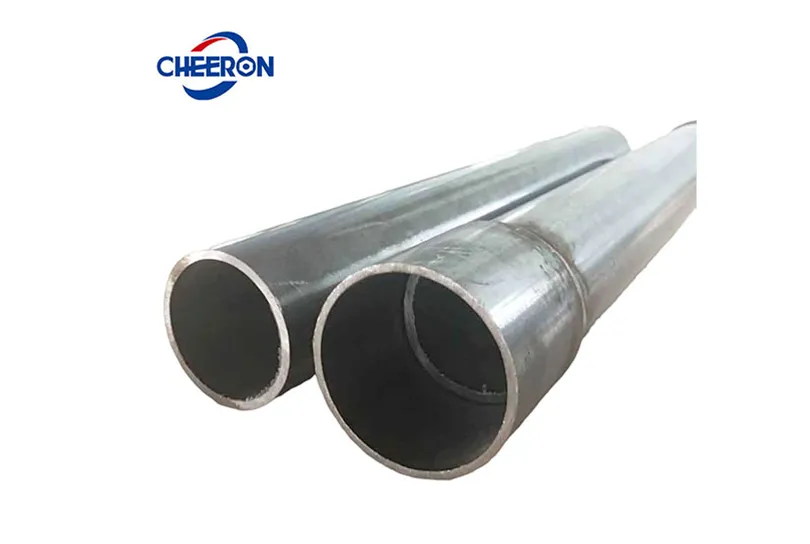
The material of the clamp-on type acoustic detection pipe is high-quality Q235B steel pipe, which has sufficient mechanical strength and can withstand a pulling force of 3000N, ensuring that sonic tube in pile will not deform during the concrete pouring process of the cast-in-place pile.
Double insurance seal
Two convex grooves are designed at the end of the socket, and sealing rings are provided inside the convex grooves. The special hydraulic pliers simultaneously squeeze the two convex grooves. The pipe material at the squeezed part is subjected to force and contracts and deforms. The outer layer of the pipe material between the two convex grooves is deeply embedded in the inner layer of the pipe material, thus effectively achieving the reliable connection of the clamp-pressed acoustic detection pipe.
The rubber sealing ring deforms and fits tightly between the two layers of pipe material after being squeezed, providing an extremely good double insurance sealing effect.
The clamp-on type acoustic detection pipe does not require electricity. Sonic logging pipe is connected with a special hydraulic clamp, which is simple and fast, not restricted by the site, reduces operation costs and increases economic benefits.
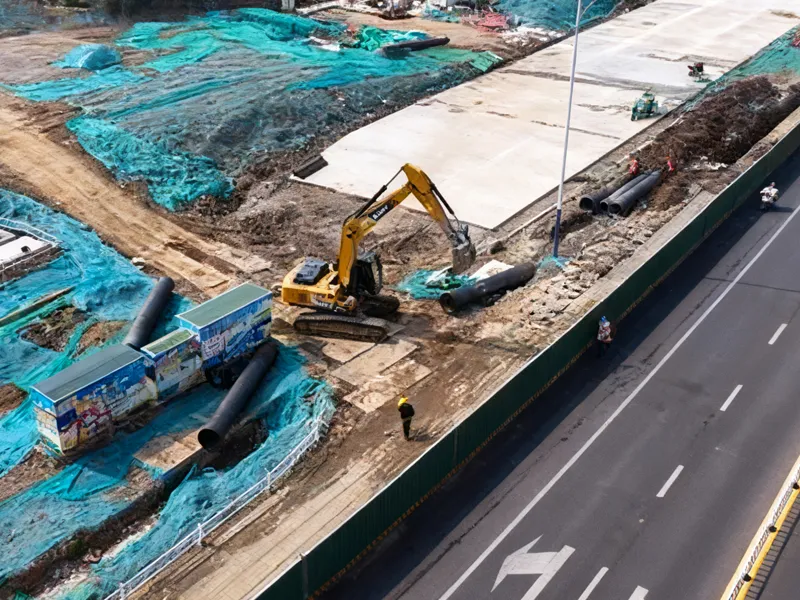
Select high-quality steel to enhance seismic strength and service life.
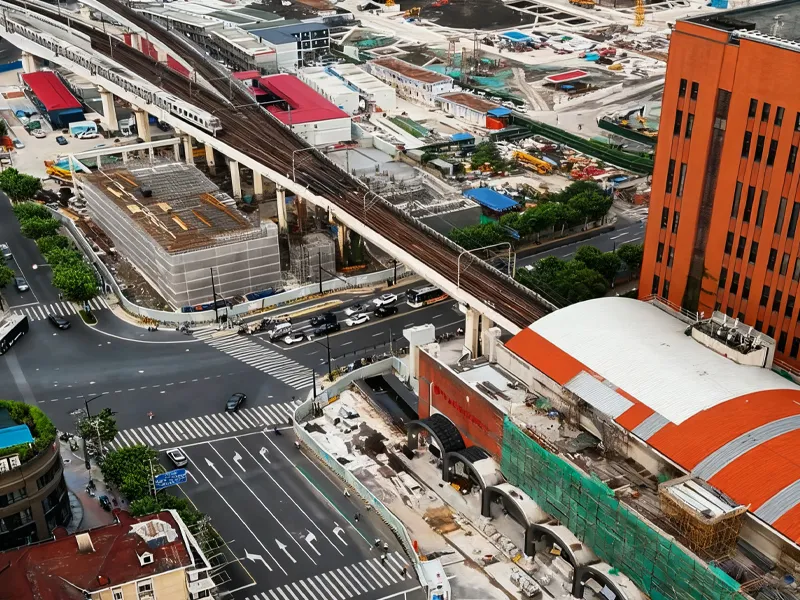
Strong operational skills, easy to install, and improved construction efficiency.
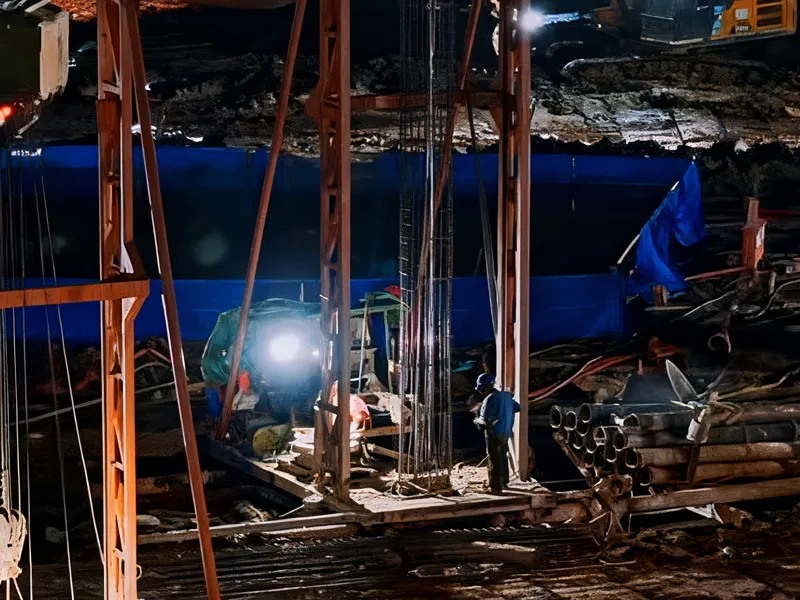
It adopts a double-bearing design, with reinforced interfaces, ensuring stable tensile and torque resistance performance.