- En
-
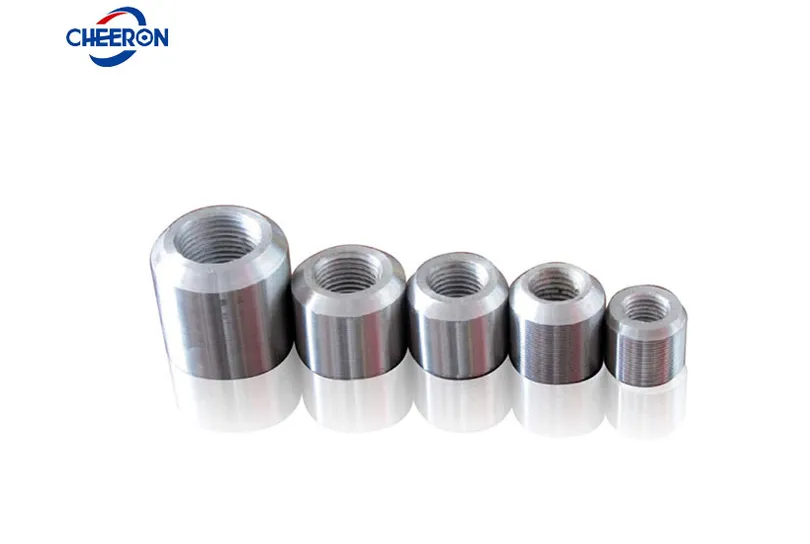
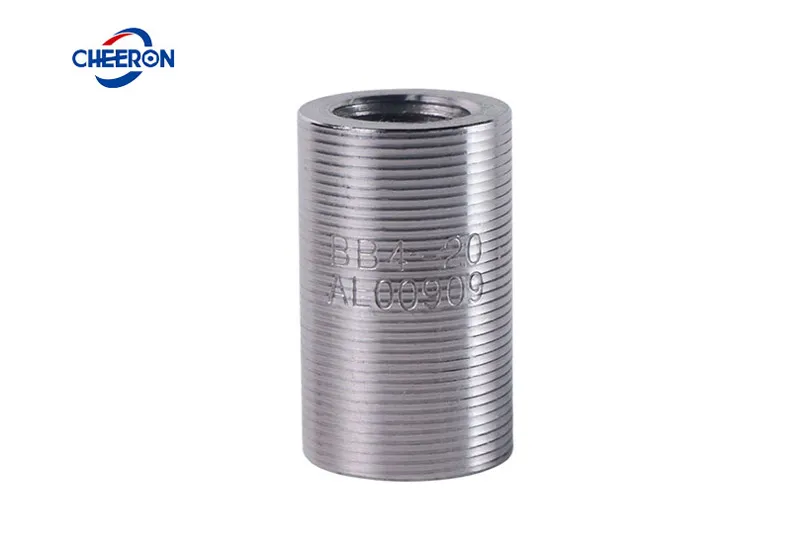
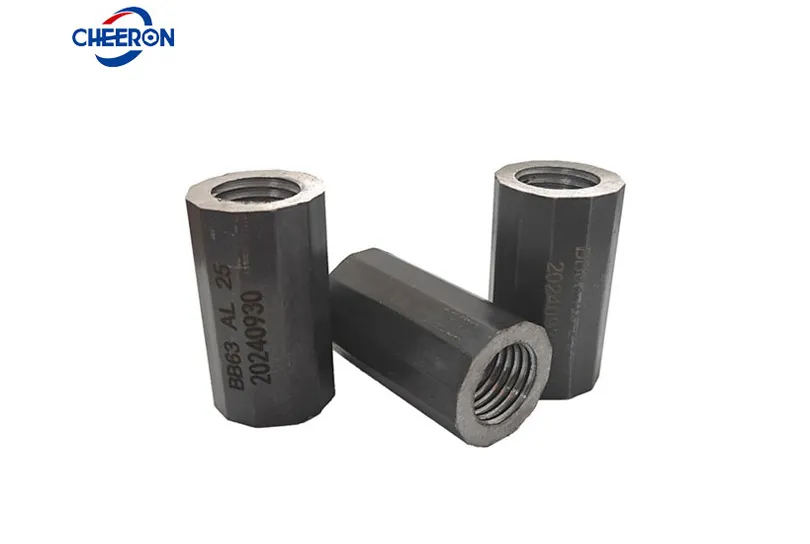
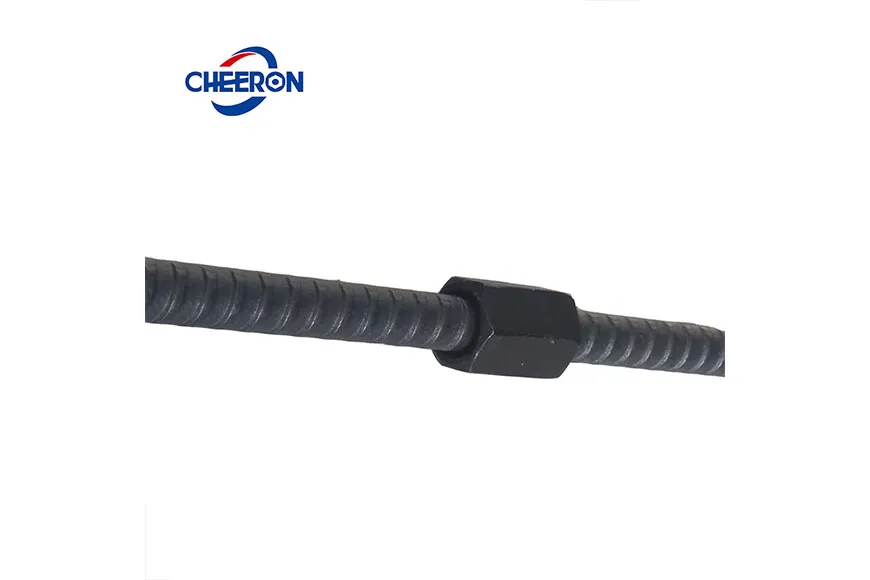
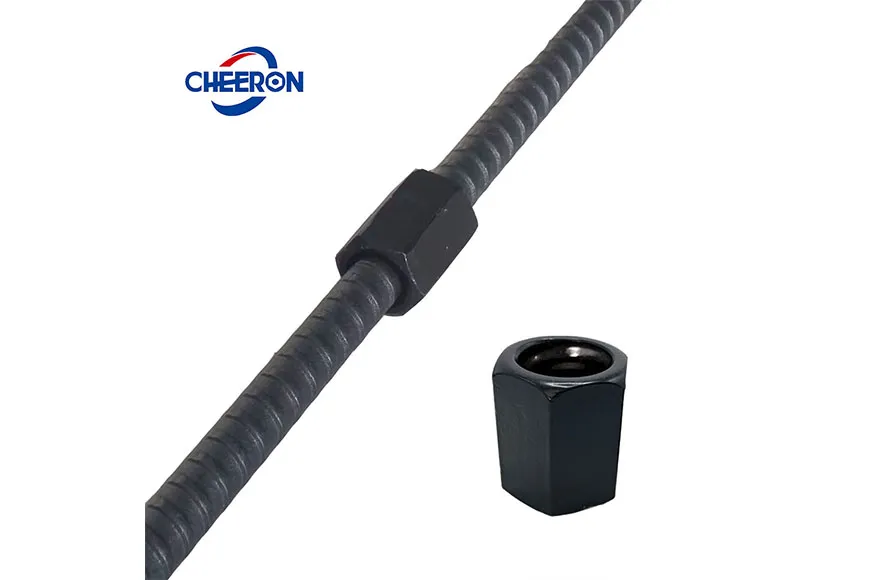
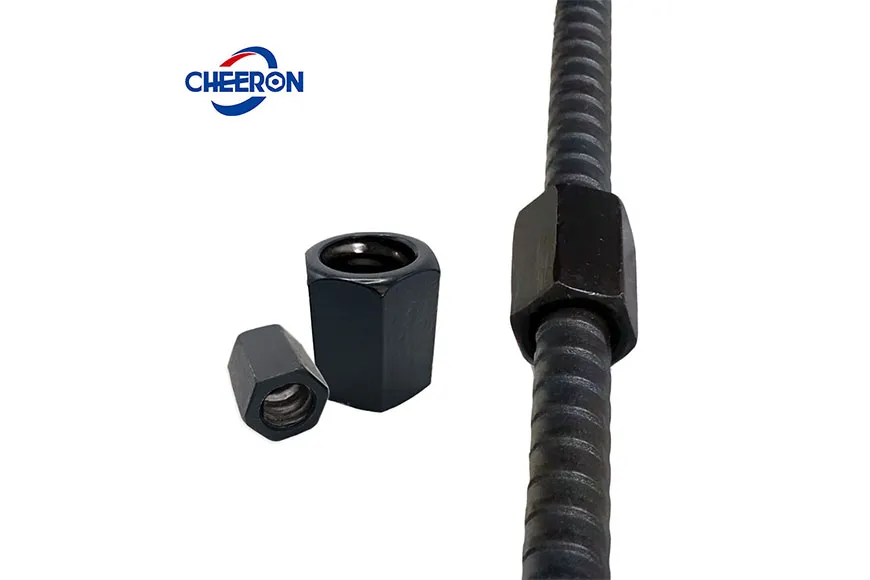
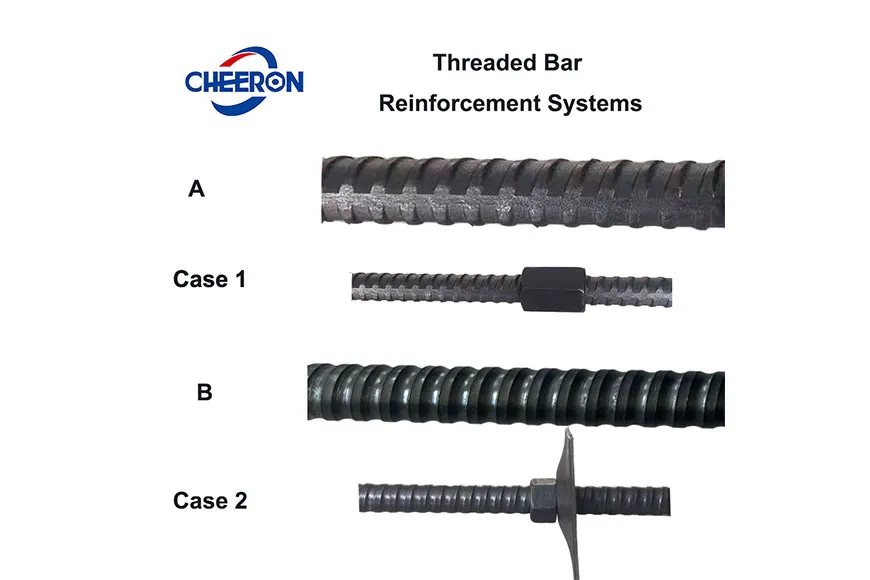
Threaded bar reinforcement is characterized by reinforcing couplers continuous helical rib deformation, which provides equal or even superior bond strength compared to conventional rebar deformation. Furthermore, the threaded bar can be cut at any point along reinforcement coupler entire length without requiring any additional processing. These inherent features make threaded bar couplers exceptionally cost-effective to use. Threaded bar reinforcement connection systems can be easily installed onto the ends of the threaded bars, eliminating the need for bent bars (hooks), machined threads, or welded-on head anchors.
| |||
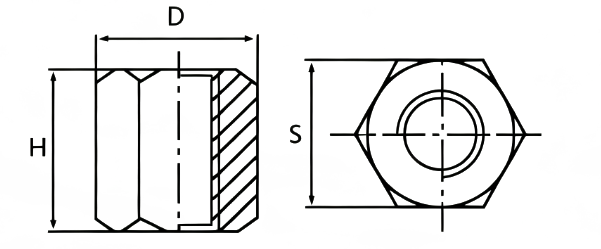
| D/mm | S/mm | H/mm | D/mm |
| 15 | 30 | 50 | 34.5 |
| 15 | 30 | 100 | 34.5 |
| 20 | 32 | 45 | 37 |
| 25 | 50 | 60 | 55 |
| 32 | 65 | 72 | 75 |
| 36 | 65 | 80 | 75 |
| 40 | 70 | 100 | 81 |
| 50 | 80 | 110 | 92 |
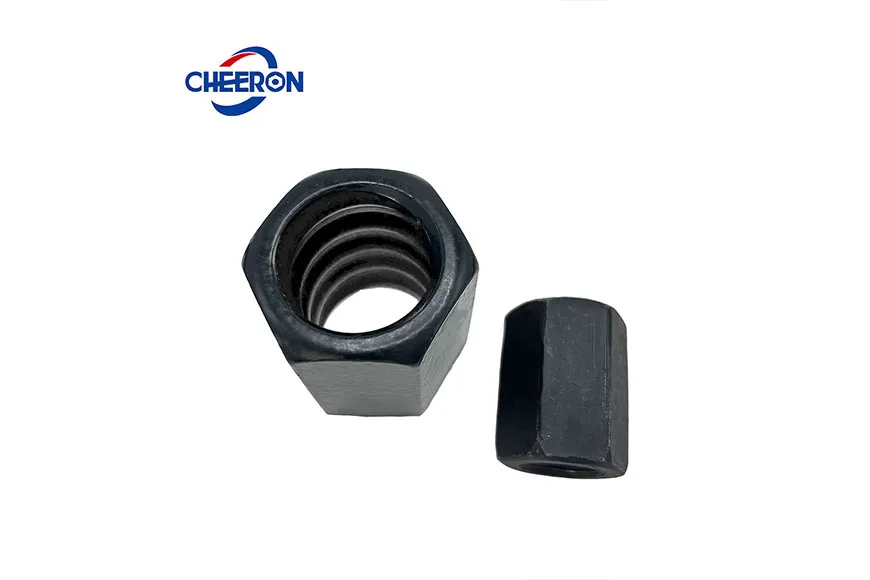
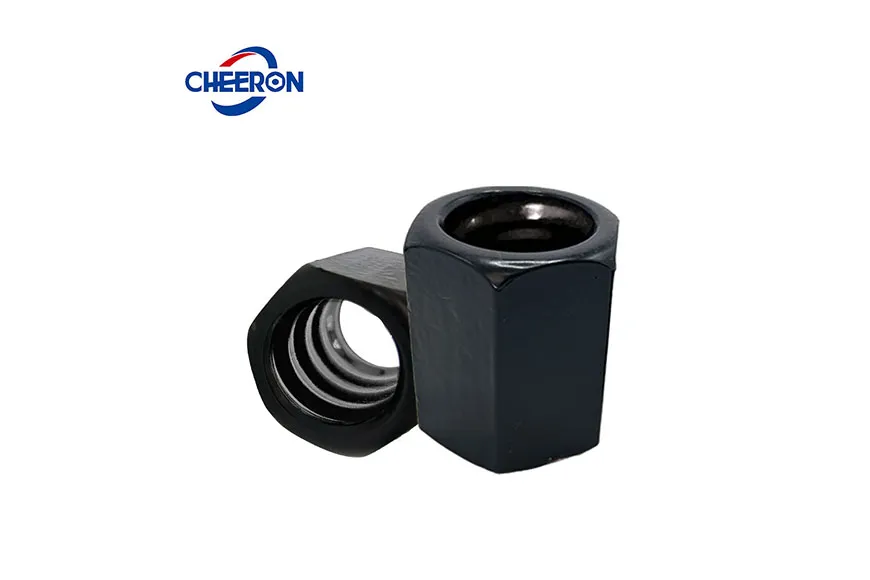
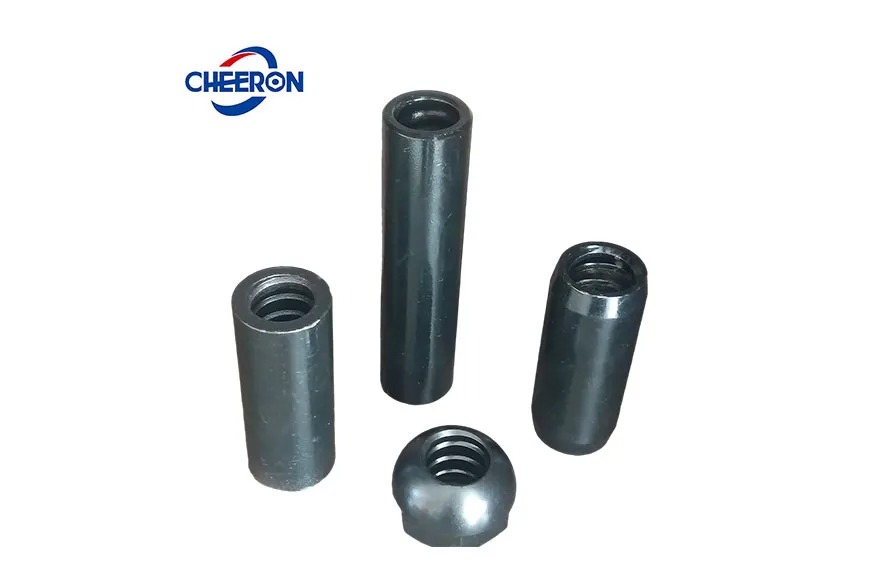
Threaded rebar are designed for connecting and anchoring threaded bar reinforcement. Threaded rebar are engineered to transmit the full tensile rupture load of the threaded bar, ensuring the connection performs identically to continuous, unbroken reinforcement—performance equally guaranteed.
The threaded bar coupler allows the rebar to be cut at any location along its length and connects it to another bar using a metal sleeve. By eliminating the need for lapping, welding, or rebar fabrication, rebar with threaded end can be axially connected directly with Threaded Bar Couplers.
Crucially, the cost of a threaded bar coupler is often less than the material cost of the required lapped splice length it replaces.
Direct thread connection—no special equipment required.

The threaded bar reinforcement systems are designed for the strengthening of building structures, serving as the primary longitudinal reinforcement in columns and shear walls.
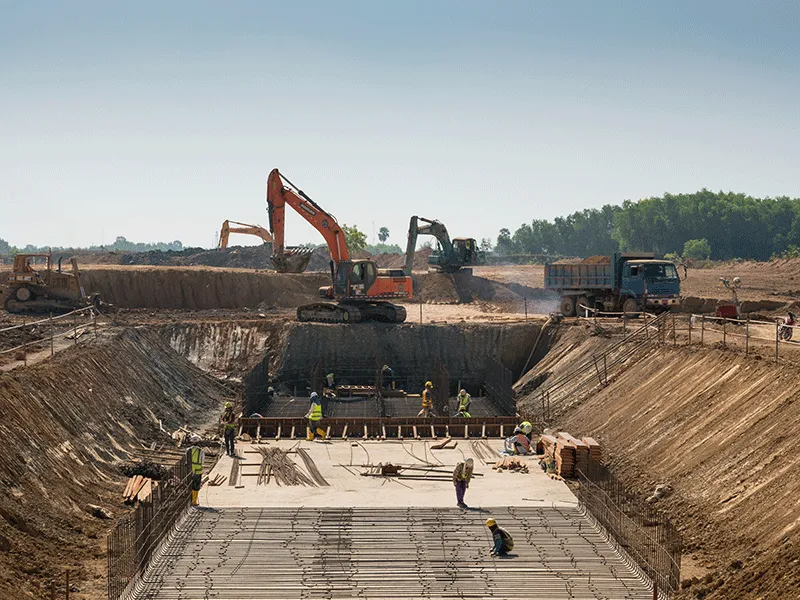
The threaded bar reinforcement systems are primarily utilized in foundation engineering (or substructures). The superior thickness of the threads ensures optimal bond strength (or adhesion) between the rebar and the cement grout.

The threaded bar reinforcement systems can be utilized in prestressed geotechnical engineering applications for slope stabilization (or rock slope stabilization).