- En
-

The sonic logging pipe, also known as the ultrasonic testing pipe, is the channel through which the probe enters the interior of the cast-in-place pile during ultrasonic testing. Since cast-in-place piles cannot provide a relative test surface and borehole detection is not practical, the method of embedding acoustic detection pipes is adopted.
The sound detection tubes are pre-buried in the cast-in-place piles in advance. After the pile foundation is poured, the inspectors insert ultrasonic probes into the sound detection tubes and determine whether there are defects such as broken piles, mud inclusions, and voids in the pile body based on the speed and waveform of sound wave propagation.
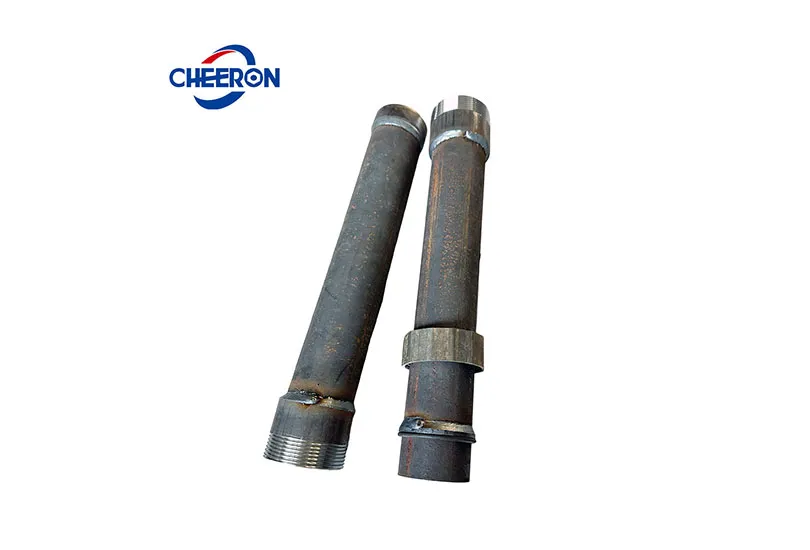
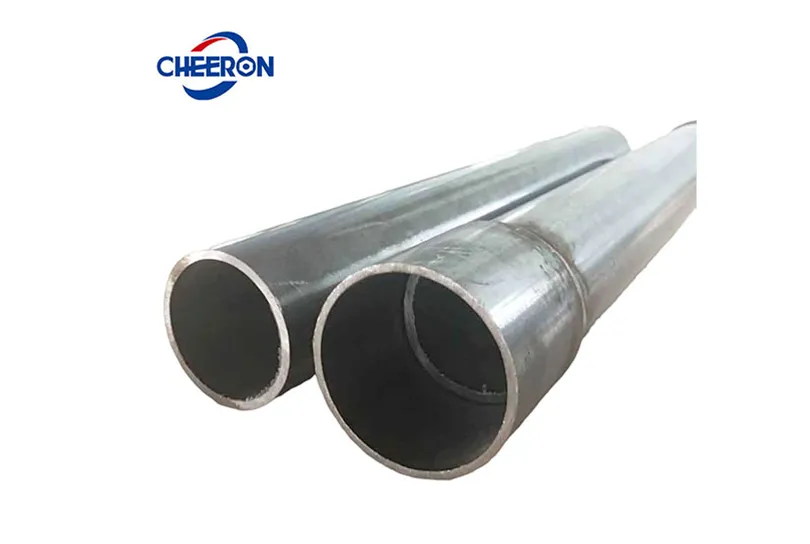
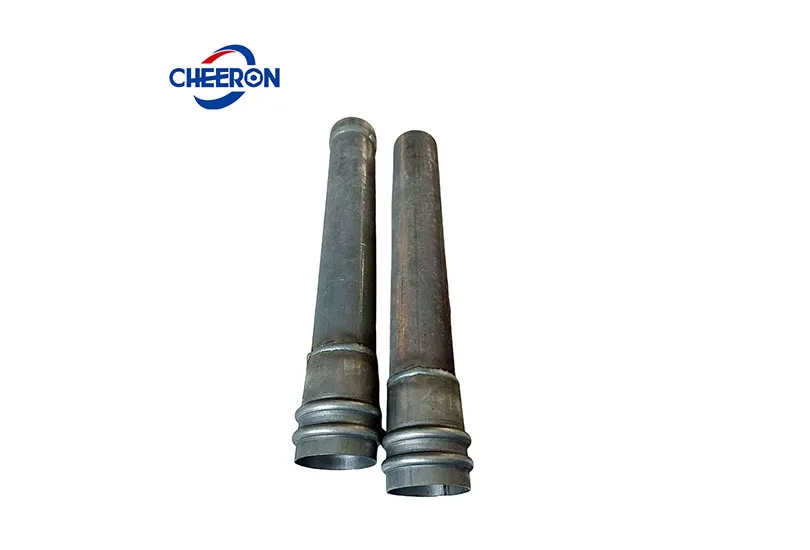
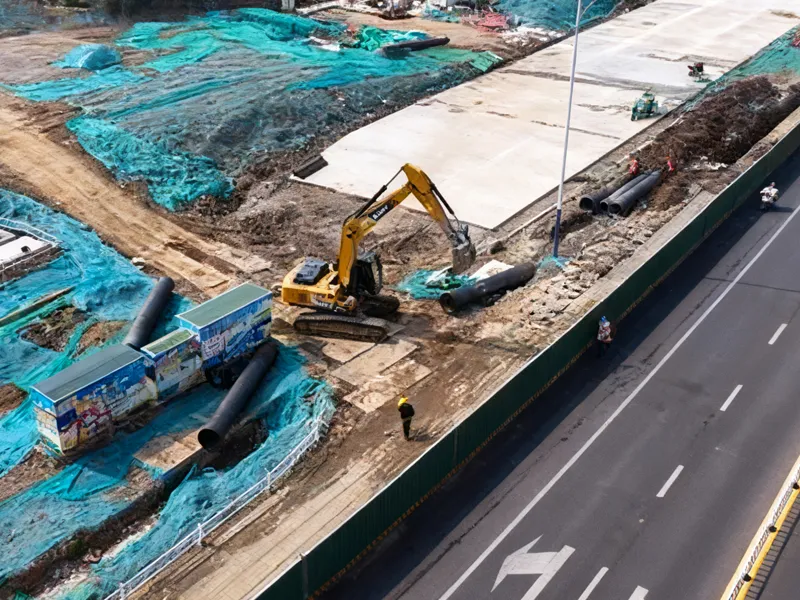
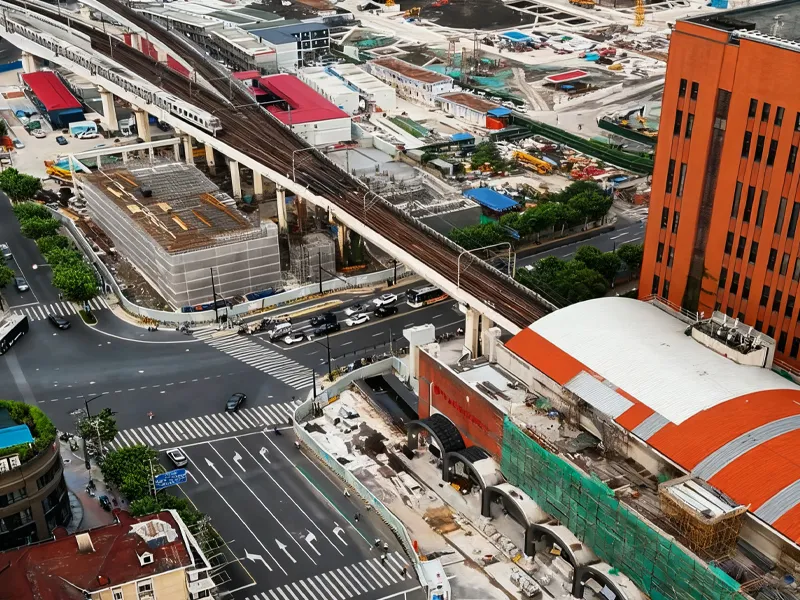
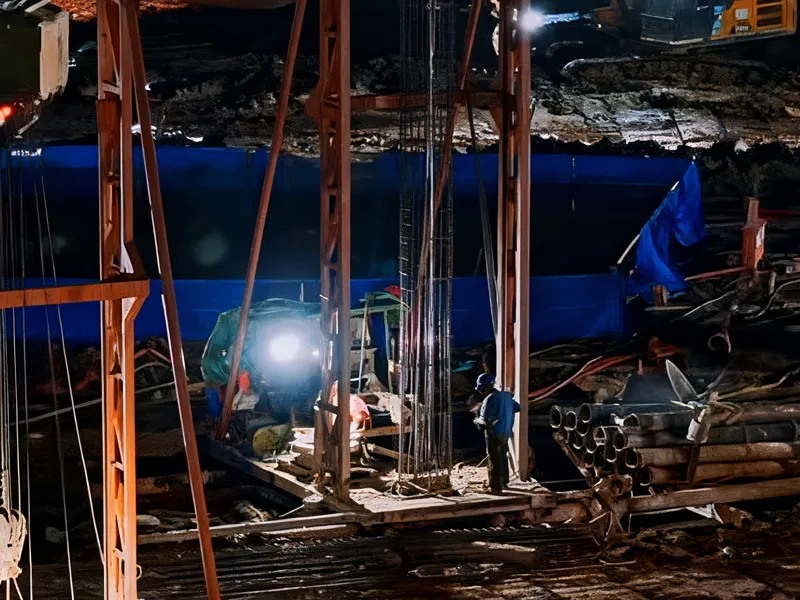
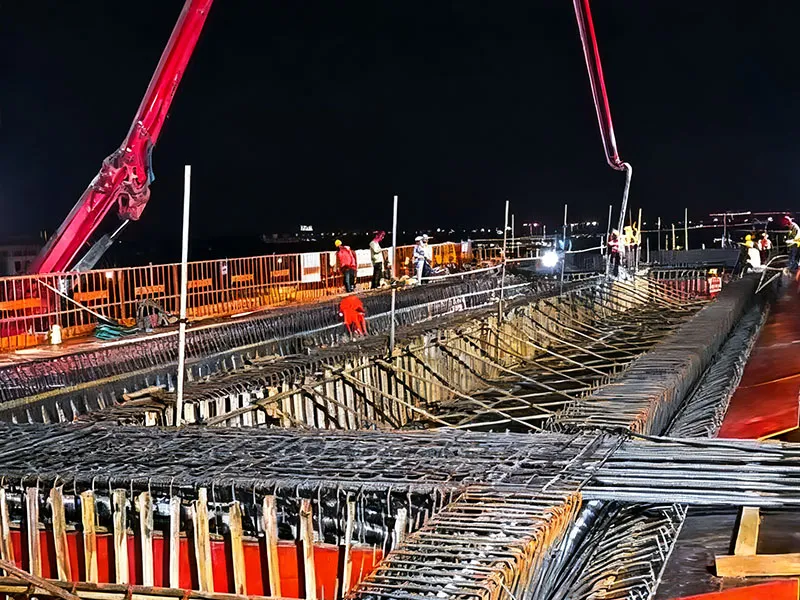

Sonic tube has reliable acoustic path for pile integrity, especially large piles.

Sonic pipe judge pile defects via sound speed and waveform.

Sonic tube grouting pipe boosts pile bearing capacity greatly.

Sonic logging pipe is convenient, fast, safe and reliable, reducing manufacturing costs.

Sonic tube in pile has reduced the on-site welding workload and improved the construction efficiency.

Sonic pipe in pile is made of high-quality Q235B steel, with a tensile strength (MP) of ≥315MP and a tensile test (elongation) of ≥14%, capable of withstanding a tensile force of 3000N.

Sonic logging pipe customization is supported. The outer diameter and wall thickness of the sound detection tube can be customized according to the project requirements.

Economical and efficient, cheeron, as a professional manufacturer of sound detection tubes, effectively reduces production costs and maintains high production capacity.
Sonic logging pipes are used to assess the integrity of concrete pile foundations through ultrasonic testing technology. Sonic logging pipe can identify defects such as cracks, voids or inclusions in the pile body. As an important component of the ultrasonic detection system, sonic tube ensures the quality and safety of the project.
Our company's sonic logging pipes are mainly made of Q235B steel pipes, with wall thickness typically ranging from 0.8 to 3.5 millimeters, depending on the pile diameter and design requirements.
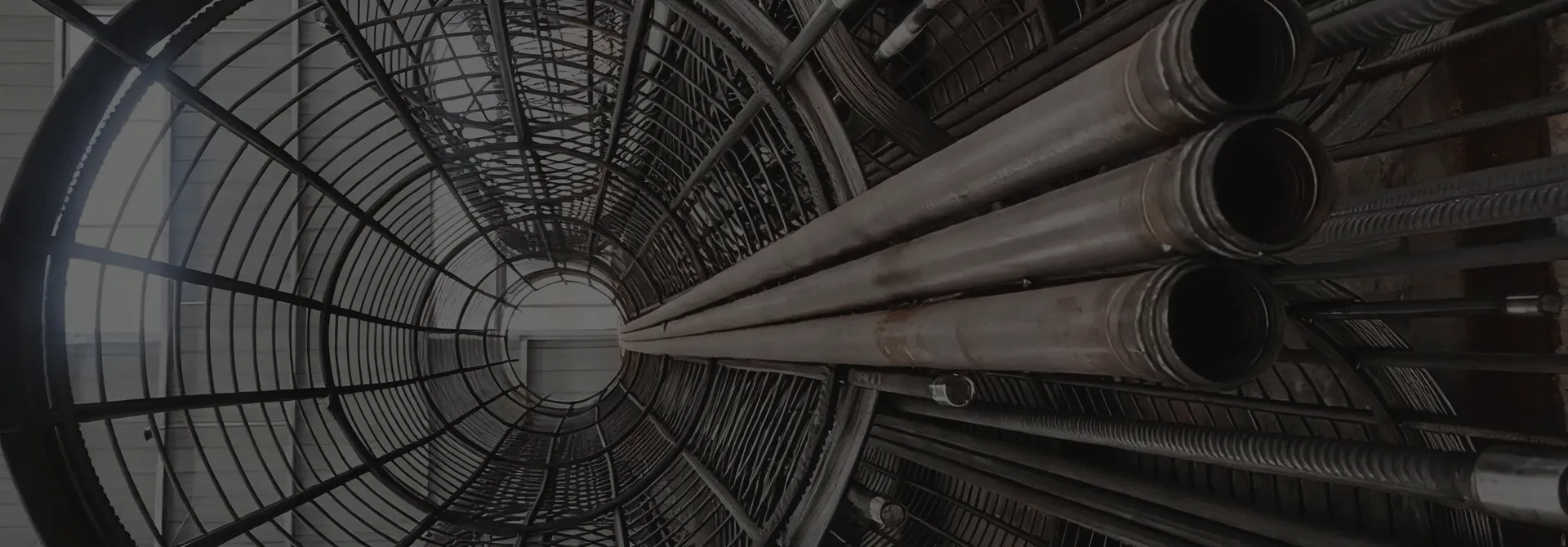
The sound detection pipes need to be pre-buried in the cast-in-place piles. Usually, the sound detection pipes are fixed on the inner side of the vertical bars of the steel cage frame and sunk into the pile holes section by section along with the steel cage, and then concrete is poured.