Installing a self drilling rock bolt in weak ground requires careful control of drilling parameters, grouting performance, and installation quality. The key to achieving reliable ground reinforcement is selecting the correct bolt type, maintaining stable drilling operations, ensuring complete grout coverage, and verifying the installed system through quality inspections.
For unstable formations such as loose soil, fractured rock, sand, gravel layers, and weathered rock, self drilling rock bolts provide an efficient solution because drilling, anchoring, and grouting can be completed through a single installation system. However, improper installation can lead to insufficient anchorage, grout voids, or reduced load capacity.
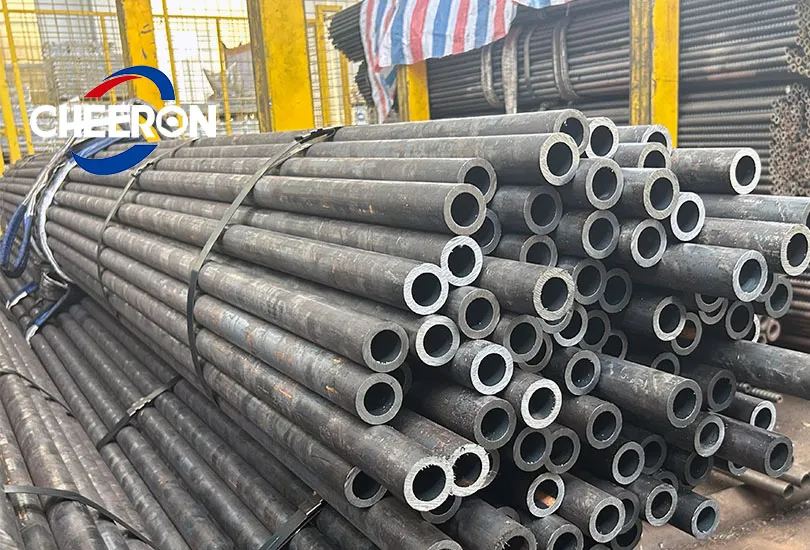
A self drilling rock bolt is a hollow steel thread bar system that performs drilling, reinforcement, and grouting functions simultaneously. The hollow bar acts as both the drill rod and the permanent anchor element.
In weak ground conditions, traditional drilling methods may cause borehole collapse before reinforcement installation. Self-drilling systems overcome this challenge because the anchor is installed immediately during drilling.
Typical applications include:
Slope stabilization
Tunnel support
Foundation reinforcement
Excavation support
Mining ground reinforcement
Ground improvement projects
The main advantage of self drilling rock bolts is their ability to provide immediate support in unstable ground where conventional anchor installation may be difficult.
A standard installation process includes:
Selecting the correct anchor system
Drilling with the hollow bar and drill bit
Flushing drilling debris
Injecting grout through the hollow bar
Conducting quality inspection and load verification
Unlike conventional anchor bolts, the self-drilling system does not require separate casing installation in most weak ground conditions, reducing installation time and improving construction efficiency.
The drilling method depends on ground conditions, anchor diameter, and project requirements.
Common drilling methods include:
Suitable for:
Soft rock
Weathered formations
Soil-rock mixed layers
Rotary drilling provides controlled penetration and reduces disturbance in sensitive ground.
Commonly used for:
Hard rock layers
Fractured rock
Deep anchoring applications
The combined rotation and impact force improves drilling efficiency in difficult formations.
Flushing removes drilling cuttings and keeps the borehole clean. Proper flushing helps:
Improve drilling performance
Reduce blockage
Enhance grout bonding
The selected flushing method should match the ground conditions to avoid excessive erosion or ground instability.
The selection of self drilling rock bolts depends on:
Ground strength
Required anchoring capacity
Borehole diameter
Installation depth
Corrosion protection requirements
Common hollow bar sizes include R25, R32, R38, R51, and larger systems.
For loose soil and highly fractured ground, contractors often choose larger diameter systems with higher tensile capacity. Smaller systems may be suitable for temporary support or lighter reinforcement applications.
The correct anchor selection should consider both immediate construction requirements and long-term structural performance.

Grouting is a critical step because it transfers load between the anchor and surrounding ground.
During installation, grout is pumped through the hollow center of the anchor bar and exits through openings near the drill bit. This creates a grout column around the anchor.
A proper grouting process should ensure:
Complete filling of the borehole
Good bonding between grout and ground
No significant voids
Stable anchorage performance
Common grout materials include cement-based mixtures with controlled water-cement ratios and additives designed for specific ground conditions.
Grouting pressure depends on ground conditions, anchor design, and project specifications.
Excessive pressure may cause:
Ground disturbance
Grout loss into surrounding voids
Surface leakage
Insufficient pressure may result in:
Incomplete grout coverage
Reduced bond strength
Lower anchoring performance
Experienced contractors adjust grouting pressure according to geological conditions and monitor grout consumption during installation.
Quality control should cover every stage of installation, from material inspection to final testing.
Before installation, check:
Hollow bar specifications
Thread quality
Drill bit condition
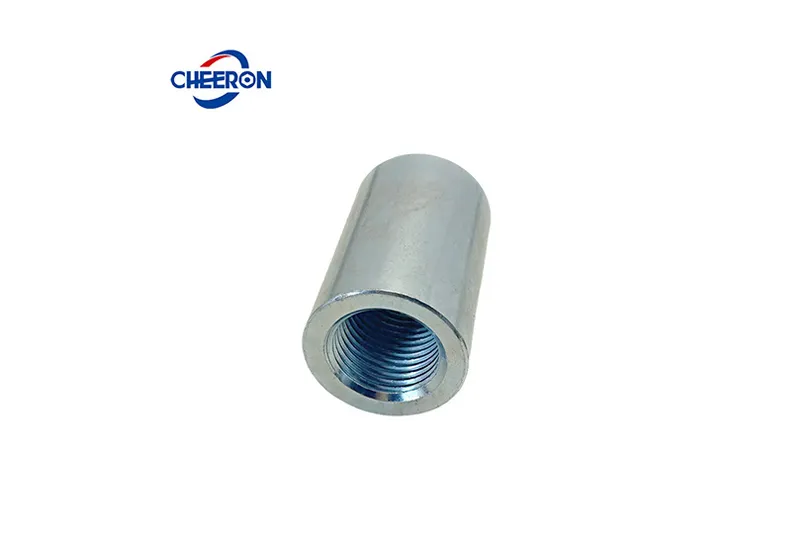
Coupler quality
Material certificates
Damaged threads or incorrect components can affect the connection strength of the system.
Monitor:
Drilling depth
Drilling angle
Penetration rate
Flushing performance
Incorrect drilling angles may reduce reinforcement efficiency and affect structural stability.
Record:
Grout mix ratio
Injection pressure
Grout volume
Grouting duration
These records help confirm that the anchor has achieved the required installation quality.
Depending on project requirements, verification may include:
Pull-out tests
Proof load tests
Performance testing
Testing confirms that the installed self drilling anchor bolt meets the required design capacity.
Several installation issues can reduce anchor performance:
Cause:
Extremely weak ground
Delayed reinforcement installation
Solution:
Self-drilling systems provide immediate reinforcement during drilling.
Cause:
Incorrect grout pressure
Blocked injection path
Poor grout mixture
Solution:
Monitor grout flow and maintain proper injection procedures.
Cause:
Poor drilling control
Inaccurate positioning
Solution:
Use drilling guides and check installation alignment.
Cause:
Poor ground bonding
Incomplete grout coverage
Incorrect anchor selection
Solution:
Review drilling and grouting parameters and perform testing.
Construction teams can improve efficiency by:
Selecting suitable self drilling rock bolts for geological conditions
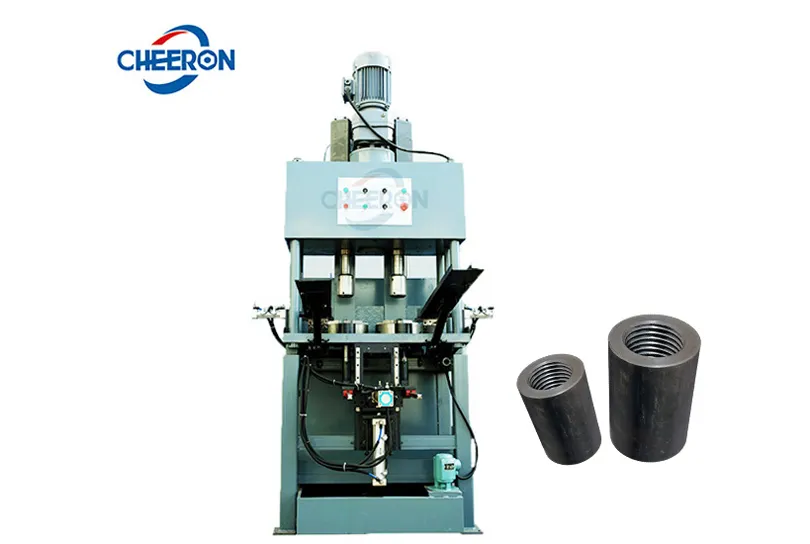
Using high-quality drilling equipment
Training operators in installation procedures
Monitoring grout consumption
Maintaining accurate installation records
A complete installation management system reduces delays, improves safety, and ensures consistent reinforcement performance.
Successful installation of a self drilling rock bolt in weak ground depends on three essential factors: controlled drilling, effective grouting, and strict quality control. Because these anchors combine drilling and reinforcement functions, they provide an efficient solution for unstable geological conditions.
By selecting the correct anchor specification, controlling installation parameters, and performing proper inspection, contractors can achieve reliable ground stabilization for tunnels, slopes, excavations, and foundation projects.
They provide immediate reinforcement while drilling, reducing the risk of borehole collapse.
The hollow bar drills the hole, remains as the anchor, and delivers grout through its center.
Cement-based grout is commonly used, with the mix adjusted according to project requirements.
Quality is verified through installation records, inspections, and pull-out or load tests when required.
Ground conditions, anchor size, drilling quality, grout performance, and installation accuracy all affect capacity.